What’s Happening in February

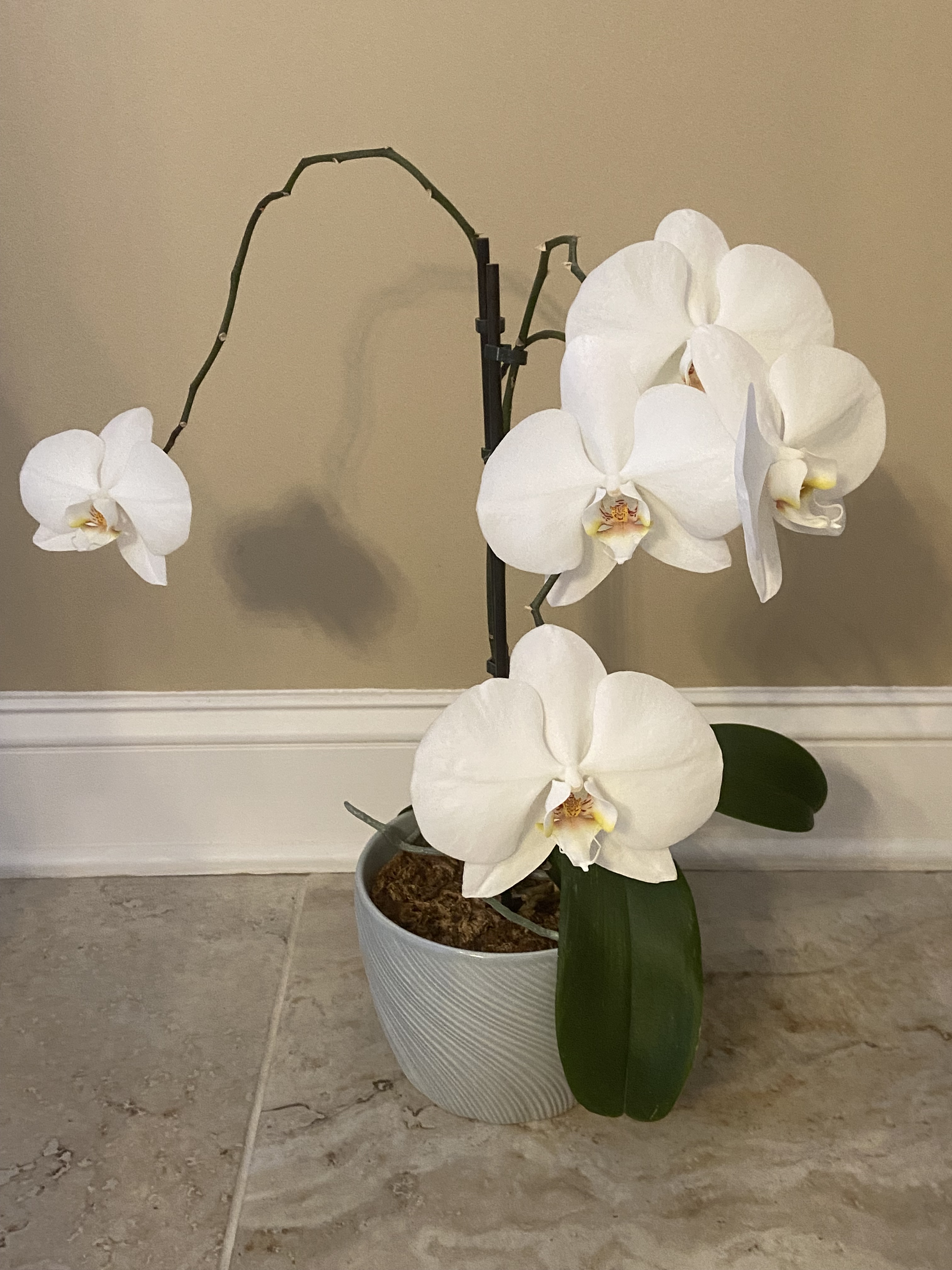
Yesterday marked my 49th wedding anniversary. Flowers from the husband greeted me as I entered the kitchen for my morning coffee.

What with my anniversary and Valentine’s Day, I get spoiled in February. I just enjoyed a box of assorted chocolates a couple of weeks ago–except for those with the cream centers, which my sweet husband volunteered to eat. (Note: I left him four or five, but he’d eaten all but one before I could take this picture.)

February hasn’t been all candy and flowers, though. Cold weather has kept me inside, so I’ve used the time to clean out my dresser drawers. One junk drawer in a bedroom should be enough, I decided, not the several I had.

See these two small wicker baskets full of coins that were in the drawer? What’s interesting to me is the number of pennies in each. I plan to hoard them since I recently wasn’t given the three cents due me in change at Dollar General.

Is this the new norm? Should I keep a record of when I don’t get my change back in pennies so that once it adds up to a nickel I can ask for that? Would the cashier have let me leave owing the Dollar General three cents?

Not a budget buster, of course, but something to ponder….

How are your daffodils looking this year? I think the January/February ice and snow storms, unusual for where I live, did a number on mine. So far, they’re not blooming nearly as well as last year, and the flowers aren’t standing at attention as they usually do.

I have a friend who says she talks to her daffodils, warning them that if they bend over, she’s going to cut them and bring them in the house. They’ll end their lives in a vase! I guess I need to get out my scissors.

“You never know where the church van will take you.” That’s a quote from my Methodist minister, who’s talking about day trips taken by a group of us retirees named the Lamplighters. This month, we visited the North Carolina Museum of Art in Raleigh to see an exhibition called “The Story of Esther.” As you may know, Queen Esther saved her people, the Jews, from annihilation in ancient Persia.

If you’ve never read the book of Esther in the Old Testament, I encourage you to do so. It’s only ten chapters and a great story, full of intrigue and plot twists. The Jewish festival of Purim is based on the story of Esther.

The drawing card of the Raleigh exhibition is a painting by Rembrandt, titled “A Jewish Heroine from the Hebrew Bible.” Though Rembrandt doesn’t explicitly say the subject of his work is Esther, it’s widely believed that here he’s portraying her as she gets ready to go before her husband, King Ahasuerus, to set in motion a plan to save the Jews.

Jan van Steen, a contemporary of Rembrandt, also painted scenes from the story of Esther. “The Wrath of Ahasuerus” depicts the undoing of the villain Haman.

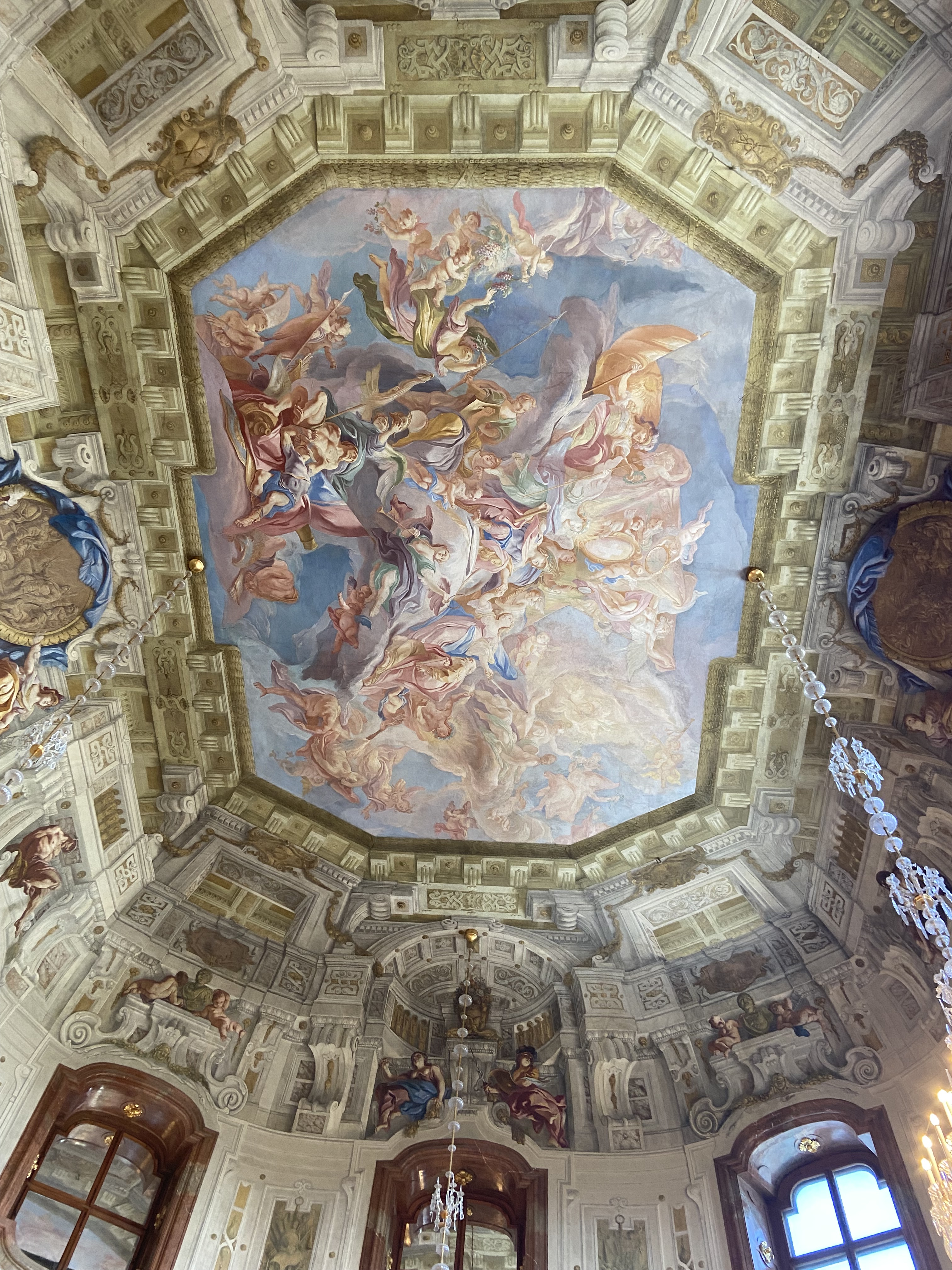
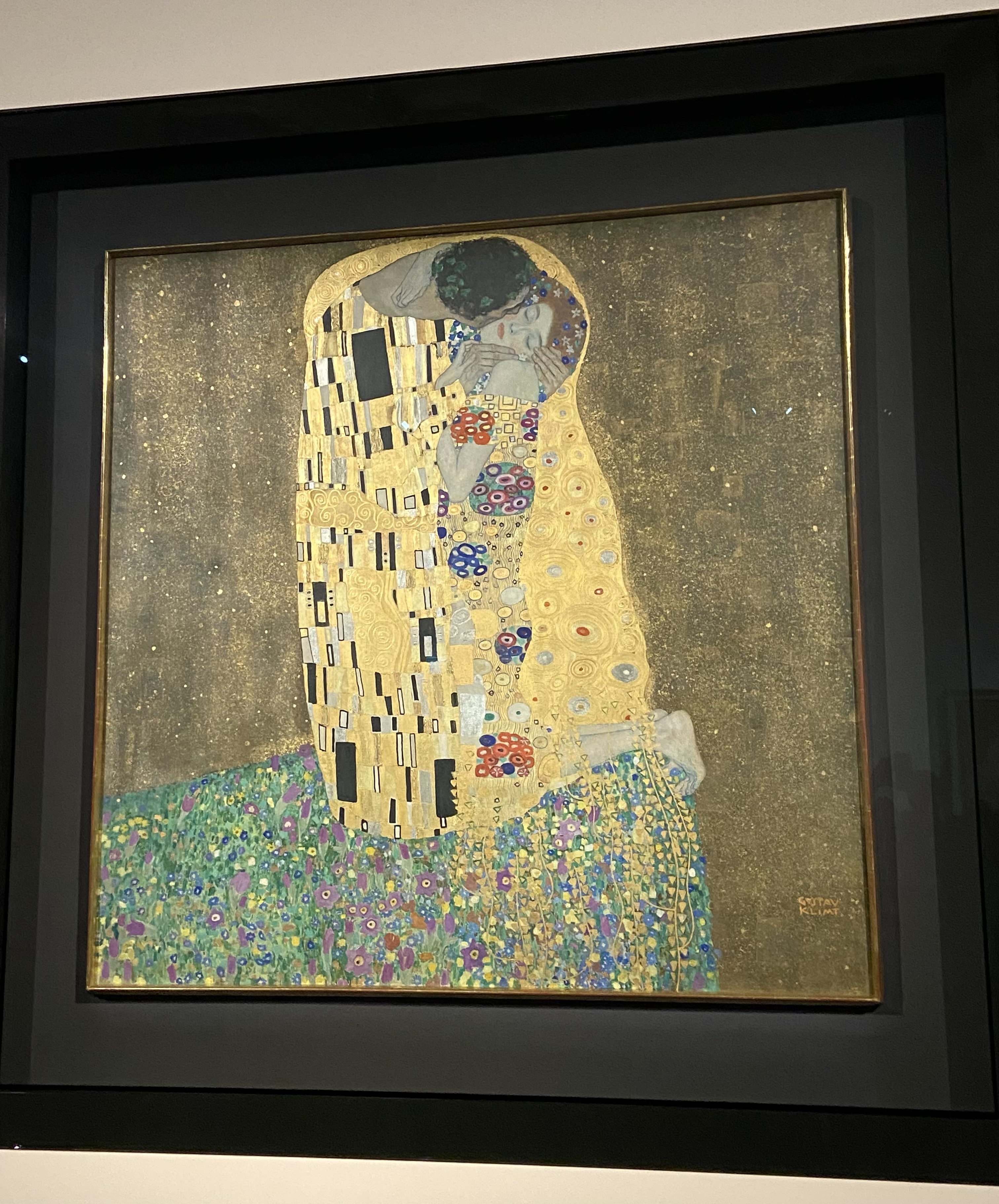
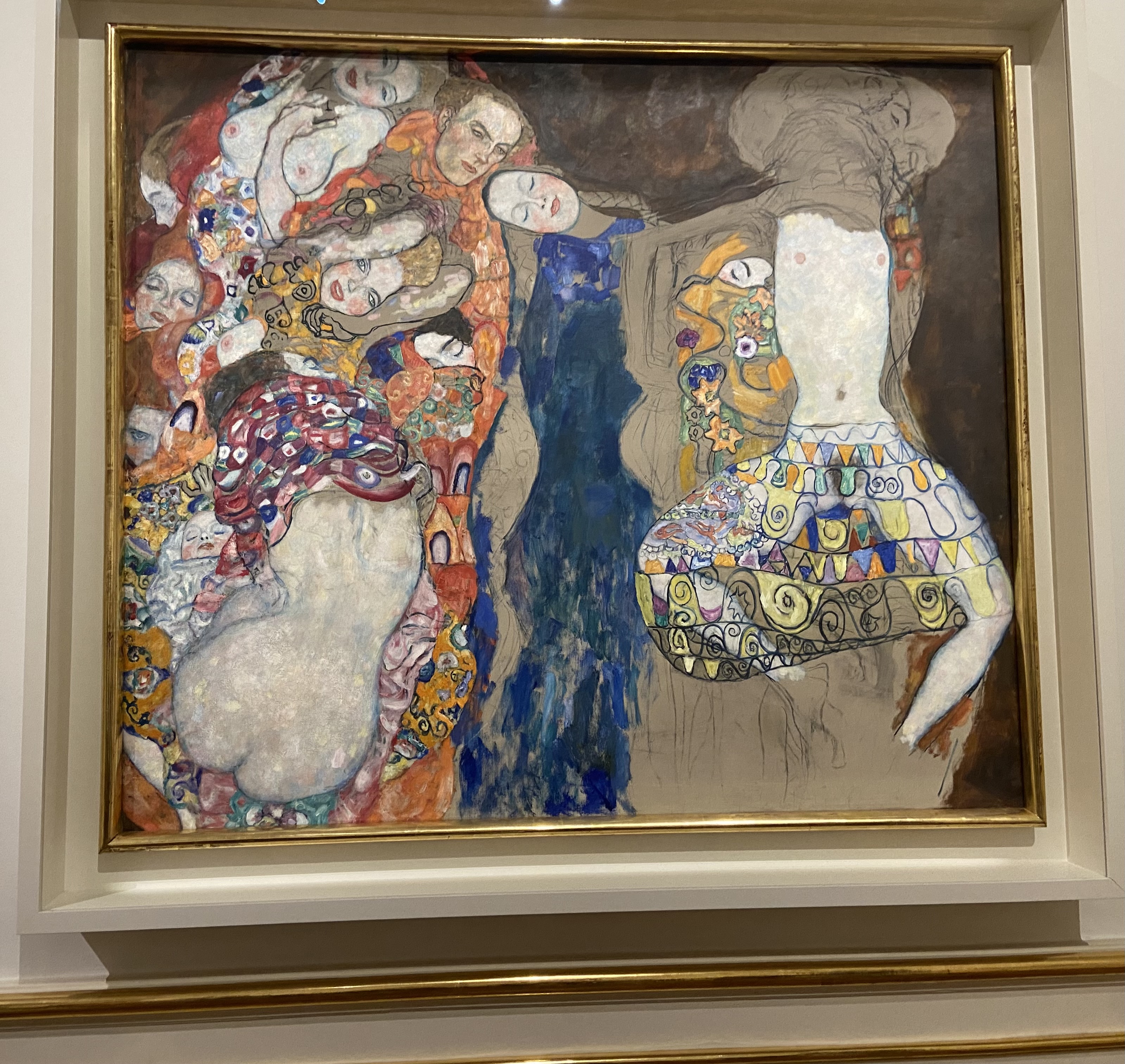
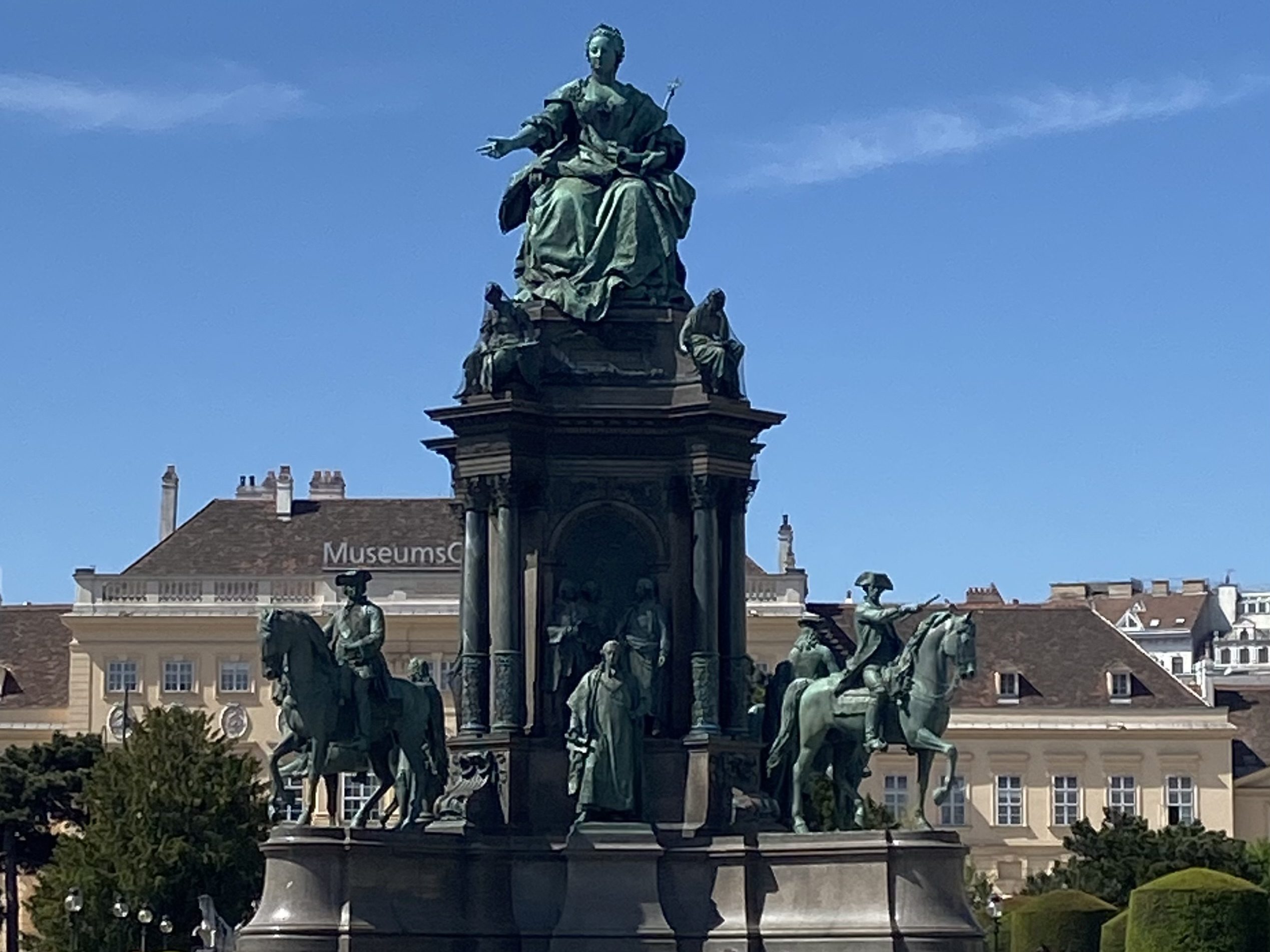
We (the Lamplighters) spent almost two hours touring the exhibit. As always, when I’m in an art museum, I took lots of pictures.

A short post today for a short month.

I’ll leave you with a picture of two of the best rewards of a long marriage, grandchildren with their granddaddy, my husband of 49 years.

Posted in Uncategorized | Tagged , | Leave a comment

Three Nights in London that Turned into Four

From Tromso, Norway, we’d planned to fly to London to spend an extra three nights on our trip before returning home. We had two items on our agenda: a visit to the Churchill War Rooms and a guided tour of London’s famous art museum, the National Gallery. We easily made it to London, but it took an extra day to get home.

An ice storm in the States resulted in canceled flights, including one we’d scheduled to get to Raleigh-Durham Airport after three nights in London. Oh well, we decided, if we have to be stuck somewhere for an extra day, London is a good place. We had a couple of bad moments, though, when the hotel we’d been staying in for three nights was unavailable for a fourth. Really? I pictured myself homeless or sleeping at the airport.

However, it was January, hardly the height of tourist season. We easily found another hotel within walking distance from the first and wheeled our suitcases down the street for a one-night stay at the Palace Strand.

Lobby of the Clermont at Charing Cross, our first hotel . We’re smiling because we haven’t yet been told we can’t stay another night.

We’d signed up for a guided World War II walking tour in addition to seeing the Churchill War Rooms. Our guide explained in detail The Battle of Britain Monument, located on the Victoria Embankment overlooking the Thames. From July through September of 1940, England’s Royal Air Force defended the country against air raids by the German air force, the Luftwaffe. Their heroic effort prevented the invasion of Great Britain by the German army.

The focus of The Battle of Britain Monument is something called the “Scramble,” a depiction of airmen running towards their planes after orders to intercept the Lufwaffe.

London still suffered heavy damage from German bombing during what is called the Blitz, which lasted from September 1940 through May 1941. St. Paul’s Cathedral was somehow miraculously spared although everything around it was destroyed, as depicted on The Battle of Britain Monument. Terrible times for the British.

On our way to the Churchill War Rooms, we passed a Royal Guard, stationed at the entrance to a garden that would eventually lead to Buckingham Palace. So very British!

This was our third trip to London, but with seeing Buckingham Palace, the Tower of London, the British Museum, Westminster Abbey, St. Paul’s Cathedral, and other main attractions, we’d never made it to the Churchill War Rooms.

Winston Churchill, a complex and often controversial leader, served his first term as Prime Minister of the United Kingdom during the critical war years of 1940-1945.

Today, the basement of a building in London that was used as a shelter for the British military command during World War II is open to the public. For six years during the war, scores of men and women worked here around the clock: the War Cabinet, Chiefs of Staff, Map Room officers, Joint Intelligence staff, and support personnel such as secretaries, orderlies, and guards.

Of course, Churchill himself camped out here, even maintaining a bedroom.

We wandered through the halls, looking into rooms preserved since 1945, now staffed by mannequins.

It was early evening when we left the Churchill War Rooms, and the London Eye was lit up. On our first trip to London years ago, we’d taken a ride on this giant enclosed Ferris wheel, which allows a panoramic view of London.

Also of interest on our way back to our hotel was a demonstration protesting the Iranian government.

The second item on our to-do list was a visit to the National Gallery, London’s huge art museum.

We’d signed up for a guided tour, expecting to be part of a large group. Since it was January, however, my husband and I were the only two. A private tour for the less expensive price of a group tour! We did give a generous tip to the poor guide, who said he usually has 20-plus people at a time in the summer.

Despite the fact that he had an audience of only two, our guide skillfully led us through the museum in a chronological fashion. From Raphael, a famous Renaissance painter, to Picasso, the most modern artist in the National Gallery, we saw a lot of great art in two hours.

The National Gallery has several paintings by Vincent Van Gogh, a favorite artist of mine. This painting, titled A Wheatfield with Cypresses, reminds me of his more famous Starry Night.

Two other famous paintings at the National Gallery are Van Gogh’s Chair and Sunflowers.

The National Gallery is free to enter so is available to all. We stumbled upon a group of schoolchildren on a field trip with their teacher, who stood in front of a painting explaining its significance. Not an experience I had growing up in Edgecombe County!

A visit to London never disappoints, even when you’re there a day longer than you planned.

Posted in Uncategorized | Tagged , , , , , | Leave a comment

Northern Lights and Northern Norway

Our goal was to see the Northern Lights. Why else travel to a part of Norway within the Arctic Circle in the bitter cold of January? We saw the aurora borealis in all its glory, but the lights turned out to be just one part of the spectacle of this trip.

The Northern Lights were strong enough to be visible to the naked eye, but, as is the case, can be seen better through a camera lens. Here are just a few of the photos my husband and I took during the three nights when the lights were at their peak.

We were on board the MS Spitsbergen as part of an HX expedition called Ultimate Norway–Arctic Exploration under the Northern Lights. The ship sailed in the Norwegian Sea, which is a gateway to the Arctic Ocean. Brrr.

We set sail from Tromso, a place in northern Norway I’d never heard of before this trip.

Before getting on the boat, we toured Tromso, which is actually a lovely city of 78,000, making it the largest city in northern Norway. Here’s an ariel view of the city I took after riding a cable car to the top of Big Rock Mountain.

I felt Tromso was the last I saw of real civilization for the next six days. Once on board the ship, this trip became an expedition, which I learned involved suiting up in ship-issued boots and heavy winter gear, boarding a rubber boat called a zodiac, and zipping out to a frozen island to walk in the snow. Out of my comfort zone, for sure, although I managed to smile for the camera.

There is only about five hours of daylight in January in northern Norway, so one of our hikes took place in the dark. We were issued head lamps and walking sticks and rewarded with a bonfire at both the beginning of the trek and the end.

Kayaking was an activity for the adventurous. I enjoyed watching from the safety of the ship.

In fact, as the week wore on, I didn’t feel the need to bundle up and motor off to an island to see the sights. The views from the ship were sufficiently amazing.

There were some excursions to small villages. We visited the historic island of Tranaya, on the south coast of Senja. There we saw a wooden church dating from 1773, a parsonage, a guest house, and a herd of sheep.

In a village named Svolvaer, we learned about the salting and drying of cod, which is big business in northern Norway. A local explained the process and showed off his drying racks.

Henningsvaer was another picturesque village we briefly visited. I learned Norwegian buildings are often painted red simply because it’s a cheap color to buy.

One sign of civilization: a Methodist church. Rare, since most Norwegians are Lutherans.

I always try to sample the food and drink of a country when I visit. A distinctly Norwegian dish I ate in a restaurant in Tromso was bacalao. It contained cod with potatoes, onions, tomatoes, and olives. I rated it three stars, but the tour guide sitting across from ate every bit of his.

An interesting beverage I had was glogg, a mulled wine. I chose the without-the-vodka option, by the way, since it was noon and I don’t like vodka. I was advised to garnish it with raisons and almonds, which made it a little difficult to drink, in my opinion.

A different kind of trip for me, for sure. Northern Norway in January is a frozen beauty that offers winter sports for the adventurous. For everyone, there’s a chance to see the glorious Northern Lights.

After leaving Norway, my husband and I traveled to London for what we thought would be a three-night visit before flying home. More about that in my next post.

Posted in Uncategorized | Tagged , , , , | Leave a comment

The Twelve Days of Christmas

On this December 30, five days after Christmas, you may have already taken down your tree and boxed up all the decorations. Not me. I cling to the twelve days of Christmas, the time that begins on December 25 and ends on January 5th.

Many years ago, I was lucky enough to inherit a 12 Days of Christmas set of drinking glasses from a grandmother. Picking one out for my daily iced tea is a small way I continue to celebrate after December 25. I try to use the appropriate day, which sometimes means looking in the dishwasher if someone else has taken a glass out of turn. Not everyone, I realize, is as Type A as I am about matching the glass to the day.

What else do I do to celebrate these days after Christmas? The baking is over, but goodies that escaped the clutches of visiting grandchildren (and their parents) are still around the house. My festivities continue!

I did change the runner with the Christmas tree design in the dining room, mainly because I want to enjoy the redbird pattern for a while.

My mother always left her tree up until “Old Christmas,” which falls on January 6 and corresponds to the end of the twelve days of Christmas. I guess my tendency to hold onto Christmas past December 25 is partly due to her influence. My trees will probably come down about the same time as hers used to.
I’m retired these days, so I can enjoy the calm after the storm, the twelve days of Christmas that begin when the merchants have obviously declared the season is done.

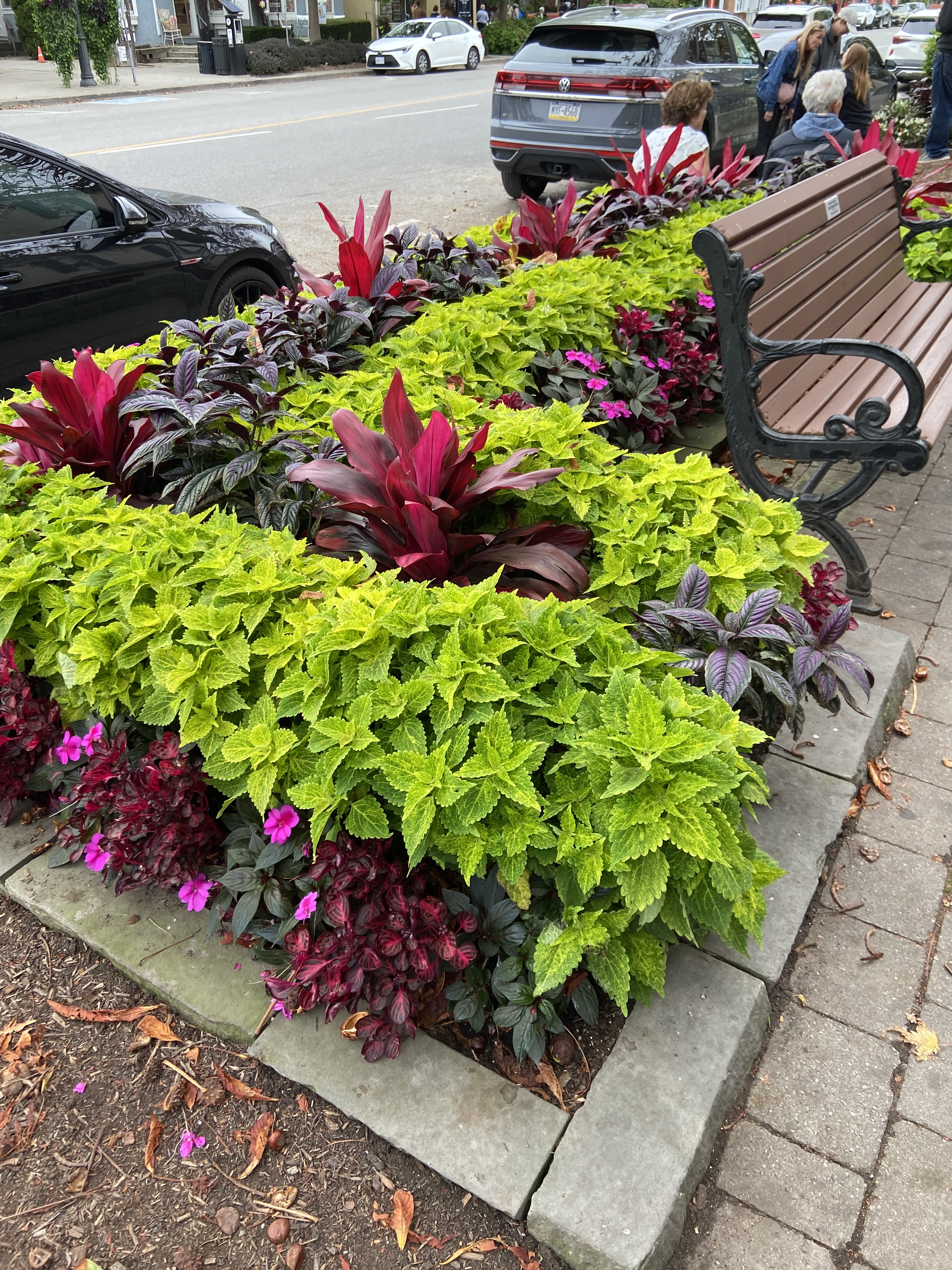
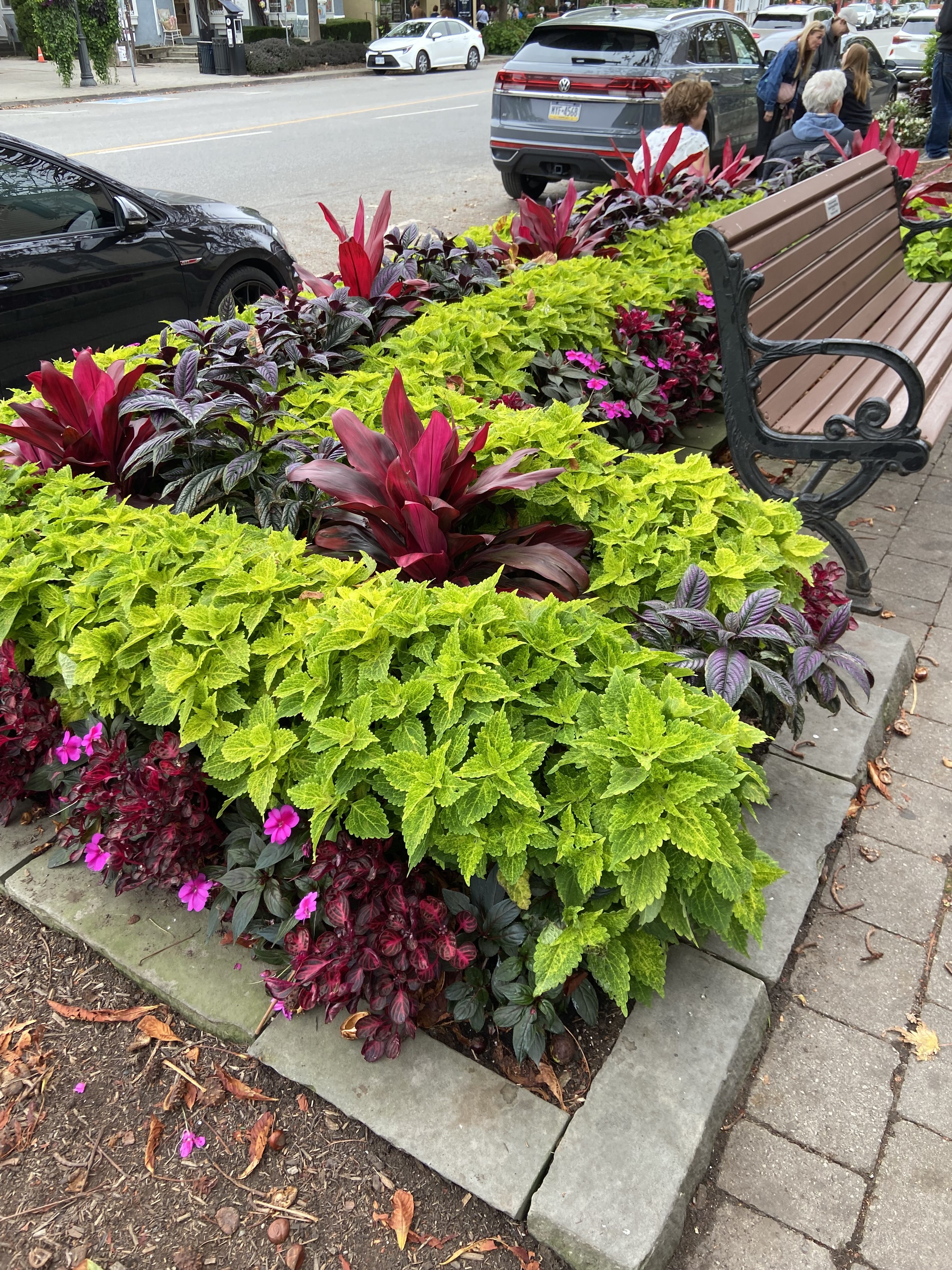
Now that the hustle and bustle of getting ready for Christmas is over, I have time to notice what’s happening in my gardening world. I was a little disturbed to spot the daffodil shoots already poking their heads up in the backyard. Has the weather been that warm?

These spring bulbs seem to emerge earlier every year. I shouldn’t be seeing signs of daffodils during the twelve days of Christmas, right?

The amaryllis bulb I planted in a pot and put indoors in November, naively thinking it would bloom by Christmas, has only a shoot that looks similar to those on the daffodils outside. I bought this bulb, which was dug out of someone’s yard, at a garden club sale. Evidently, I should buy one of those waxed types sold in the big box stores if I want a flowering amaryllis during December. I think the bulb likes the light and the humidity in my bathroom, though.

These leisurely days leading up to Old Christmas have given me more time than usual to read. I’ve enjoyed both an old book, Rosamunde Pilcher’s Winter Solstice and a current New York Times bestseller, The Correspondent by Virginia Evans. As you can see from my bookmark, I’m still savoring The Correspondent.

The start of a new year falls within the twelve days of Christmas, and so as tradition would have it, I need to pause this week and consider resolutions. I stenciled a small cutting board at a ladies’ luncheon this past summer, the sort of thing women often feel compelled to do at these events. Once home with it, I almost relegated my not-so-great result to a closet, but instead, I put it on a table in my bedroom where I see it every day.

I’ve decided the words I painted on this plywood board provide as good a resolution as any going into 2026.

I hope you’re enjoying the peace of the twelve days of Christmas. Happy New Year as well!

Posted in Uncategorized | Tagged , , | Leave a comment

No Marshmallows Allowed at My Thanksgiving Table

At Thanksgiving, my mother made the best oyster dressing with a recipe I never pinned her down on, and her home-cooked collards were seasoned just right with country ham.

Her cranberry, however, she slid straight out of the can, plopped on a plate, and sliced at the last minute. That jellied, ridged cranberry is one of the two dishes of her Thanksgiving dinner where I think I’ve raised the bar.

Here’s how I’ve improved the straight-from-the-can cranberry side.

Cranberry Gelatin Salad (Yields 8-10 Servings)*

1 package (6 ounces) cherry gelatin to be dissolved in 1 and a half cups of boiling water

1 can (20 ounces) crushed pineapple

2 cans (14 ounces) whole berry cranberry sauce (Do NOT use that ridged gelatin stuff without the berries)

1 and a half cups of seedless red grapes, sliced (I half mine, you can decide how big you want your chunks of grapes.)

1/4 cup chopped pecans

In a large bowl, dissolve the gelatin in the boiling water. Stir in the pineapple and the cranberry sauce. Refrigerate for 30 minutes. Then stir in grapes and pecans. Pour into a 2-quart serving dish. Refrigerate until firm.

*I would give credit for this recipe if I could remember where I copied it from. Thank you, somebody, somewhere.

The dish can easily be made a day or so ahead, which comes in handy on the busy cooking day of Thanksgiving. It’s super easy to assemble; other than dissolving the gelatin, no turning on the stove or oven.

Best of all, everyone loves it!

When it comes to cooking, I do believe in fast and easy. Unlike my mother, I buy my collards already cooked. They’re more expensive, but it’s such a time-saver. My dressing is Stove Top. I fix two boxes, doctoring up one by adding a can of drained oysters. It’s as close to Mama’s dressing as I can get.

I love the 1986 edition of the Rocky Mount Junior Guild cookbook, A Dash of Down East (in the picture above). It contains real recipes for real people. The sweet potato casserole recipe, my other improvement in Mama’s Thanksgiving menu, comes from this book.

As you can see, I’ve upped the number of sweet potatoes to use and made myself a note as to which casserole dish to use each year. Thank you, Gail Brown Bishop, for this recipe. You’ve saved me from melted marshmallows on plain sweet potatoes.

I know the sweet potato casserole recipe calls for a lot of butter and sugar. But hey, it’s Thanksgiving. Maybe just exercise some portion control.

In other fall news, the squirrels–or maybe rabbits?–are at it again: gnawing on my plants. I set out several ornamental cabbages a couple of weeks ago. Some are flourishing; others have been attacked. Arrgggh! I read somewhere that used coffee grounds and bone meal deter critters, so I’ve used both around my plants.

I guess sometimes my treatments work and sometimes they don’t.

I’ve eliminated deer as likely culprits here as these plants are in the fenced-in backyard. So far, the deer have been content to munch on what’s outside the fence in the side and front yards. No evidence yet that they’ve leaped over the fence, which my deer-hunting husband has informed me they can do.

Anybody else involved in battles with plant-eating squirrels and rabbits?

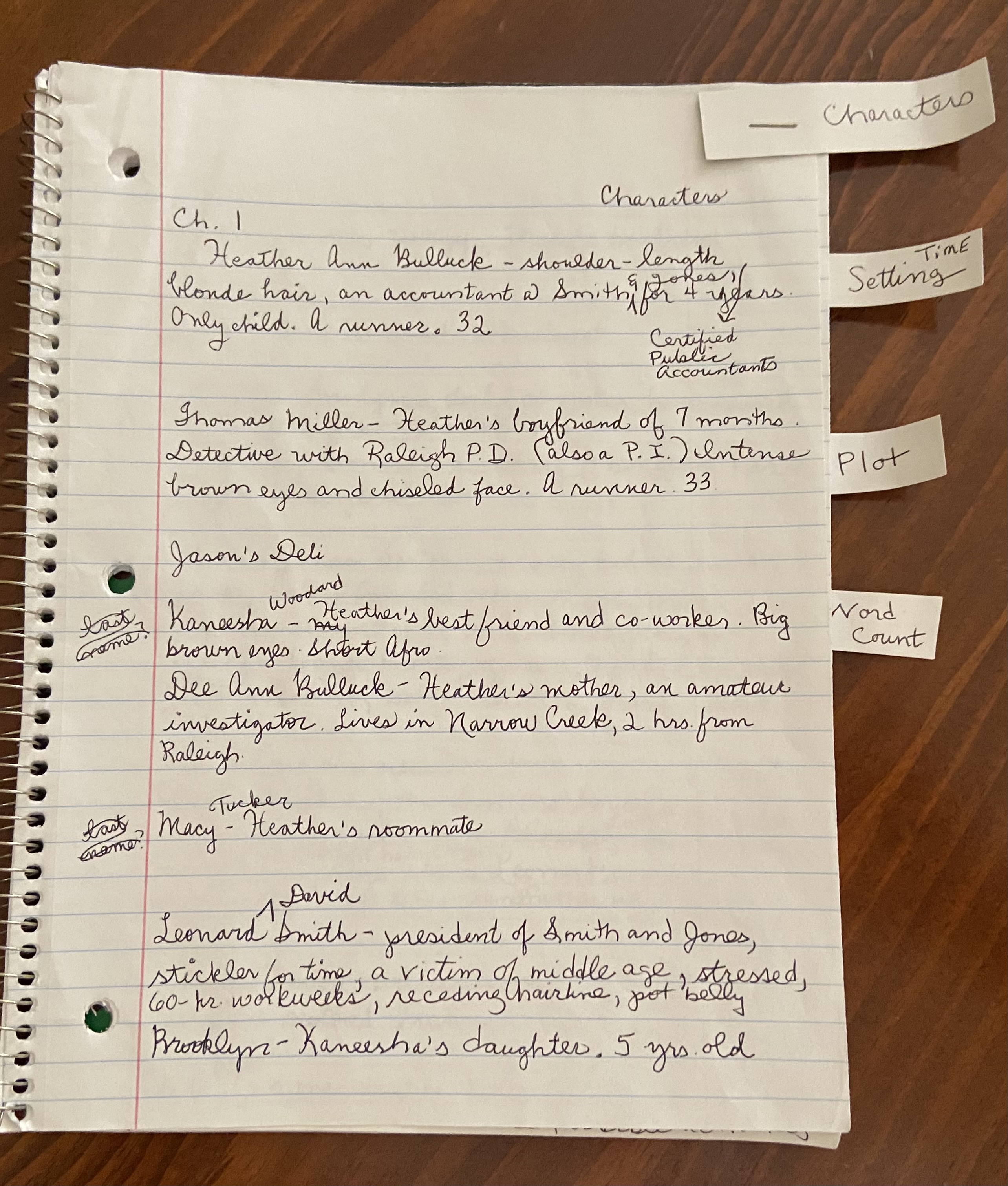
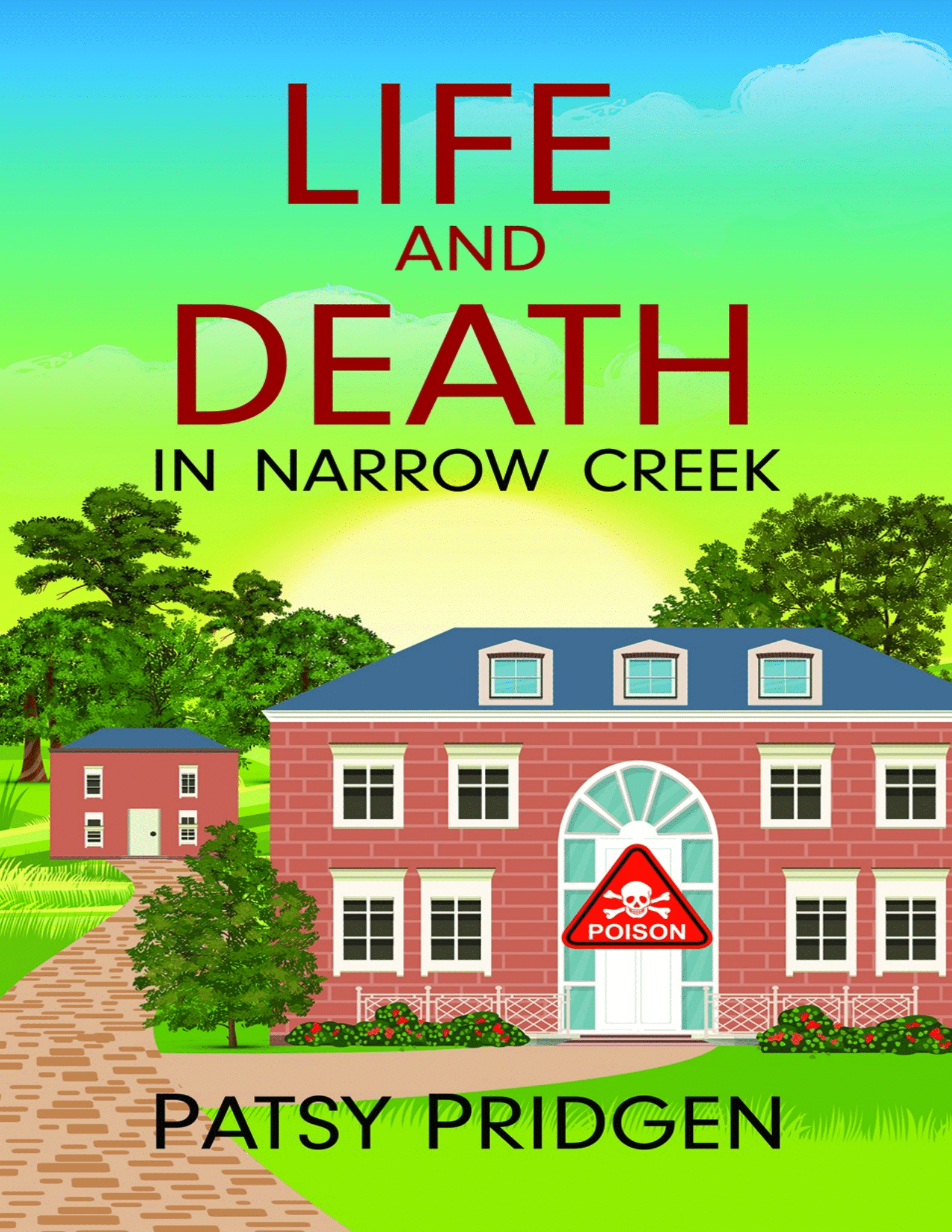
On a final note, yes, I’m still writing cozy mystery novels. I have a rough draft of a fourth, tentatively titled Mother and Murder. Right now, it’s with my Beta readers, my husband and daughters. I’ve already been advised I spelled Chic-fil-A wrong. Being a former English teacher, I spelled it Chick Filet. I guess I never look at the logo when I eat there.

I’m hoping this fourth book will be ready for publication by early spring. More about the plot later. I may print the first chapter here and you all can be my Beta readers. Happy Thanksgiving!

Posted in Uncategorized | Tagged , , , , | Leave a comment

A Virginia Trip

An unexpected bonus on my recent trip to Hot Springs, Virginia, was a visit to Thomas Jefferson’s Monticello. I didn’t realize this historical World Heritage site was directly off the interstate near Charlottesville. Why not stop?

My husband and I signed up for the 45-minute guided tour of the first floor of this most unusual colonial plantation home. Like Benjamin Franklin, Thomas Jefferson was a Renaissance man–curious about lots of different subjects. The foyer of Monticello is evidence of his many interests.

Our guide told us Jefferson had a clock in every room, a bit unusual for the times. Here’s the one in the foyer, called the Great Clock, designed by Jefferson, and still functional today.

Where Jefferson retired at night was especially interesting. He designed an alcove bed between his study and bedroom.

About 60% of the furnishings on display in Monticello are original. We were told these boots were actually Jefferson’s.

Monticello is the first colonial home I’ve seen with a skylight. There are 13 total.

Our guide said the dining room’s mustard color is an authentic reproduction. I never thought of this shade of yellow as a colonial color. Bright!

The three portraits hanging in the parlor are of Jefferson, John Adams, and George Washington.

Once the tour was over and we left the house, we walked the grounds and found the Sally Hemings cabin. Sally Hemings, you may recall, was the slave with whom Jefferson had several children. She bargained for their children to be freed, and the four who survived to adulthood were given their liberty.

Today, there are lots of descendants from the Jefferson/Hemings family.

We stood outside the Jefferson gated cemetery, where the largest tomb was of course Jefferson’s. Prior to his death, he left specific instructions concerning the obelisk he wanted over his grave. Surprisingly, the three accomplishments engraved do not include his presidency.

Evidently, he was prouder of writing the Declaration of Independence and the Statute of Virginia for Religious Freedom, along with founding the University of Virginia.

I saw this simple marker in the cemetery. Hinton is my maiden name. Maybe I’m related to Thomas Jefferson?

Before I forget, our destination, the Omni Homestead, in Hot Springs, Virginia, was as lovely as people had told me it would be.

We were there for my husband’s business conference–and to spend a couple of days with these sweet granddaughters. A little history in the making here.

Posted in Uncategorized | Tagged , , , , , , | Leave a comment

Whatever Is Lovely

What do you do when you find out your city government has overspent by millions of dollars and is now going to raise your utility bill in a feeble attempt to balance the budget? You save your outrage until the state auditor’s report is finished and instead rejoice in the glorious fall season.

Start your dose of “up” by enjoying autumn leaves that have turned beautiful shades of yellow, orange, and red. Visit the mountains, as I did, if you can’t wait for the view at home.

A warning, though. Trying to hit the peak of the fall foliage season in the highlands is tricky business. Forecasters may or may not predict the best weekend, and also the colors vary according to elevation. On Beech Mountain in North Carolina this past weekend, the first in October, the peak was close.

Here’s a roadside view on the Blue Ridge Parkway between Blowing Rock and Boone, NC. Who cares whether the leaves are at their showiest? Plenty pretty for me as I rolled along the twists and turns of this special highway.

I stopped to take a picture of the humble goldenrod, growing everywhere along the Park Way roadside. Nothing says fall to me more than the presence of this wildflower.

A fall trip to the mountains wouldn’t be complete without a stop at the apple stand. They’re not cheap, but these apples seem healthier and taste better to me than the grocery-store ones with the waxy coatings. My favorite this year is the Golden Delicious variety, which, crazy as it sounds, have a hint of pear flavor.

Back home, I celebrate the October fall holiday, Halloween, with a few decorations I pull out of the attic each year. A tree limb I once picked up in the yard is adorned with that orange stretchable spider-web stuff and lit with a strand of orange lights. My husband and I plug up the Halloween “tree” every night while we watch TV or read.

The fireplace mantel gets a dose of easy fall decorating, too. After Halloween, I’ll remove spooky items and leave the fake fall foliage up through Thanksgiving. Yes, my living room might be a little tacky for some tastes, but I like to think it’s cheerful.

Speaking of cheerful, zinnias are the flowers that keep producing long after other summer bloomers are gone. I picked this arrangement yesterday, and there are more where these came from. (The harvest-gold phone is no longer connected, in case you’re wondering. The grandchildren have enjoyed playing with it over the years.)

Whenever I feel, as the poet said, “The world is too much with us,” I read this Bible verse I have on a laminated card on my desk.

Whatever is lovely: fall foliage, apples straight from the orchard, zinnias still blooming.

And toddler twin granddaughters in their pink Target raincoats, the ones Grandma Patsy bought them.

Posted in Uncategorized | Tagged , , , , | Leave a comment

Canadian Rockies: Wow, Wow-Wow, and Wow-Wow-Wow!

Our pictures can’t capture the majesty of what my husband and I saw on our recent trip to the Canadian Rockies. As our Caravan tour guide suggested, we rated the scenery as wow, wow-wow, and wow-wow-wow. Most of what we saw fit the triple-wow category.

Our journey began in Calgary, which was a direct, not quite five-hour flight from the Raleigh-Durham Airport. Calgary is in the Alberta Province of Canada, above Montana.

Canadian train trips are a popular way to view the Rockies, but we chose to join a bus tour with a company (Caravan) we’ve used over the years for other trips.

The railroad is a big deal in Canada, though, since the building of the Canadian Pacific Railway in the late 1800s is what opened up the western part of the country for settlement, and today, tourism. A walking tour we took in Calgary began near the historic Canadian Pacific Railway Station in Calgary, built in 1910.

Calgary, the gateway to the Rockies, is a combination of old and new. The city boasts skyscrapers but has an annual festival called the Stampede, which features chuckwagon races and all kinds of rodeo events. The Stampede celebrates Alberta’s western cowboy heritage.

I’d never thought of Canada in terms of having a ranching, frontier, cowboy kind of history much like that of the United States. I learned otherwise. We were taken to the Bar U Ranch National Historic site, where a cowgirl filled us in on some history of the Canadian West.

On our way to the Canadian Rockies from Calgary, we rode through the prairies. The pretty yellow crop is canola.

Once we reached the Canadian Rockies, we entered Waterton Lakes National Park, which joined Glacier Park in Montana in 1932 to become the world’s first International Peace Park. As you can see from the sign, Canada has two official languages: English and French.

The wow factor increased as we cruised on Waterton Lake. Looking at the snow-capped mountains that abutted the lake, I was reminded of the Norwegian fjords.

Though the trip was billed as a tour of the Canadian Rockies, we did into Montana one day to visit Glacier National Park. It was fun to explore the park in a restored 1930’s touring coach called the “Red Jammer.” And again, the scenery was spectacular.

Back in Canada, we spent four nights in beautiful downtown Banff, surrounded by the grandeur of Banff National Park.

A gondola ride in Banff took us to the summit of Sulphur Mountain with steps leading to an even higher elevation. Of course we had to go the extra mile, literally. After our hike was one of the few times I was hot in the blissfully cool weather of Canada.

Jasper National Park, Canada’s largest at 4,200 square miles, was also on our agenda. Here we had a wow, wow, wow experience riding across the Columbia Icefield’s Athabasca Glacier on something called an Ice Explorer. We got out and tentatively walked around the glacier. Thankfully, no broken bones to report.

Old folks tubing, billed as a float trip on the Bow River, was another adventure. Can you identify my husband and me in this group huddled together?

The mountains and the glaciers were stunning, but the lakes of the Canadian Rockies were also spectacular. Glaciers feed Moraine Lake and Lake Louise, resulting in sparkling, turquoise-colored water.

Unfortunately, we didn’t stay in the thirteen-hundred-dollars-a-night hotel there at Lake Louise. Maybe next time….ha, ha.

Visiting the Canadian Rockies is not a hard trip from eastern North Carolina, just a roughly five-hour direct flight from Raleigh to Calgary. It’s a great vacation to take in the hot, humid days of a Southern summer when the temps in this part of Canada feel like early spring.

And once there, you’re rewarded with some of the most spectacular mountains, lakes, and glaciers to be seen in North America. Absolutely wow-wow-wow.

Posted in Uncategorized | Tagged , , , | Leave a comment

In the Blink of an Eye

First you watch your children grow up. From babies to kids to young adults, all in the blink of an eye, or so it seems. Then the cycle repeats itself with your grandchildren.

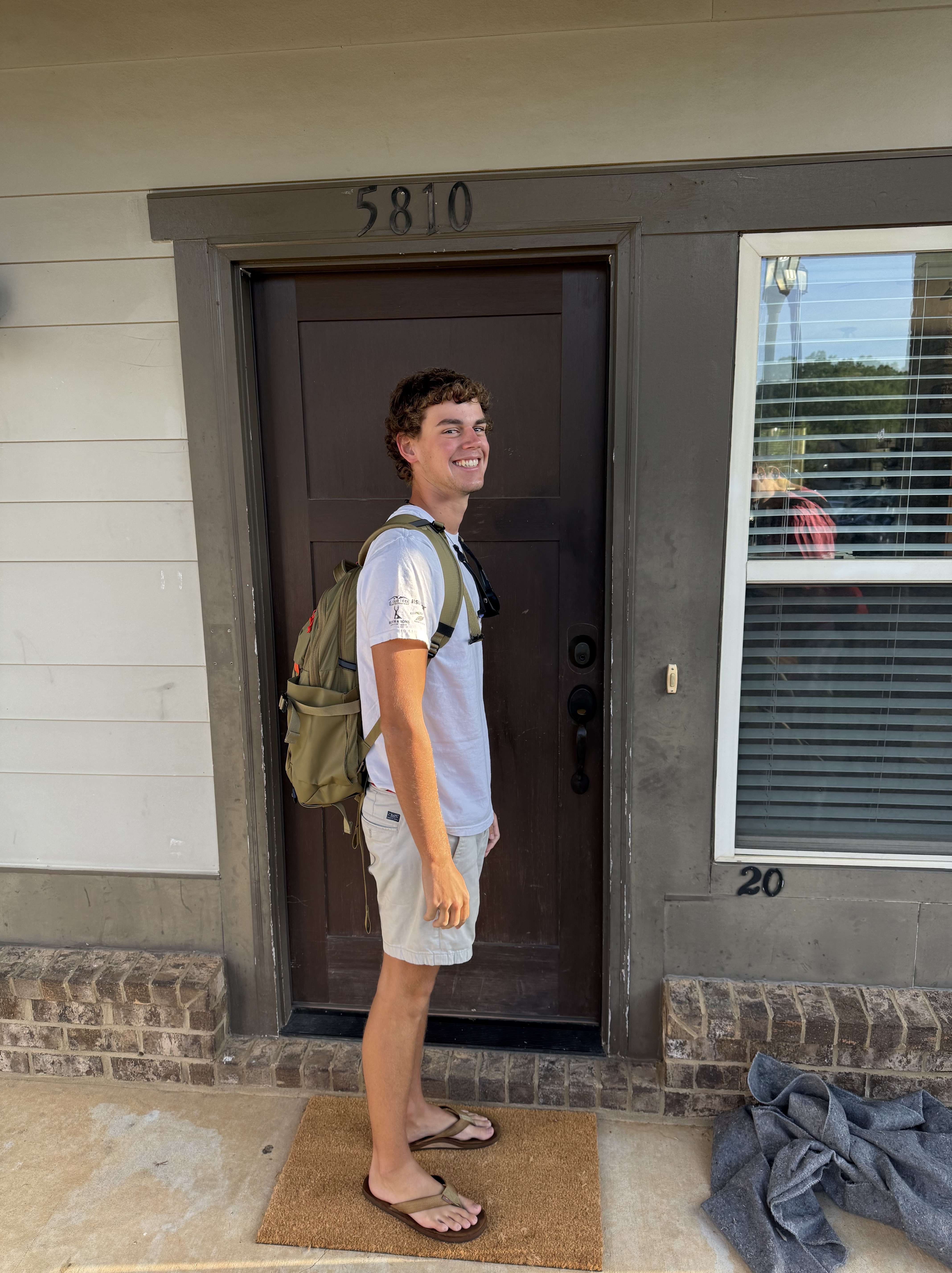
He was not the first grandchild–his older sister has that distinction–but he was the first grandson. My first boy. I’d been the mother of three girls, you see, so I had to figure out what to do to entertain a little fellow.

Turned out it wasn’t so hard. From Candy Land to chess, from popsicle stick crafts to shooting hoops–the years rolled by. Tuesday after school became our designated time together. I picked him up from school on that day until he was old enough to drive to my house after tennis practice.

A while ago, he kiddingly (I think) listed himself in my phone contacts as “My Favorite Grandchild.” He’s one of seven grandchildren, ranging in age from his almost 20-year-old older sister to 16-month-old twin girl cousins. I haven’t changed his contact listing, but of course I will go to my grave saying they’re all my favorites.

Speaking of favorites, I don’t kid myself that I’m the center of his universe these days. I’m pretty sure the last couple of years the highlight of our weekly visit has been an early dinner of takeout Japanese. After all, he’s a 17-year-old boy who, like most guys that age, likes to eat. He knows his grandma is good for a trip to Tokyo Express. He has our standing order on his phone and calls it in just about every Tuesday night.

I joke that instead of remembering Grandma’s homecooked meals, he’ll recall Tokyo Express.

In less than a month now, he’ll be off to college and those Tuesday afternoons will end. From a towheaded cutie pie to a young man, all in the blink of an eye. Makes me proud…and sad.

Posted in Uncategorized | Tagged , , , | Leave a comment

An Italian Adventure: The Venetian Islands and Country Visits

Venice might have been amazing, but the places we visited on nearby islands were absolutely charming. My favorite was Burano with its colorful houses and slower pace.

There’s not a lot going on in Burano, no great cathedrals or museums to visit, which meant we could simply relax while walking the streets and soaking up the Italian village vibe. Ever so often, we’d cross the street via one of the bridges spanning the canals, just to walk on the other side for a while.

There are a couple of stories as to why the houses here are so colorful. One is that bright colors helped residents locate their homes in thick fogs. Another theory is that fishermen who spent days on grey waters needed some color when home.

In any case, the different hues on the houses are delightful.

Burano is known for the Italian craft of making lace by hand. In the past, Italian wives occupied themselves with this activity while waiting for their fishermen husbands to return. We were taken to a demonstration while visiting the island.

It’s a dying art, though, since younger women aren’t as interested in this time-consuming occupation. Today, most of what’s sold in the shops on the island is probably manufactured somewhere else, especially if the item is relatively inexpensive.

I’m pretty sure this lace scarf I bought was not done by hand, but I still think it’s a great souvenir along with my knockoff Murano glass necklace, earrings, and bracelet.

If the jewelry in the above photo were real, hand-crafted Murano glass, I would have paid far more than my total of less than 100 euros. We were taken to a demonstration of glass blowing, a fascinating skill, on the island of Murano.

Afterwards, we were escorted to the showrooms, full of beautiful but very expensive Murano glass products. Colorful!

I’ve gone out of order so far, but the first town we visited was Vicenza. We had a few rainy days during our trip to Italy, and this was one of them. We’re still smiling, though, at least for the camera.

The lady who took this picture for us is the wife of an American serviceman stationed at a nearby US army base. She recognized we were Americans due a Tar Heel shirt worn by a member of our group (not me). She gave us the name of a good Vicenza restaurant, where I had several slices of an authentic Italian pizza (lots of prosciutto).

Of course, this being one of our sponsored tours, we did more than just walk around in the rain and eat pizza. Before giving us free time, our guide talked quite a bit about a man named Andrea Palladio, a famous 16th century architect who was responsible for many of the impressive buildings in town.

We also visited the Teatro Olimpico (Olympic Theatre), the final design by Palladio. Built in 1580-1585, the Teatro Olimpico is one of only three Renaissance theaters still in existence.
The most eye-catching feature of the theater is the stage scenery, painted to give the illusion of long streets receding to the horizon. The Teatro Olimpico, along with other Vicenza buildings designed by Palladio, are designated UNESCO World Heritage Sites.

Chiogga was another town we visited. I was initially excited that we happened to be there on the weekly street market day, thinking I would score some great Italian souvenirs. However, the market caters to what the locals need, such as socks and kitchen gadgets, stuff I could get at Wal Mart back home.
Still, Chiogga was a pretty town. I say town rather than village, because Chiogga, sometimes called Little Venice, was bigger than Burano, Murano, and Vicenza. About 50,000 people live here.
Pescheria is Italian for fish market, of which there are plenty in the Venetian area. The intricate sculptured gate of this one in Chiogga is stunning.

Twice, we rode a bus to visit Venetian villas located out in the countryside. C’Zen (House of Zen) was once a shooting lodge before being converted to a villa by the wealthy Venetian Zen family. Today, it is operated by a mother/daughter team and caters to both day and overnight guests.

The Ca’Zen Estate was a relaxing spot for a late afternoon glass of wine paired with Italian hors d’ouvres.

The Catajo Castle, located in the Euganean Hills, has a nice setting too.

Built in 1570 by the Obizzi family, the Catajo Castle was actually a cross between a fortress and a mansion rather than a castle. According to our guide, the Obizzis were social-climbing mercenaries who liked to show off their wealth and boast about their battlefield victories. Hmm. Sounds like a family saga that could be made into a Netflix show.

I particularly liked the sculpture of mythological figures, some astride the elephant, at the entrance to Catajo Castle. Bacchus, the god of wine (straddling the keg), is promising a good time to all who visit Catajo Castle.

Italian sculpture, cathedrals, art, and palaces were exciting to see. But there were also the moments during my trip to Italy when ordinary life popped up, showing me that people everywhere have pets, do laundry, and display quirky lawn ornaments.

I hated to say goodbye to my favorite European country and to my Uniworld riverboat home.

Posted in Uncategorized | Tagged , , , , , , | Leave a comment