
If I could use only three words to sum up what I toured most often on my recent trip to Japan, it would be temples, shrines, and gardens. But I can’t say these sites are what I’ll remember most about the country.


Skyscrapers, sushi, green tea, pine trees, tame deer, giant koi, ground zero at both Hiroshima and Nagasaki, the Tokyo Tower, Mount Fuji, cable car rides, and the gentle, polite Japanese themselves–these will be among my most vivid memories.
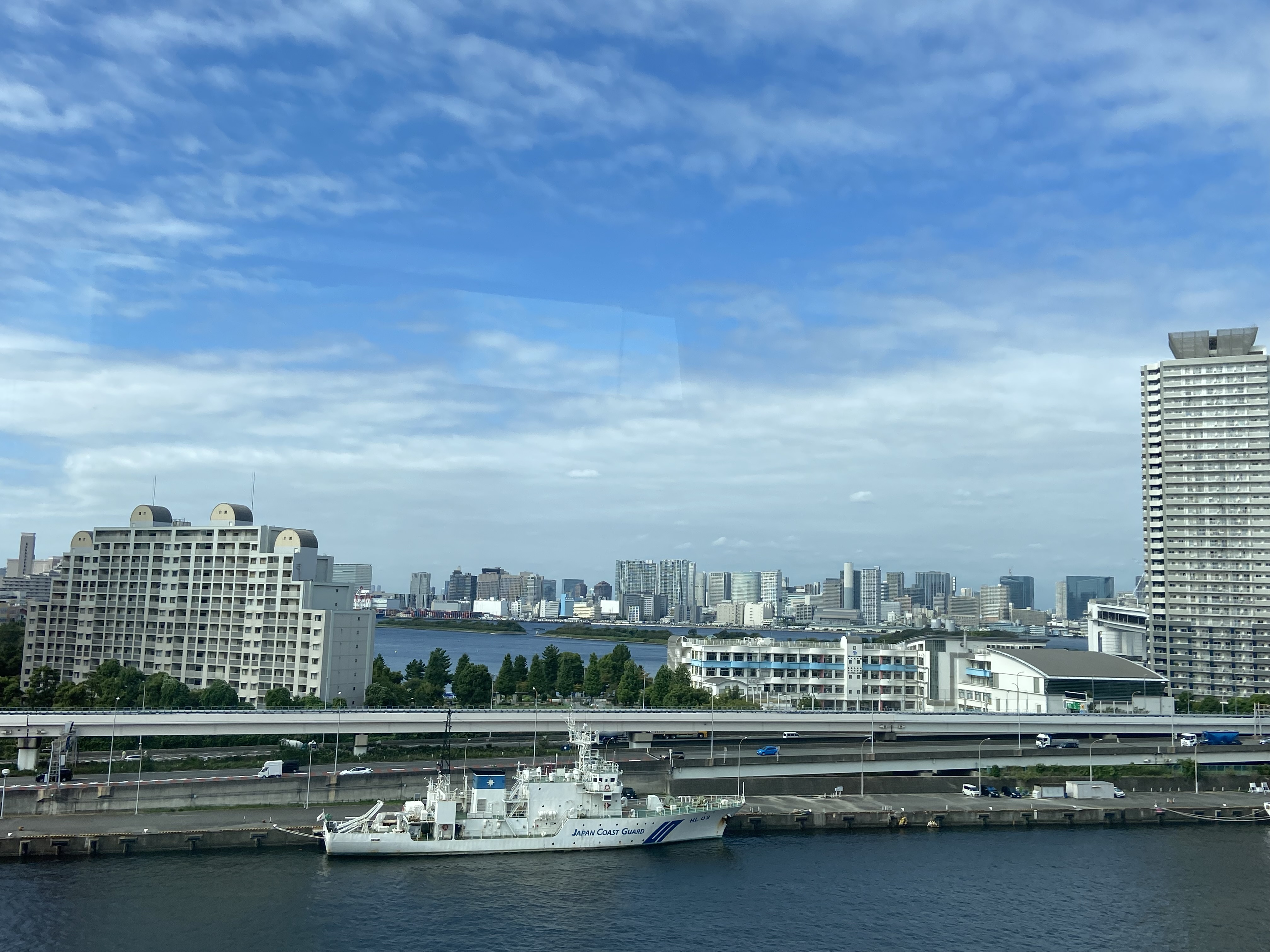
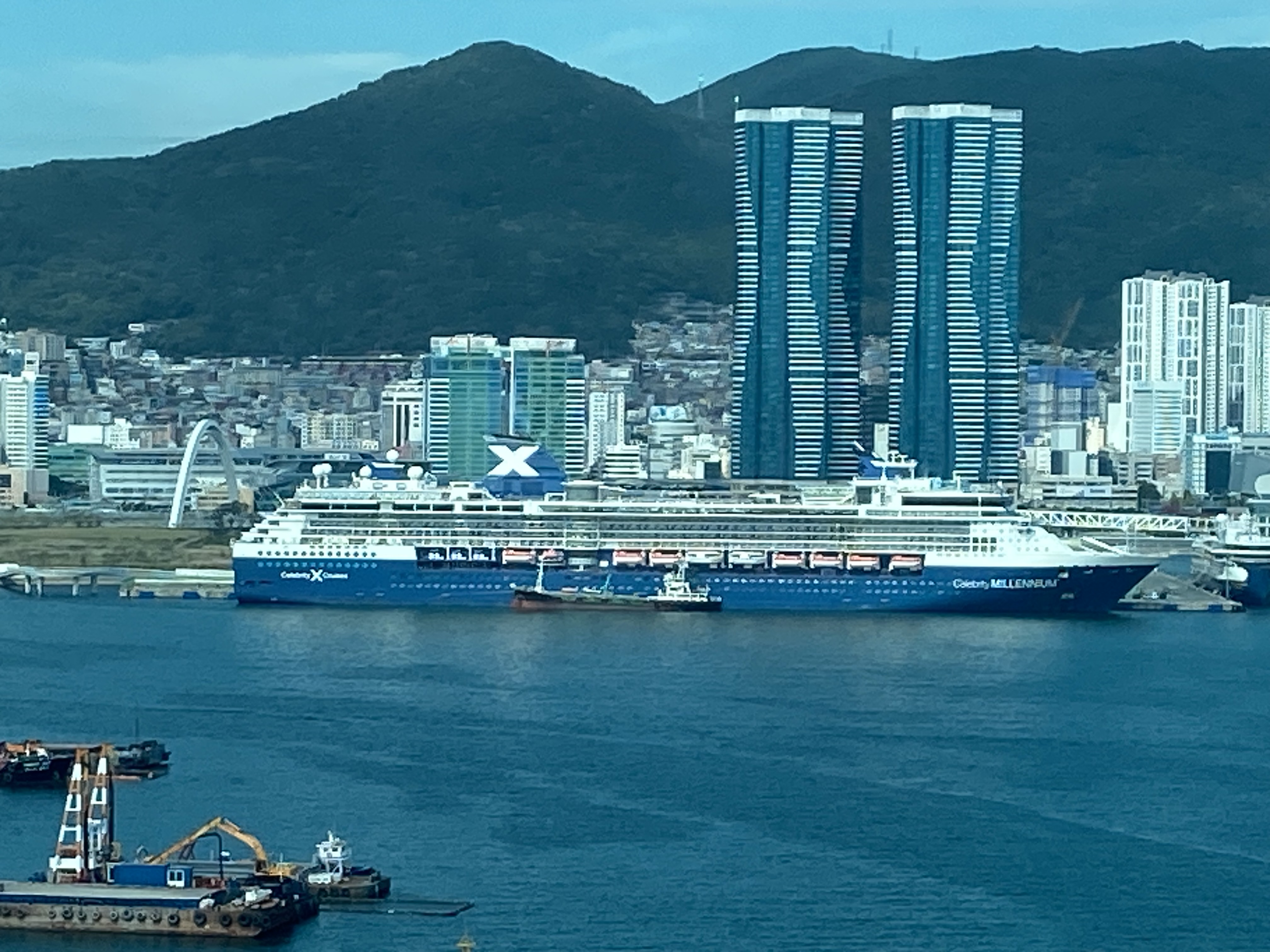
My husband and I were sailing with a group of friends aboard a Celebrity cruise ship. We had six ports of call in Japan: Shimizu (Mt. Fuji), Osaka (Kyoto), Hiroshima, Fukuoka, Nagasaki, and Tokyo. One day we ventured to Busan, South Korea.
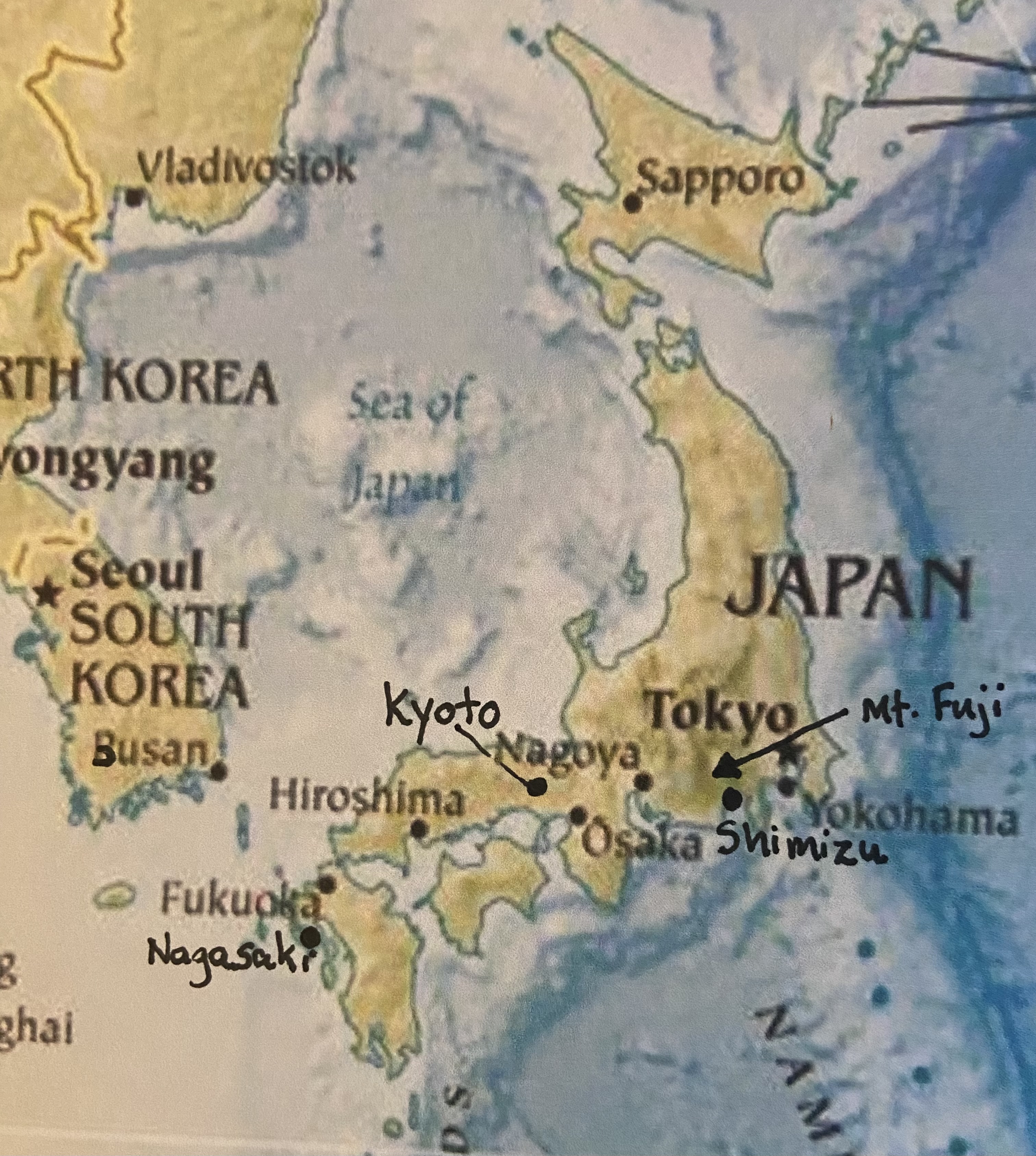
In this post, I’ll cover our first port of call, Shimizu.
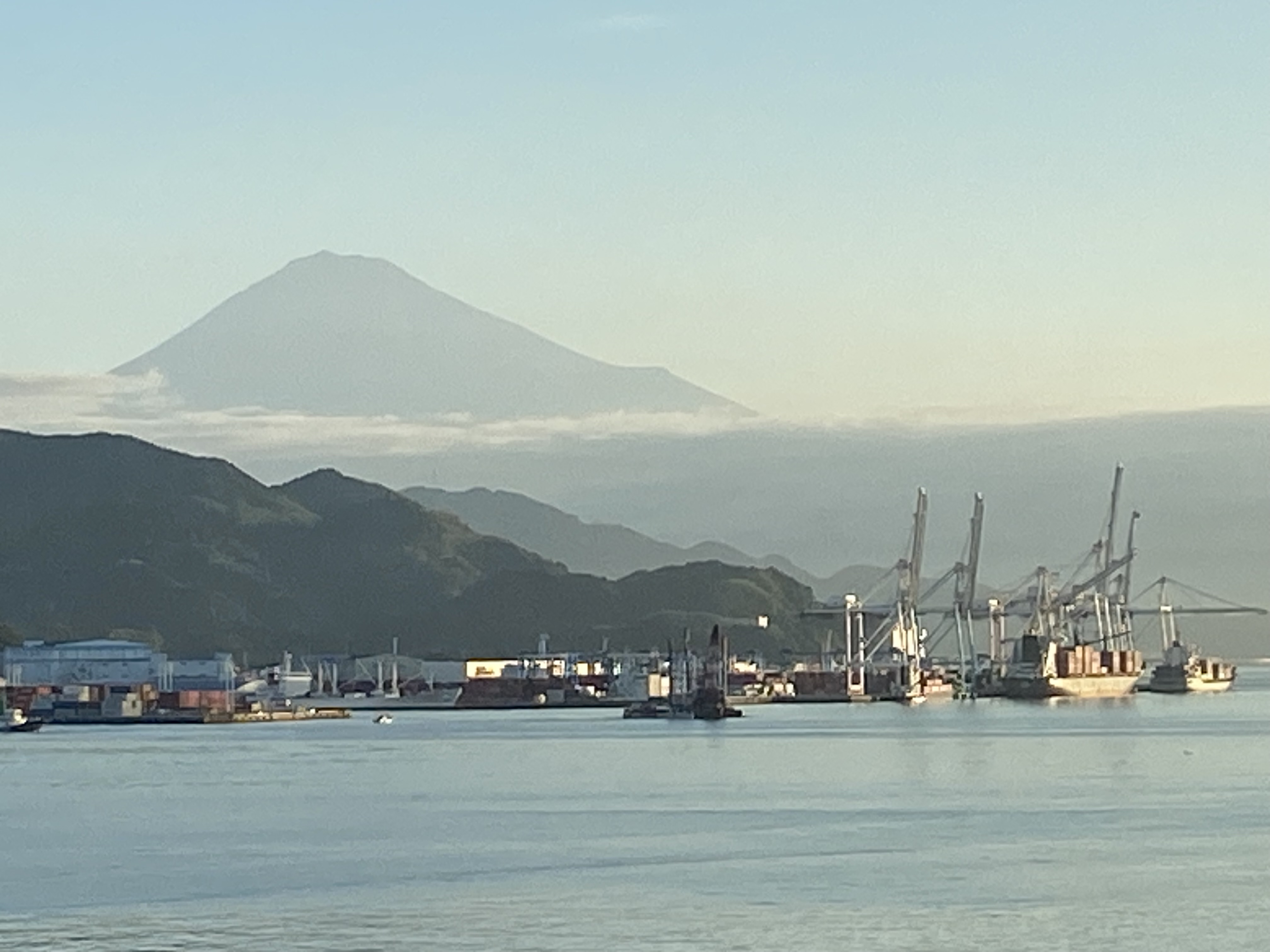
In the description of excursions, Shimizu was given the headline-grabber title Mount Fuji. As it turned out, though, the best view of this famous volcanic mountain was from the balcony outside the cabin of our cruise ship in early morning. Later in the day, Mount Fuji was under cloud coverage.
Instead of Mount Fuji, then, the city of Shimizu was our focus of the day. Here we visited the Sengen Shrine, the first of several shrines that we saw during our two weeks in Japan. I learned that the two most prominent religions in Japan are Buddhism and something called Shintoism, considered a unique Japanese religion. Shintos believe every object – from humans to trees to rivers – possesses a kind of spirit or soul.
It’s my understanding that in Japan, if it’s called a shrine, then it’s a Shinto place of worship. If it’s a temple, it’s Buddhist. Shinto shrines often feature animal figures whereas Buddhist temples will showcase–you guessed it–Buddha.


After this visit to our first shrine, our next stop in Shimizu was a Japanese garden in Sumpu Castle Park. The features in a Japanese garden represent bigger physical formations. Here, the terraced grassy area leads to a peak that is supposed to resemble Mount Fuji. The pond in front is symbolic of the large lakes surrounding Mount Fuji.

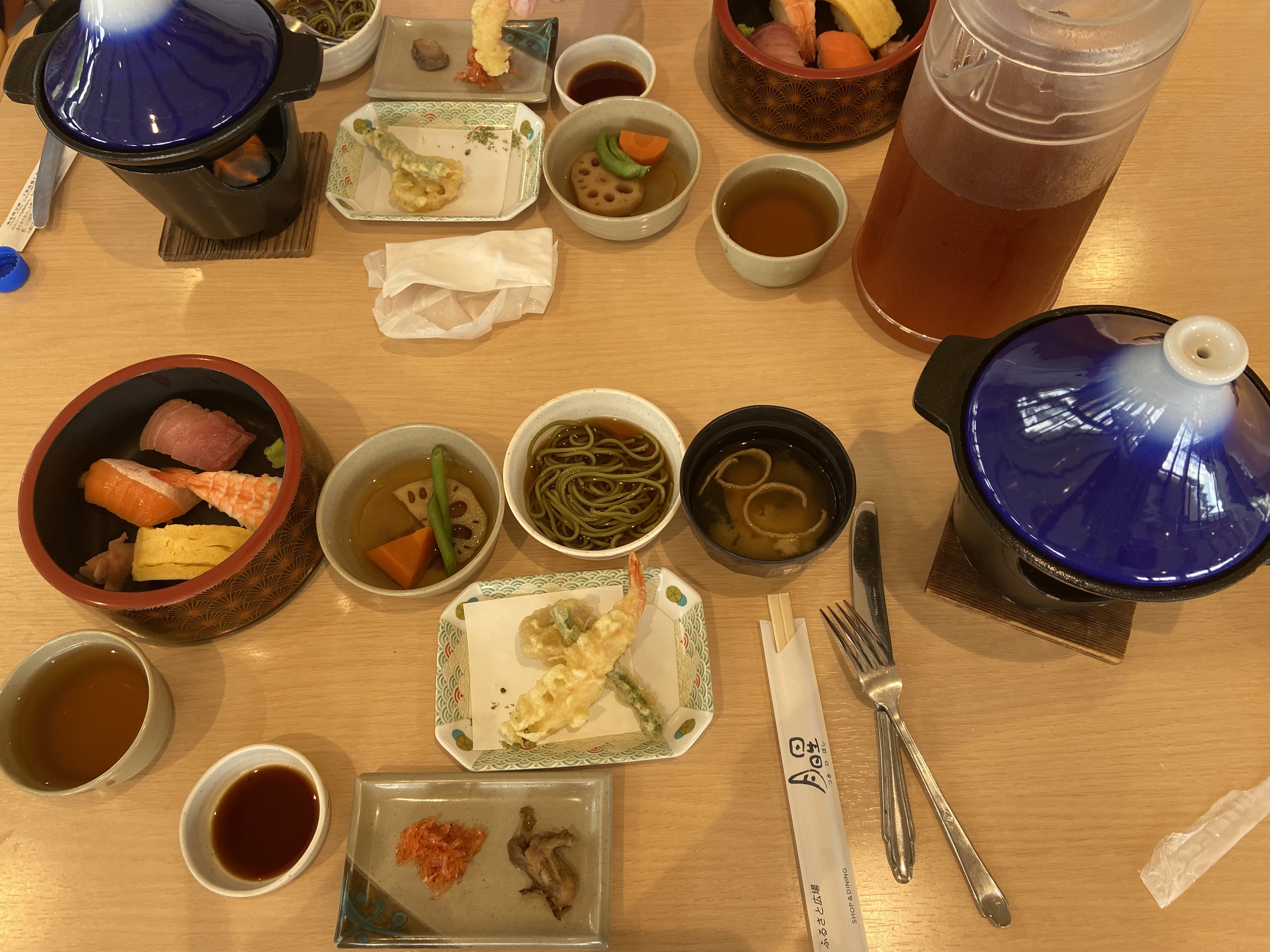
A highlight of the day, at least for me, was an authentic Japanese lunch. Not everyone is a fan of sushi, miso soup, and tempura, but I found the meal tasty. A bit of ginger (the orange flakes at the bottom of the picture) gave the sushi an extra zing! I tried using the chopsticks, but it was a slow go, so I resorted to the fork.
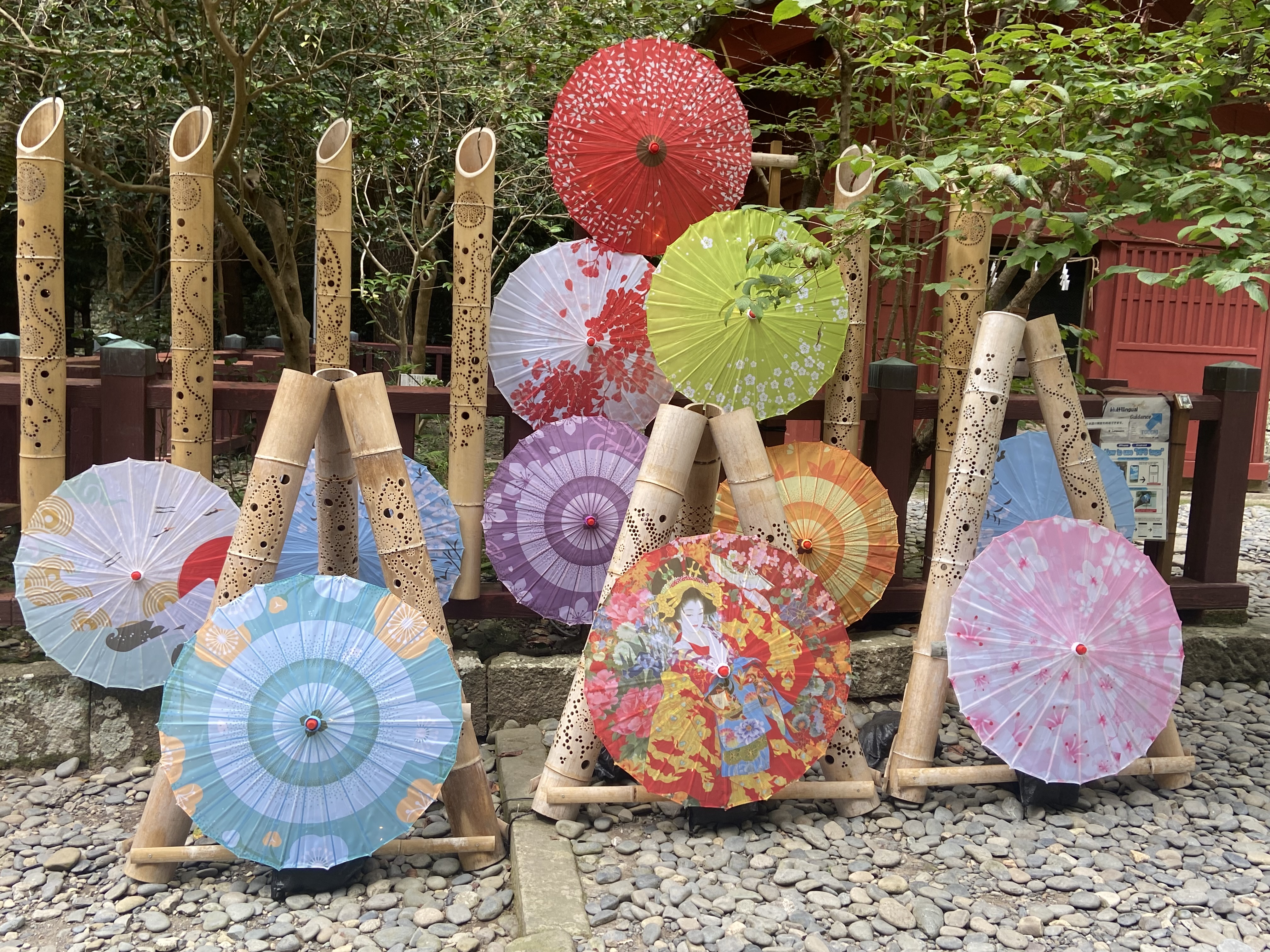
After lunch, we rode a cable car, which for some reason the Japanese refer to as a “ropeway,” up to the Miho Shrine. The path was lined with colorful parasols, which are commonly used in Japan, especially by women, to shield from the sun. The carved bamboo poles contained tiny lights.
Schoolchildren were at several sites in Japan. It must have been National Field Trip Week. These at the Miho Shrine came armed with backpacks and matching hats. Notice the fan? I haven’t mentioned it yet, but land sakes alive, it was hot in Japan in September! I had googled the temps being going and saw a prediction of upper 70’s to low 80’s. Nope. More like mid-90’s almost every day. And the humidity was off the chart! Think of Disney World in Florida in July.

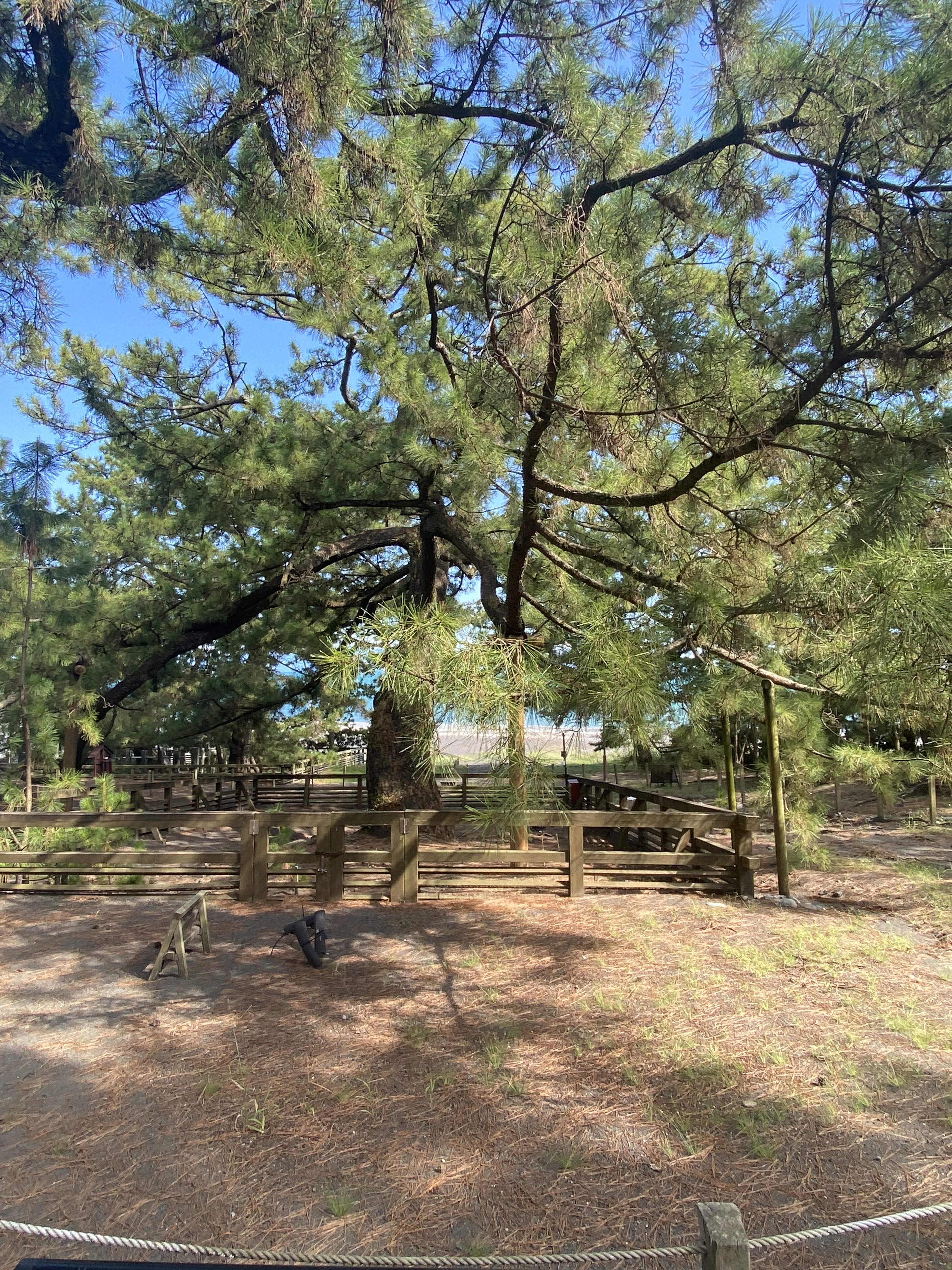
The last stop of our day in the Shimizu area was the Nihondaira Park, where we walked through a designated World Heritage pine-tree lined lane leading to the beach. This 300-year-old pine tree stands at the end of the path. It is believed that Shinto spirits flying in from the sea use this pine as their landmark for descent.
One of my favorite activities any time I travel is people watching. Not the other tourists, mind you, but the natives. Here are two lovely Japanese ladies I saw on this trip to Shimizu, one posing in traditional dress for a wedding portrait, and the other sporting heels at the beach. Fascinating!


In my next post, I’ll talk about what we saw in Kyoto, which we reached from our port in Osaka.





 Patsy Pridgen