
Our next port of call in Japan was Osaka, which we used as a base to visit nearby Kyoto, a city considered to be the cultural center of the country. The Temple of the Golden Pavilion, one of Japan’s biggest tourist attractions, is located there. You can see how this temple, covered in gold leaf, got its name–even its reflection in the pond is golden.


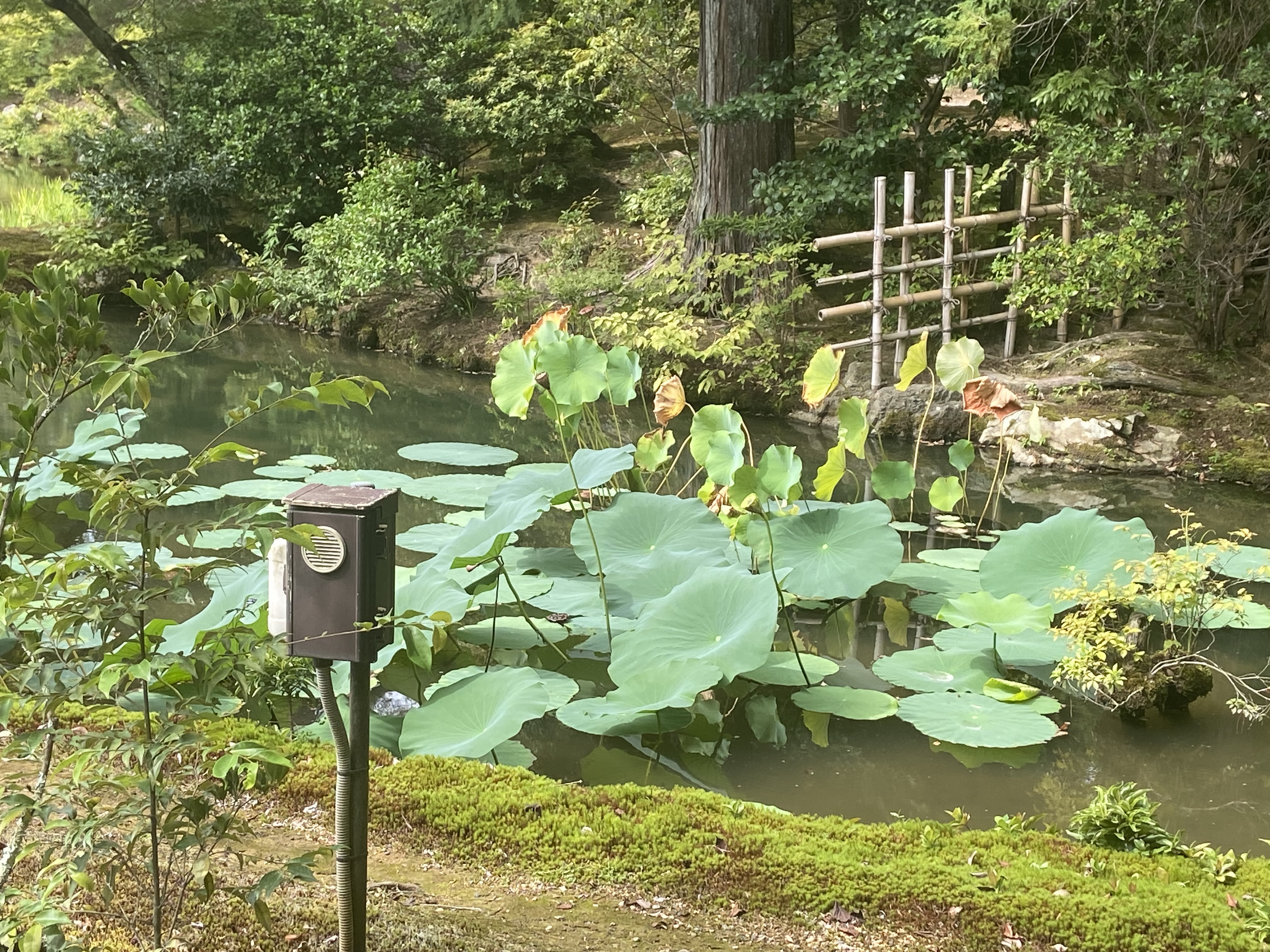
Of course, this being Japan, there was a lovely, serene garden surrounding the Golden Pavilion.
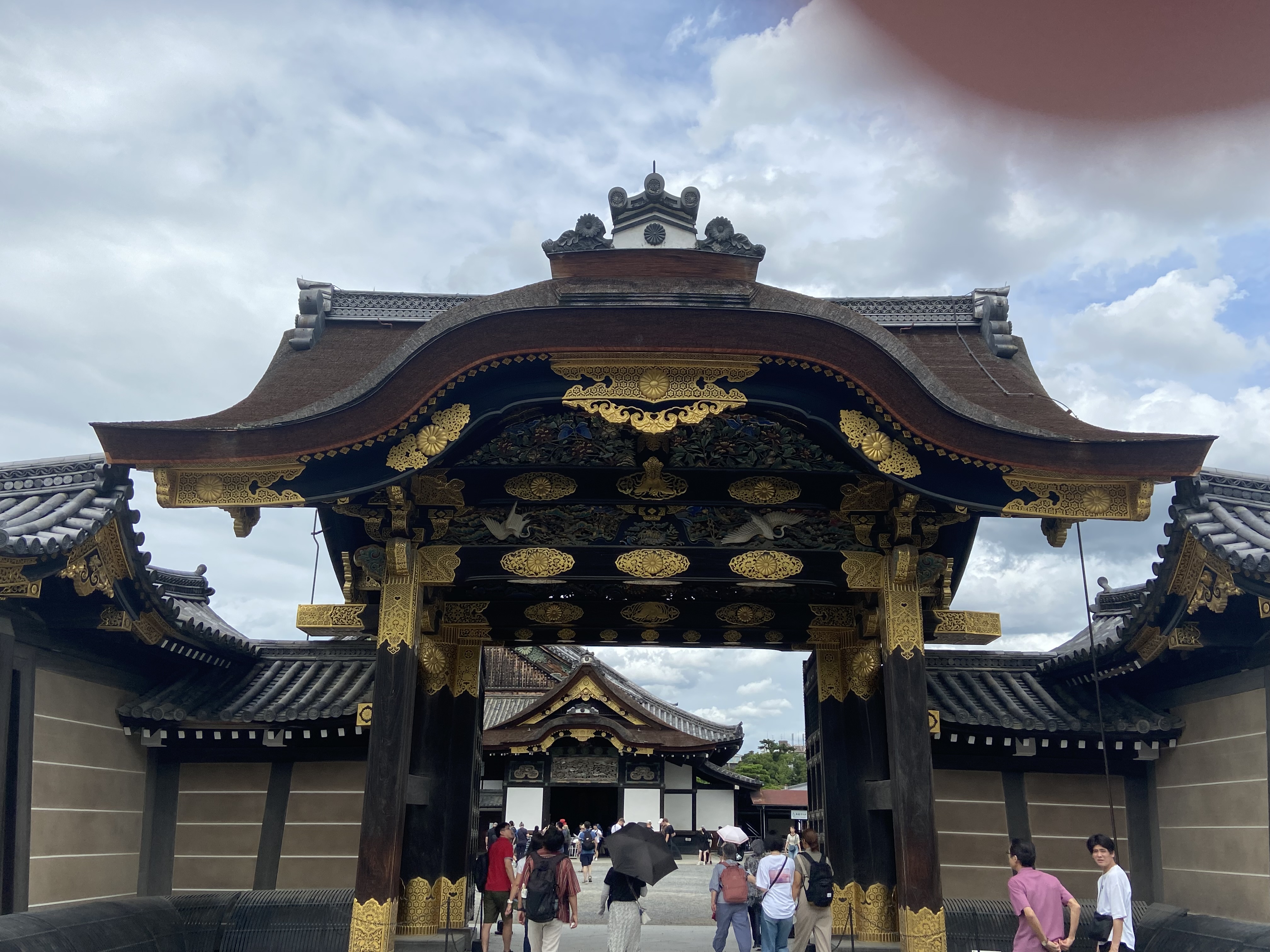
Next, it was on to the Nijo Castle, built in 1603 on orders of the first Shogun of the Edo Shogunate. It was here that Shogunate rule began and also ended, when in 1867, imperial rule was restored, ending 700 years of samurai reign. Today the castle is a World Heritage Site.
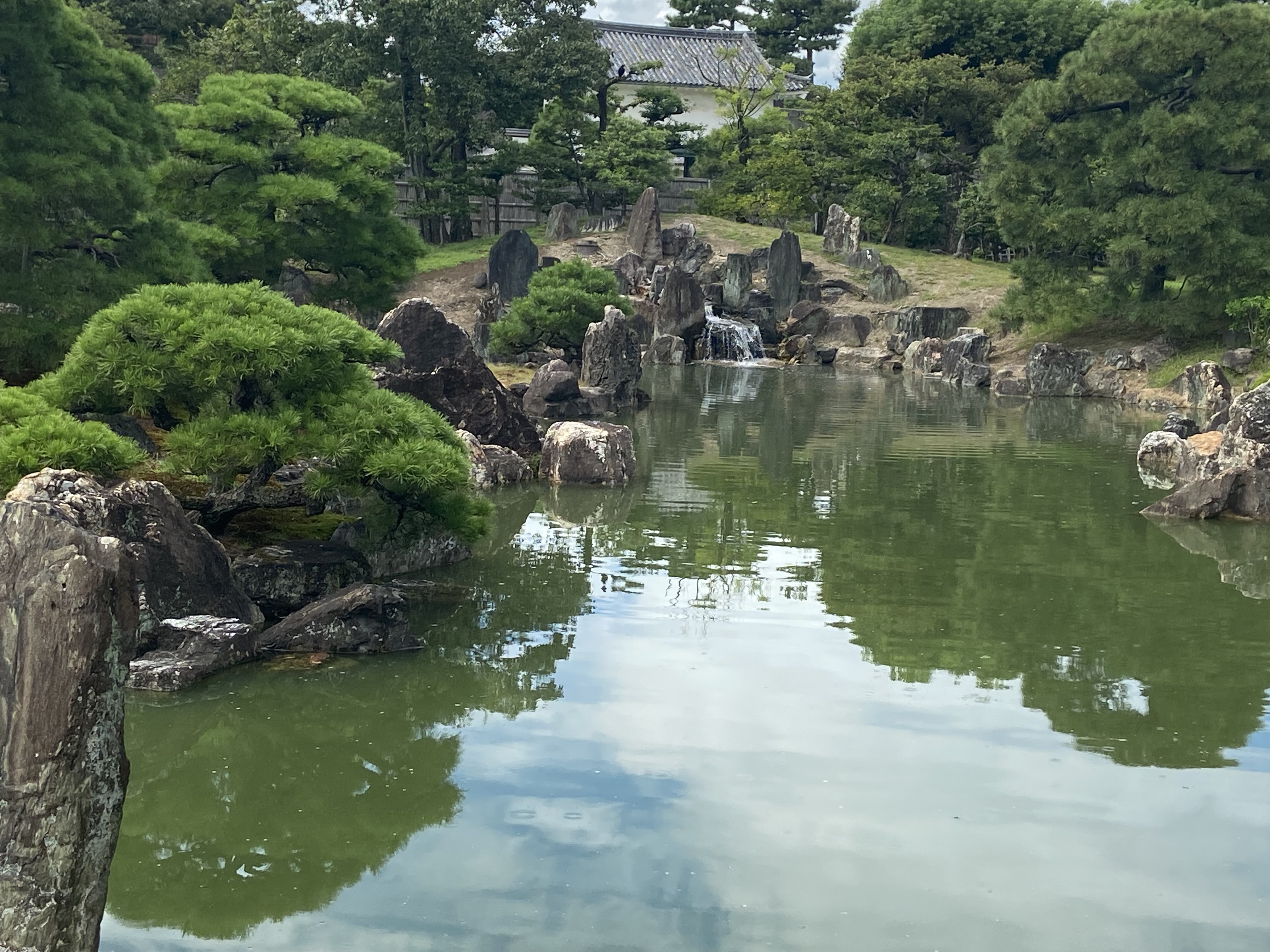
Another tranquil Japanese garden, of course, this one at the Nijo Castle. Looking at this photo of the shady trees and cool water, I find it hard to believe how hot I was that day as I strolled around.
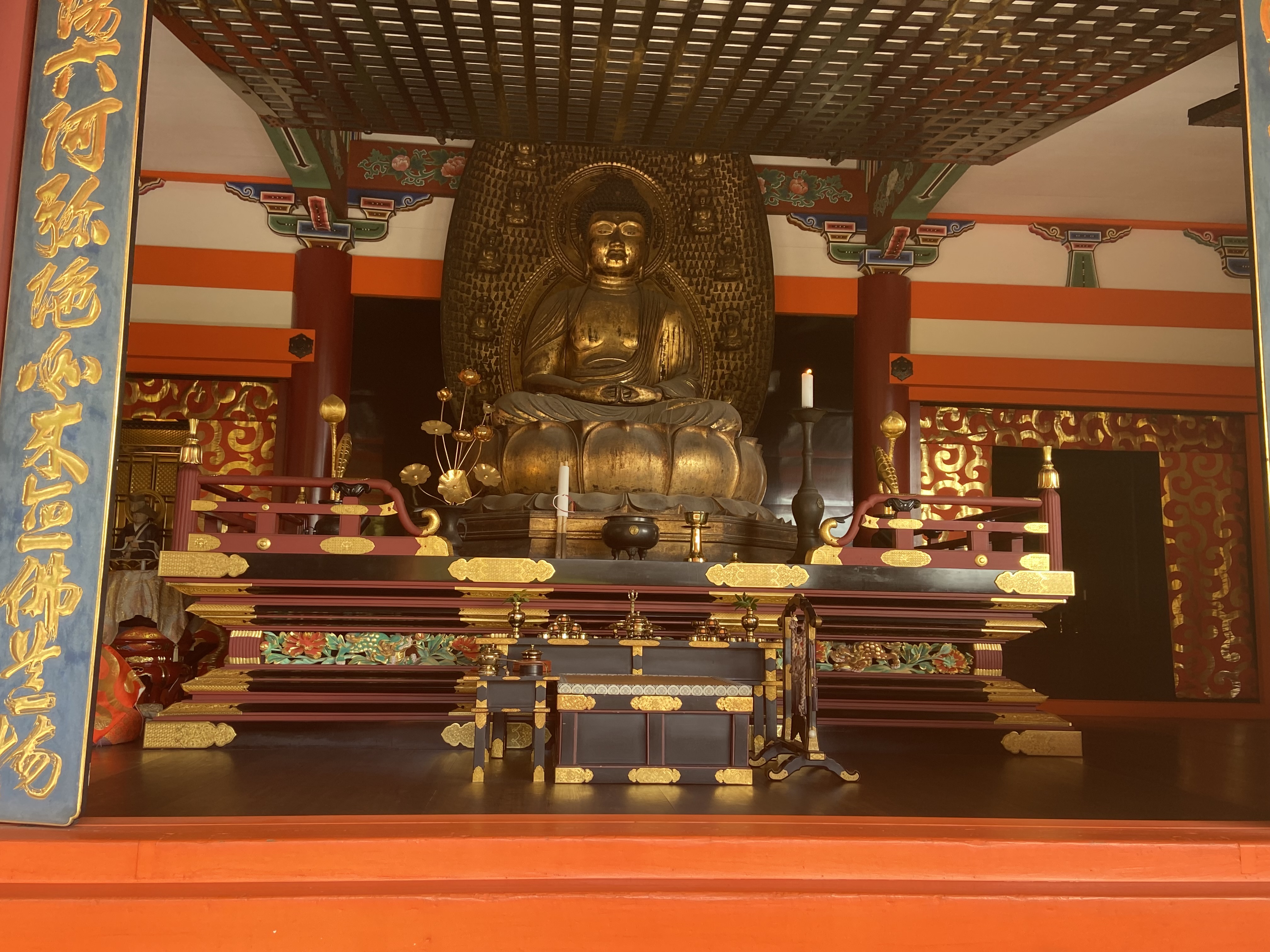
The final destination of our day in Kyoto was another temple. The Kiyomizu-Dera Temple, a favorite tourist site, was first built in 780. Remember if it’s a temple, it’s all about Buddha.

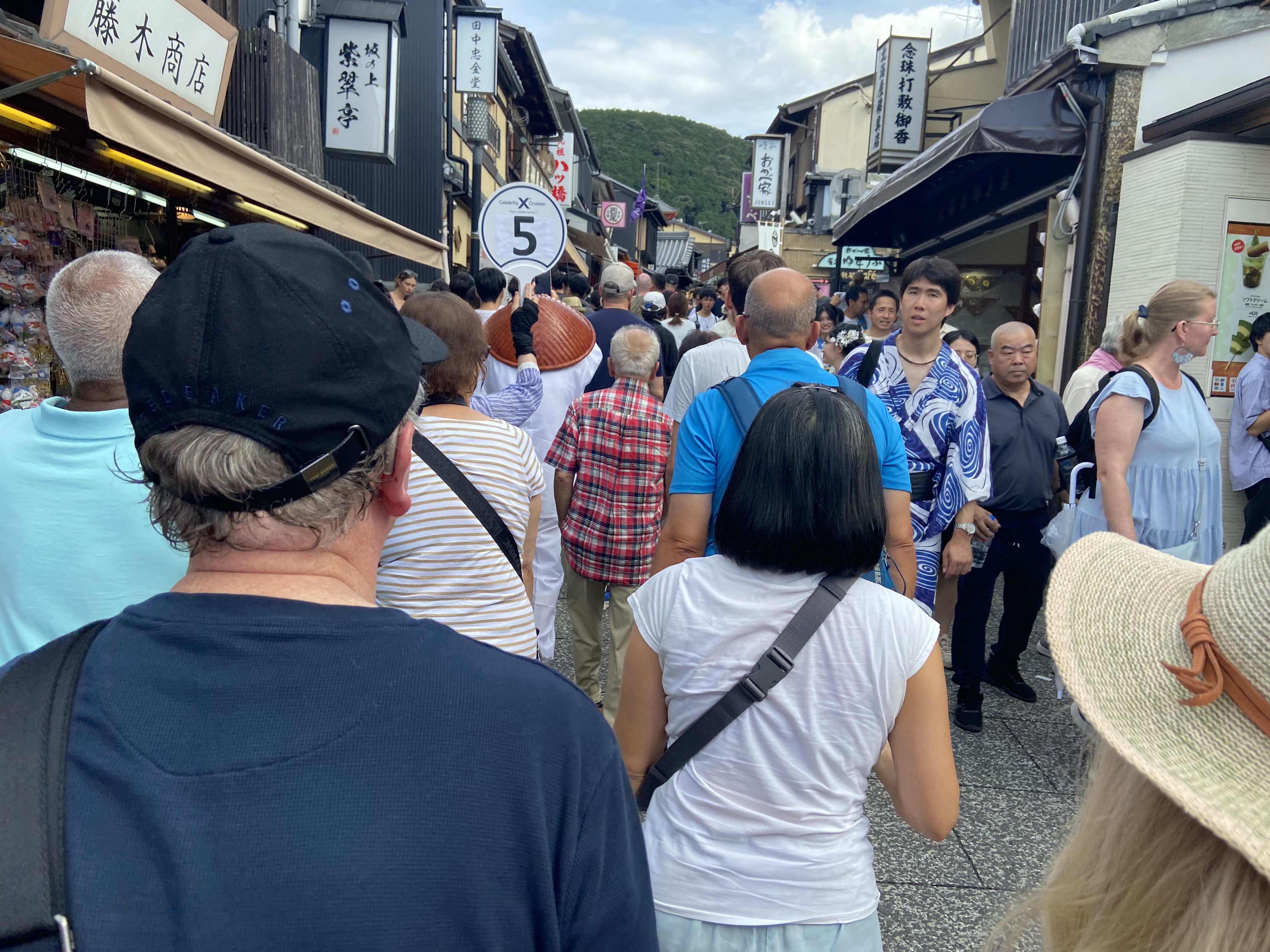
Our guide for the day hadn’t done her homework, so she was unable to tell us anything about the dragon parade that was going on during our visit to the Kiyomizu-Dera Temple. One thing for sure: this event drew a crowd!

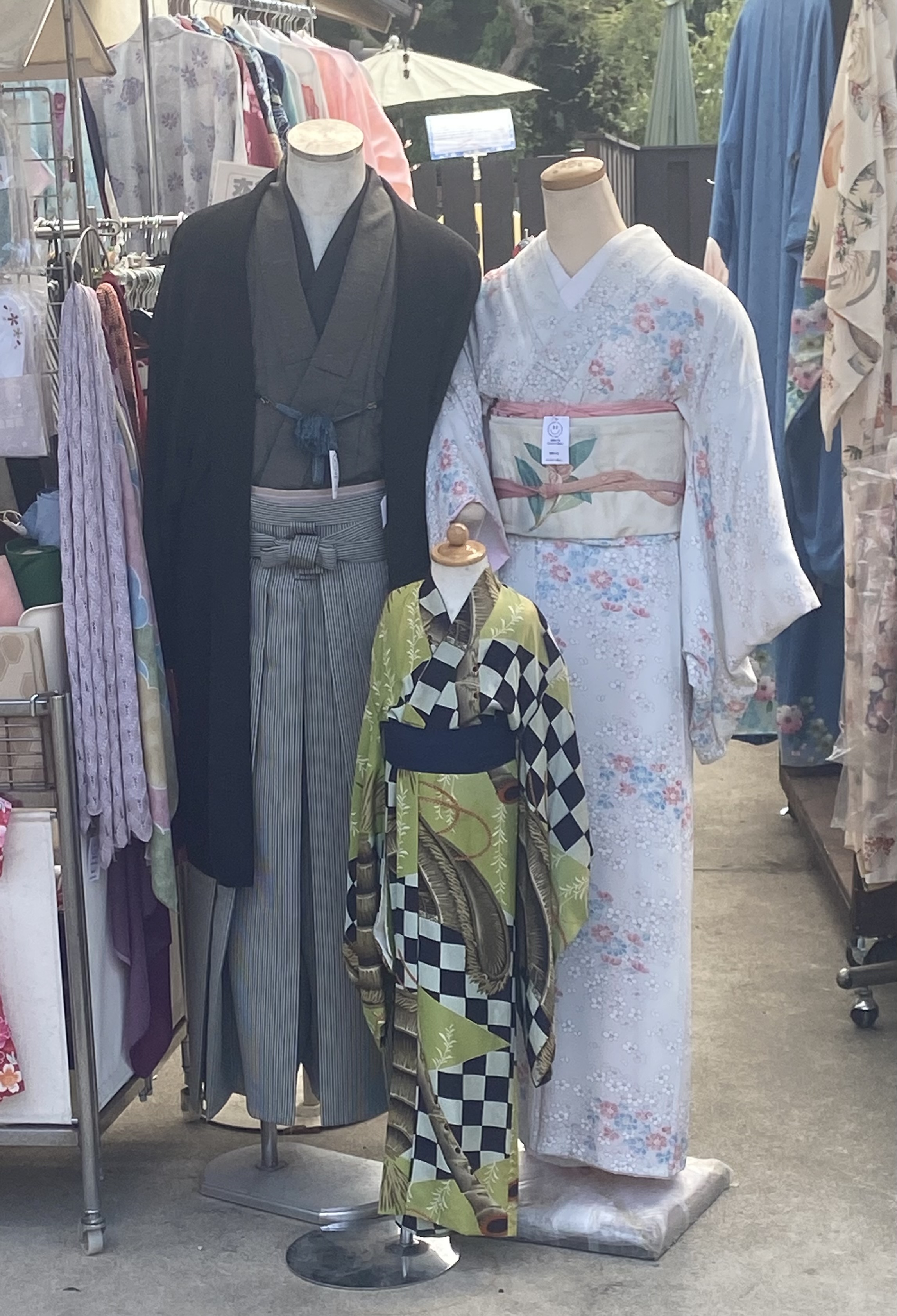
Shops nearby sold or rented kimonos for those who wished to dress for their visit to the temple. I would have died in the 90-degree heat wearing such an outfit.
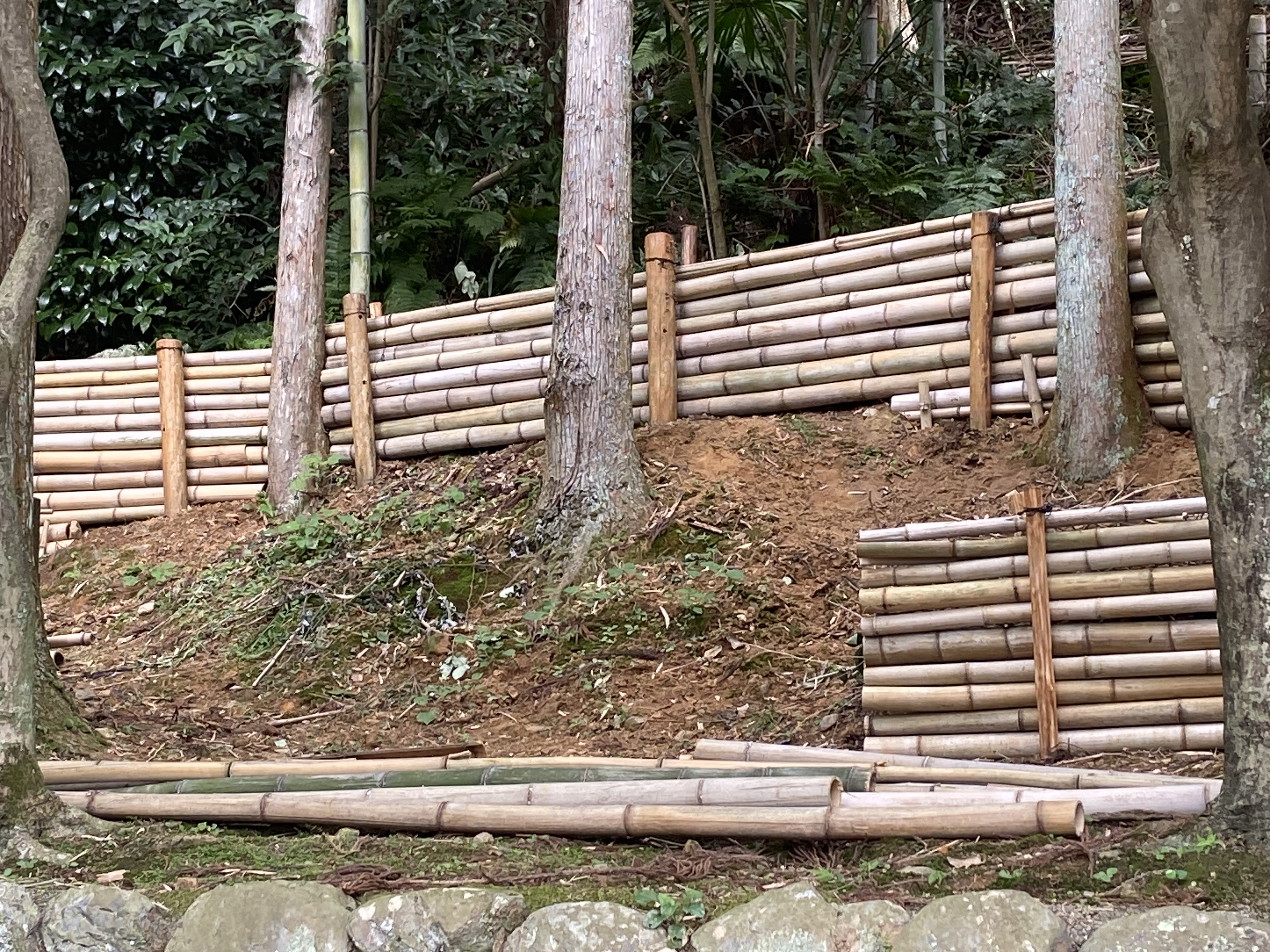
I snapped a picture of this grove of bamboo I passed on my walk to lunch. Farther along, I saw one of the uses of this pervasive Japanese plant. Kyoto, especially, is known for its bamboo forests.

The next two paragraphs are for history buffs.
Kyoto was on the initial list of possible target cities for the atomic bomb. The US Secretary of War at the time, Henry L. Stimson, is credited for saving the city. He noted that Kyoto was Japan’s ancient capital and the center of Japanese culture. Destroying the city, he argued, would not play well for the United States on the world stage. Also, he’d spent his honeymoon there and had fond memories of the city. (This second, personal reason is mentioned in the movie Oppenheimer.)

Thus, Kyoto was spared, and as we all know, Hiroshima and Nagasaki were not. More about these two cities, which we also visited, in a future blog.





 Patsy Pridgen