
I’m back from my mid-winter trip to Panama, where it was 90 degrees and very humid. It felt like August in eastern North Carolina, but I was near or on the water quite a bit, sightseeing and riding on the Panama Canal.
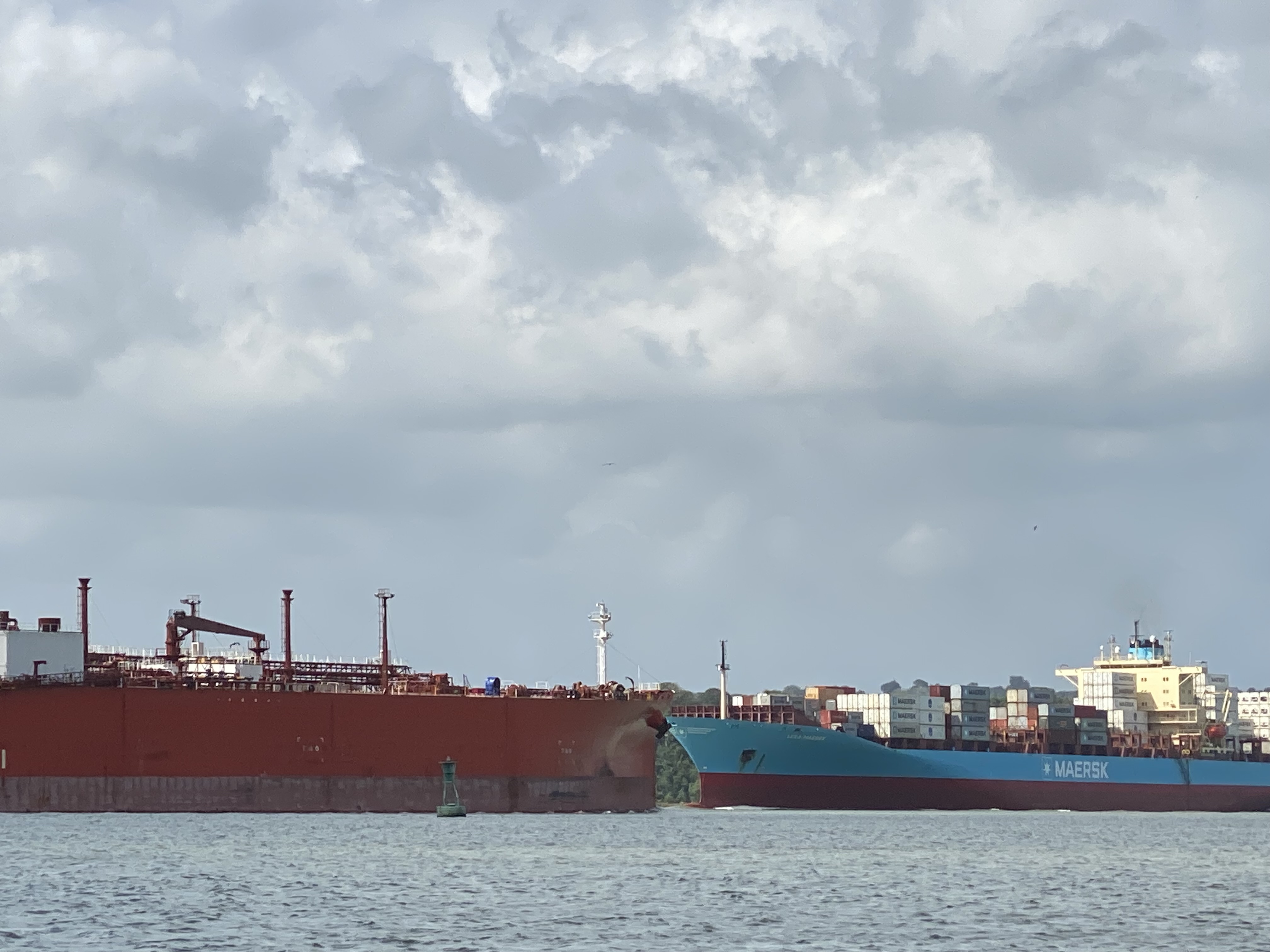

Yes, the man-made Panama Canal is without a doubt the number one tourist attraction in the small Central American country of Panama. This 51-mile waterway through the Isthmus of Panama connects the Atlantic Ocean with the Pacific, providing a huge shortcut for ships.
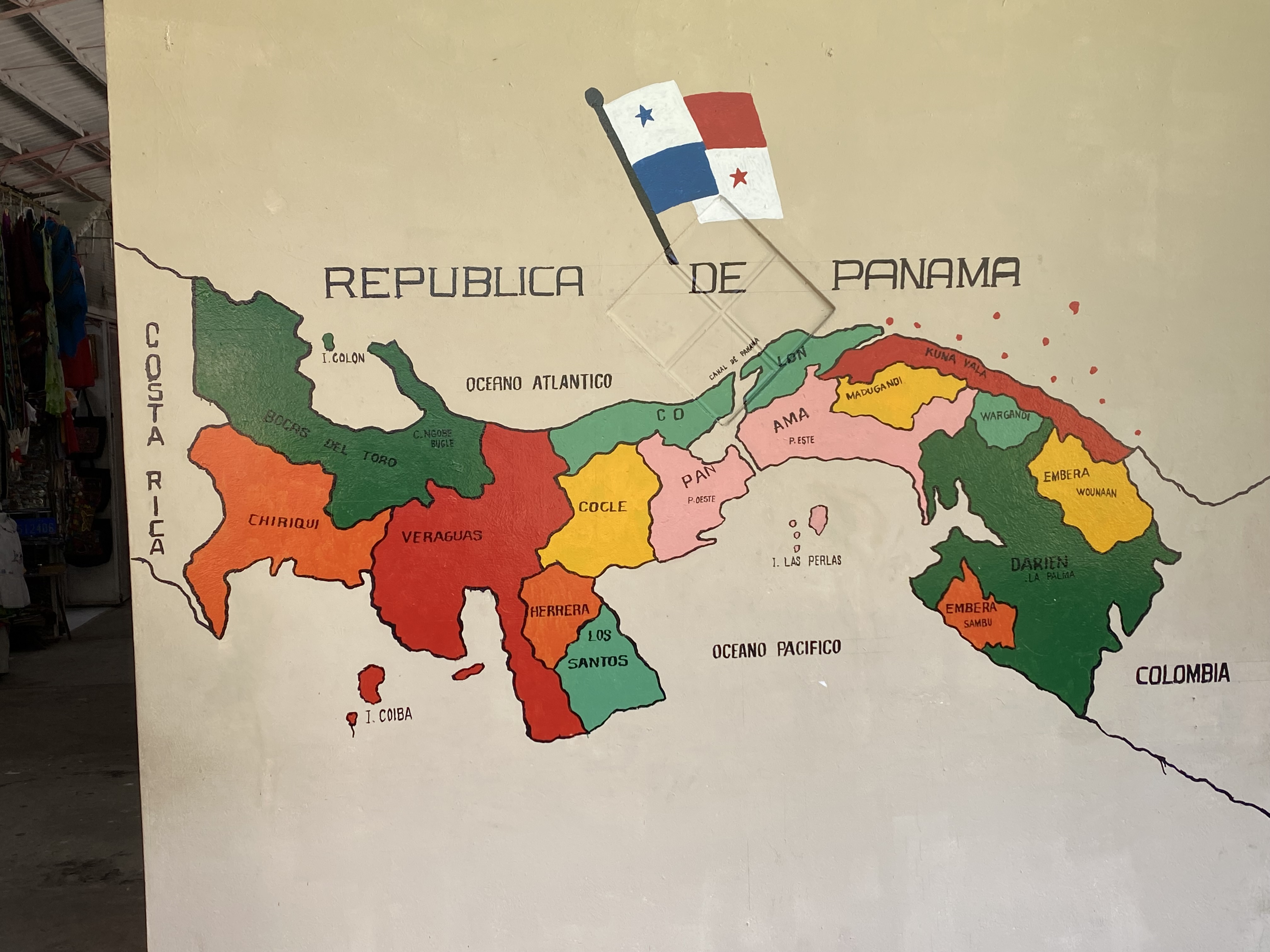
I’m not particularly interested in engineering, but I did pay enough attention to the tour guide to understand the basics of how the Canal operates. Locks at each end of the Panama Canal provide enough water to “lift” ships up to the artificially created Gatun Lake, a big body of water in the middle. Ships coming from both the Atlantic and Pacific meet here and pass one another. Then locks lower the ships at the other end of their journey.
Our tour group visited the Miraflores Locks, where spectator stands were set up for guests to witness the locks in action.


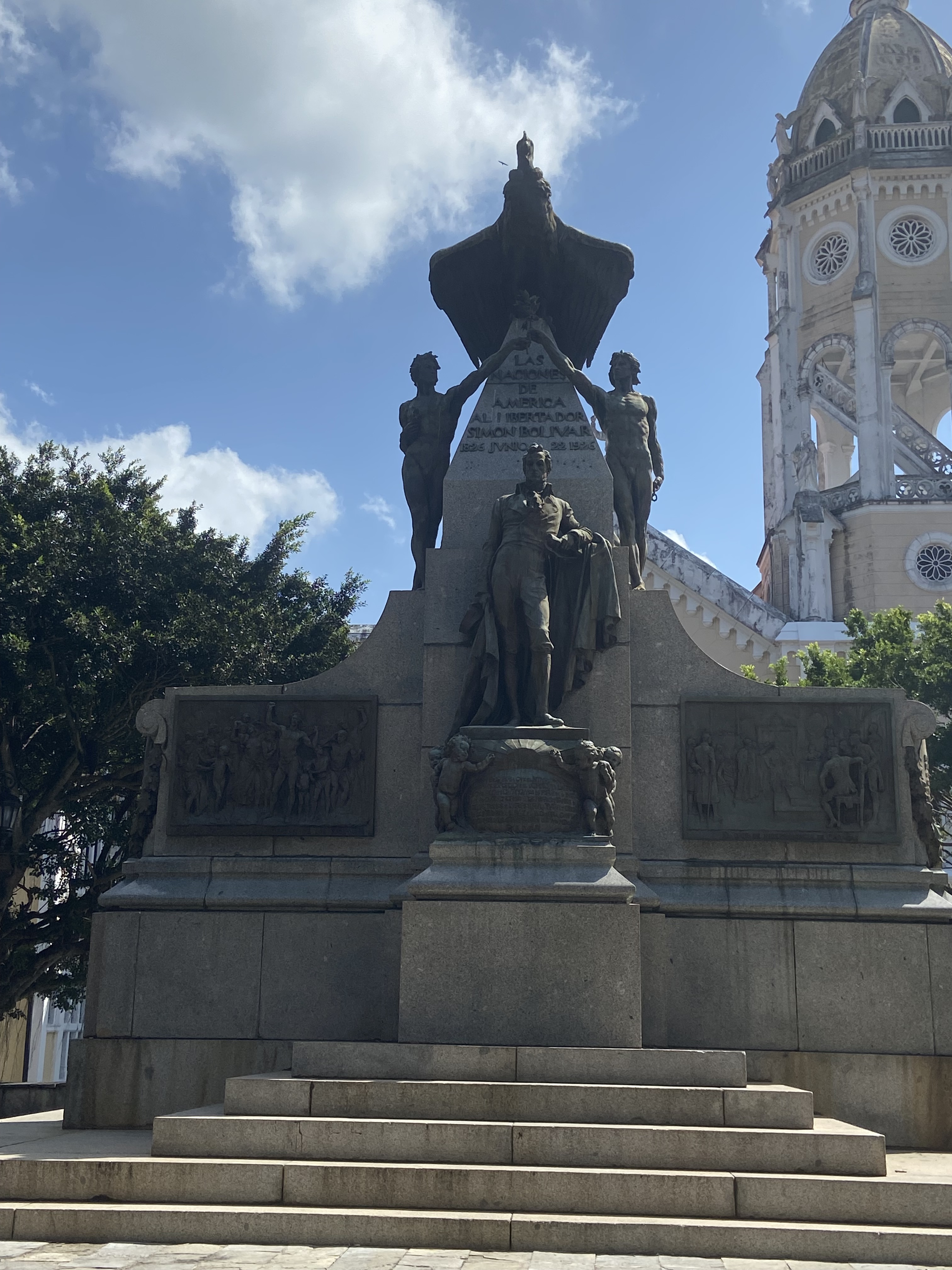
The Panama Canal was one of the most difficult engineering projects ever undertaken. Before the United States successfully completed the project in 1914, the French tried and failed, losing an estimated 22,000 workers. Many died from malaria and yellow fever, carried by mosquitoes, a scientific fact unknown at the time. Plaza de Francia in Casco Viejo, the Old City part of Panama City, pays tribute to these fallen workers. The statue in front is of Pablo Arosemena, one of Panama’s founding fathers.

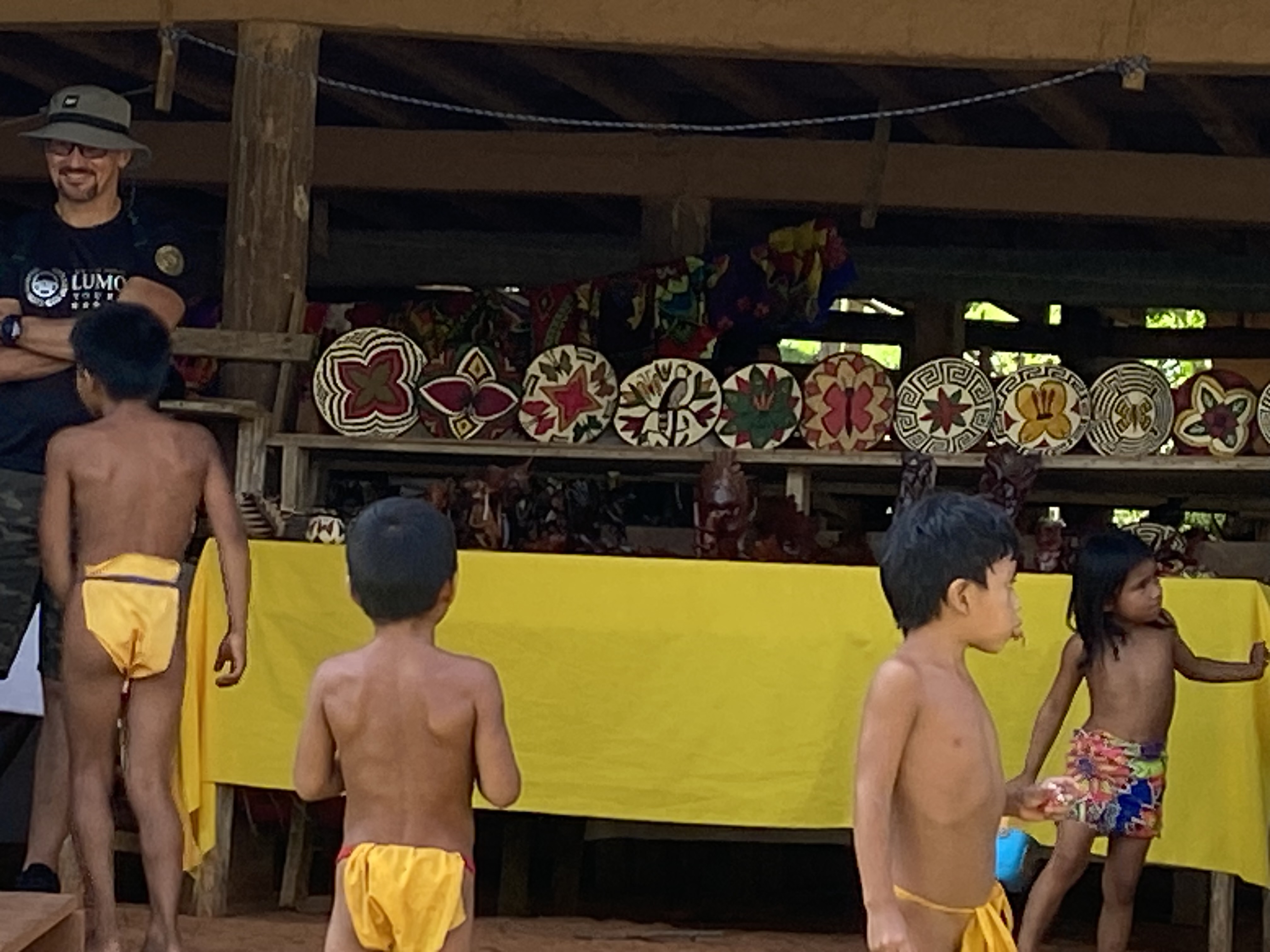
As fascinating as it is, the Panama Canal is not the only attraction in Panama. Our tour group left modern civilization in Panama City to visit an Embera tribal village in the heart of a rainforest. This Panamanian indigenous tribe attempts to preserve its culture by maintaining a simple lifestyle, fishing and selling handmade crafts (see my earrings in the first picture above).
Our tour group arrived via a motorized dugout canoe.

A lunch of fried fish (very fresh) and plantains was prepared for us, and we were entertained by dancers.


There was time to shop and pose with the medicine man.

As a garden club lady, I’m always interested in what’s blooming everywhere. Since most of my winter yard at home is without color right now, I was happy to see all the beautiful flowers of Panama. I recognized bougainvillea, but extensive research will be required to identify all these other exotic species.


The animal life of this tropical country was often entertaining. What’s more fun to watch than monkeys?

Panama is known for the sloth. Not a lot of activity here, hence the term, slothful.

Panama City itself can be all shiny and new. I was not expecting so many skyscrapers.

But the city has a history. There’s something call Old Panama, which is now just ruins after the English-sanctioned pirate Henry Morgan ransacked the place in 1671.


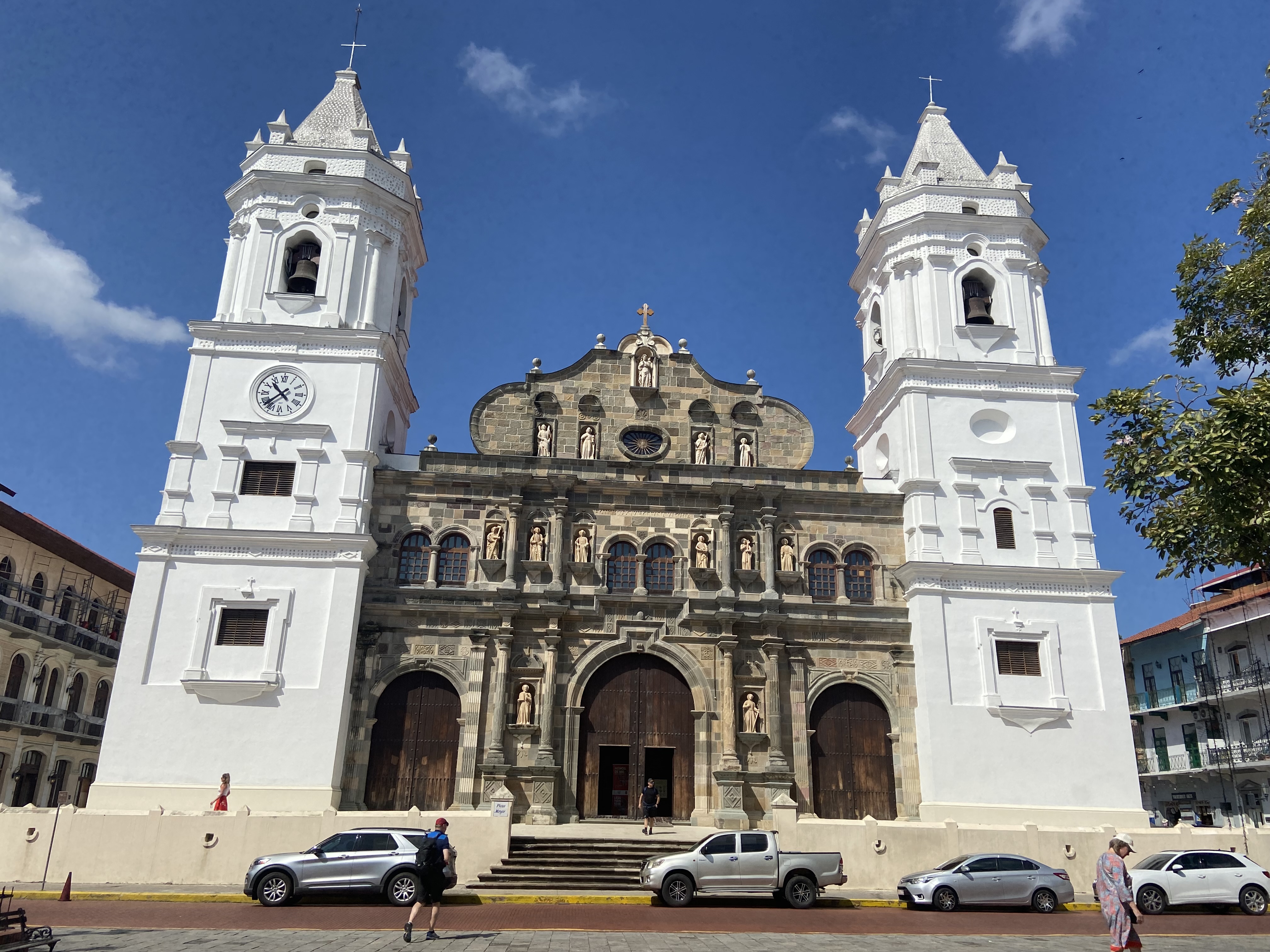
There’s also another old Panama City a short Uber ride away from the current capital. This historic district is called Casco Viejo (Old City) and has a great deal more to see than in Old Panama. Casco Viejo was built not long after the destruction of the first capital and features plazas, ornate churches, museums, shops, and restaurants. A fun day can be spent in Casco Viejo.


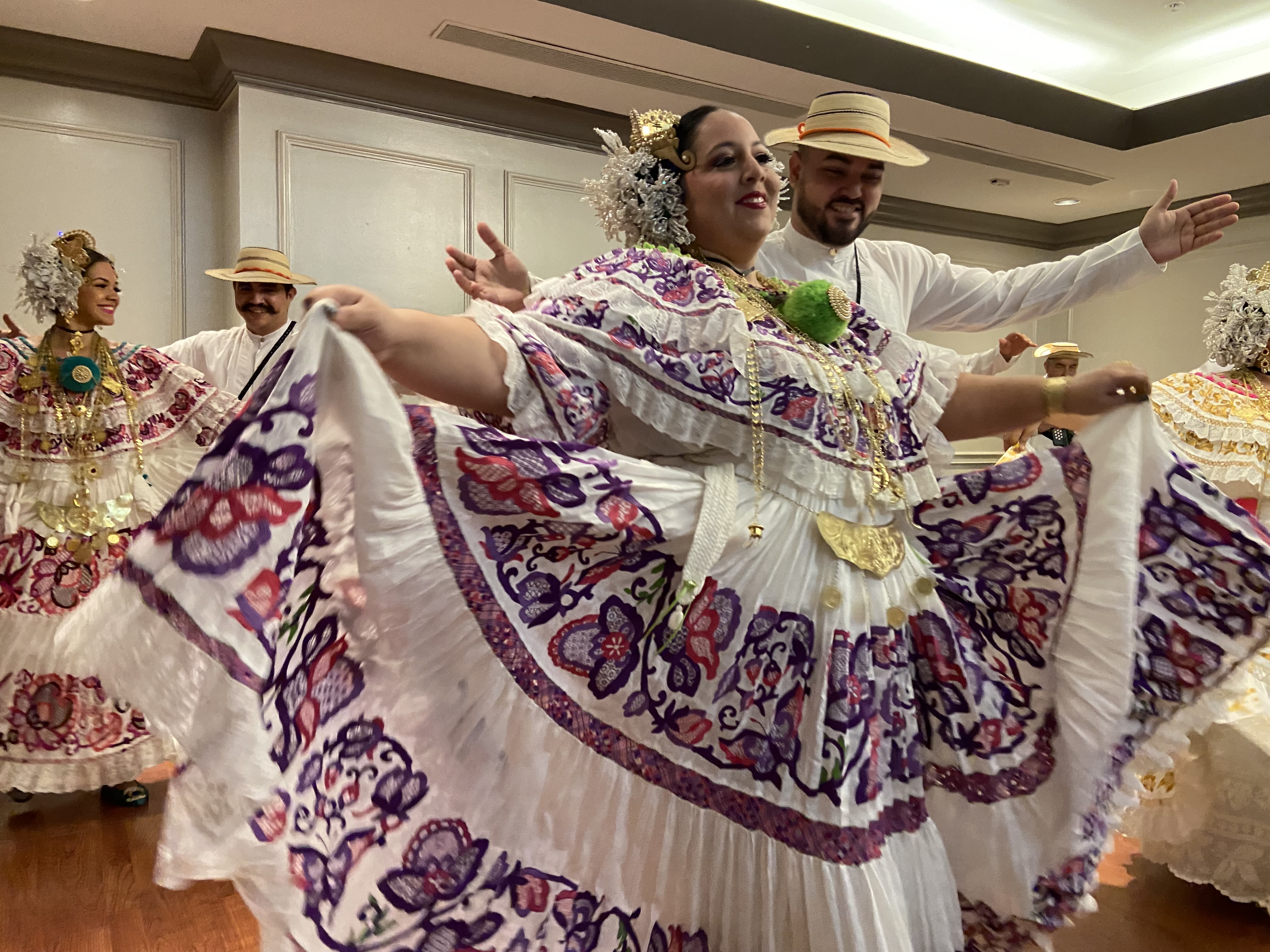
Our tour group leader arranged a couple of special dance performances for us. Panamanian dancers are lively and colorfully attired.
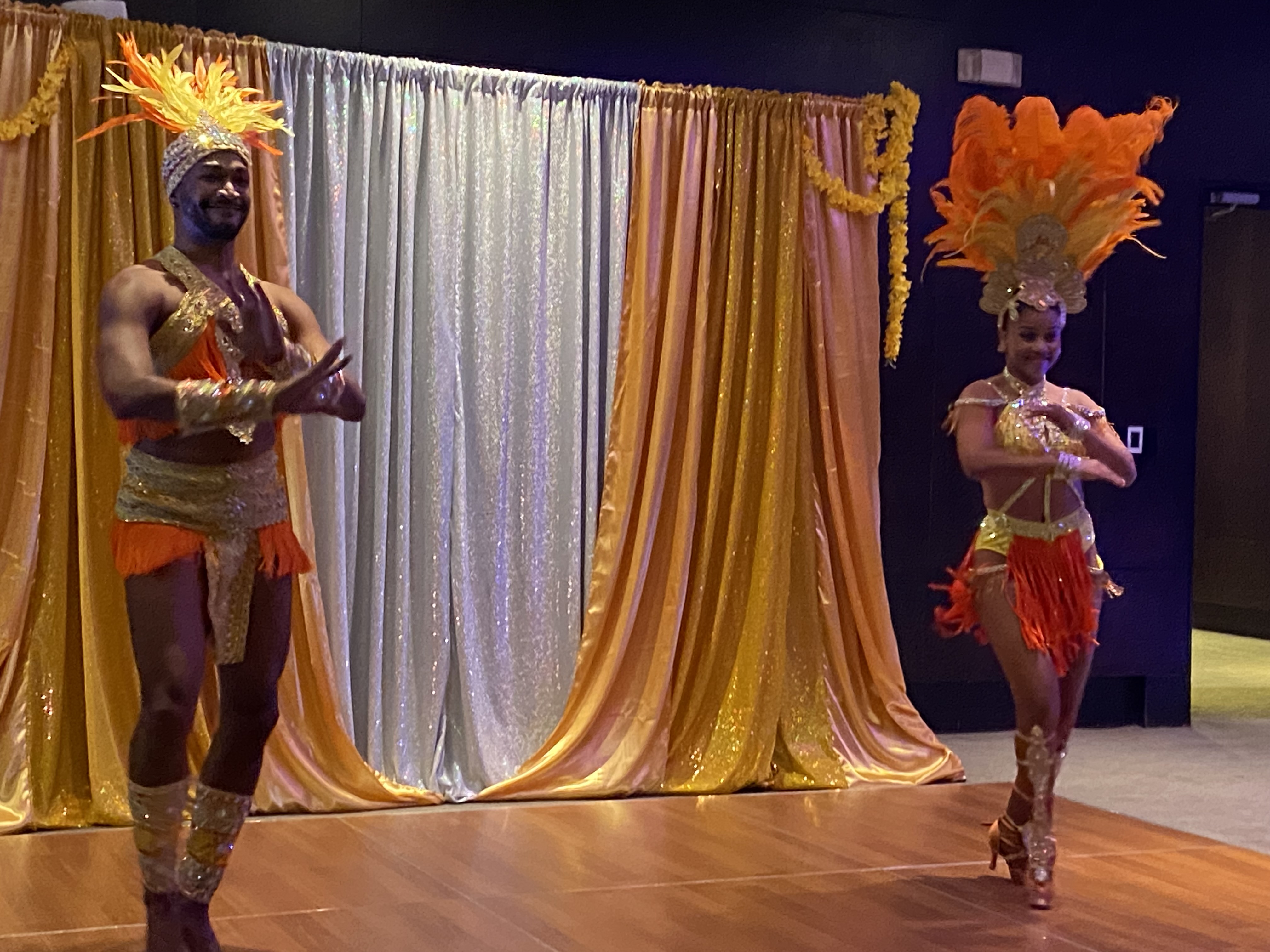
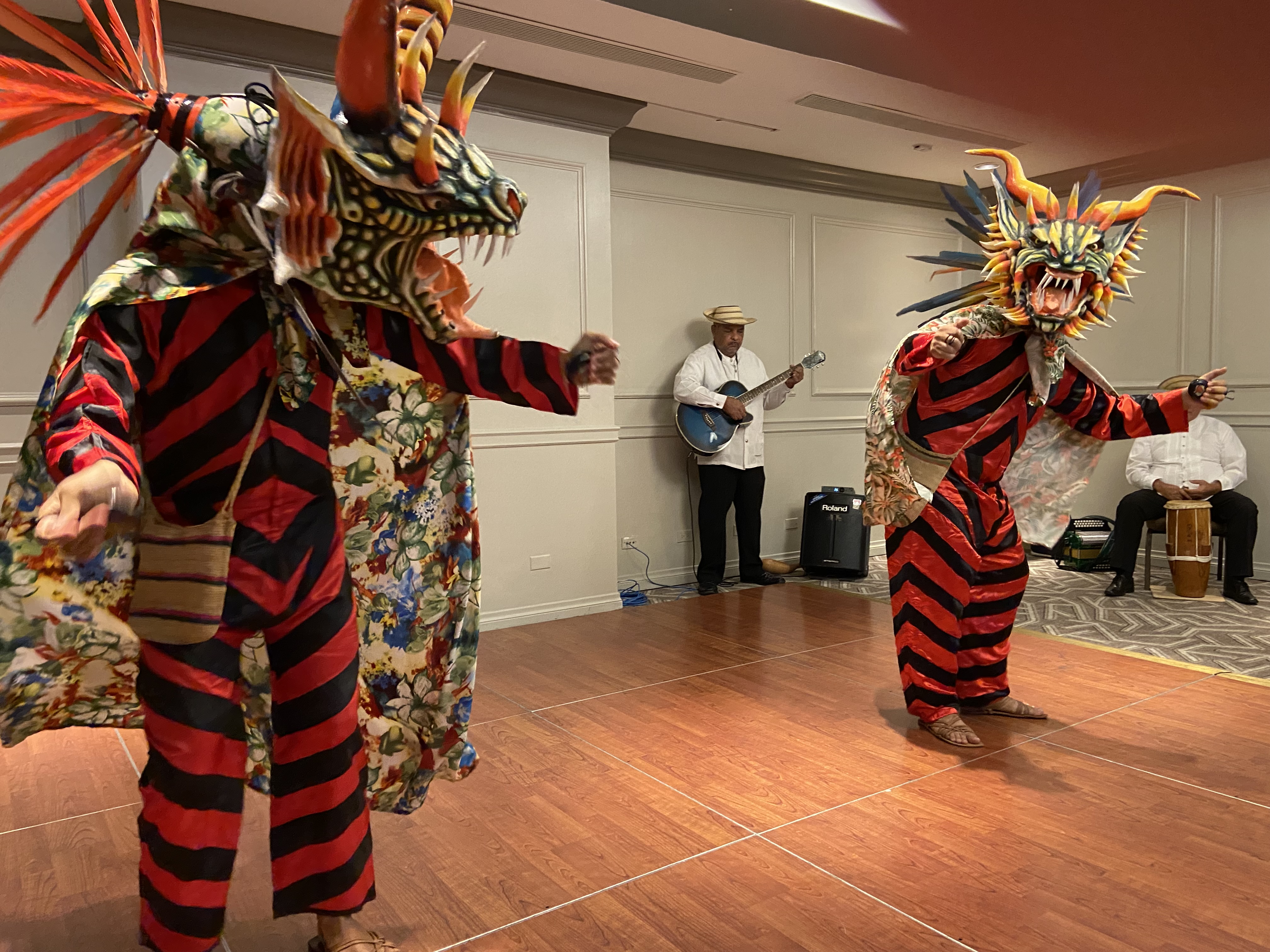
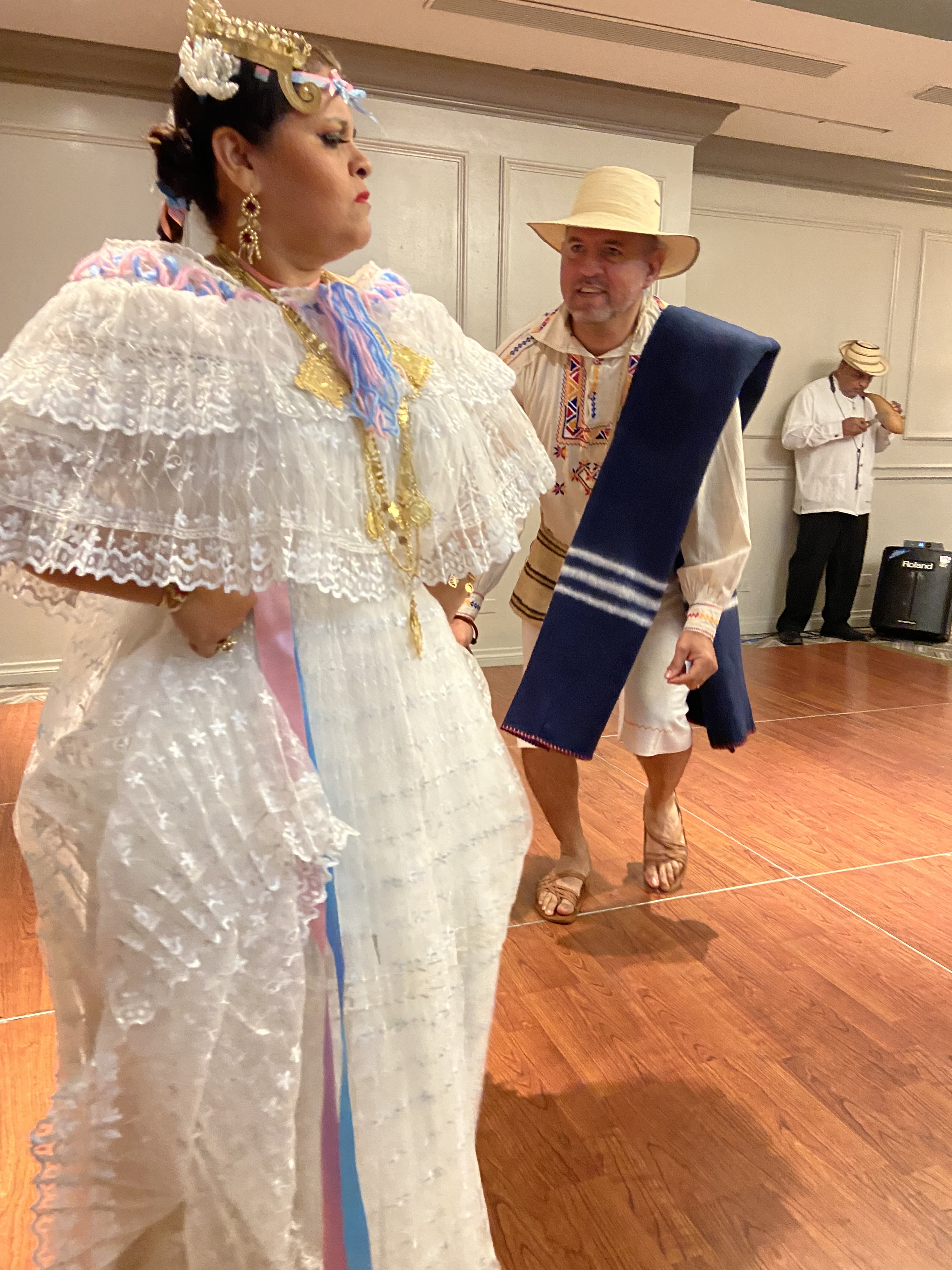
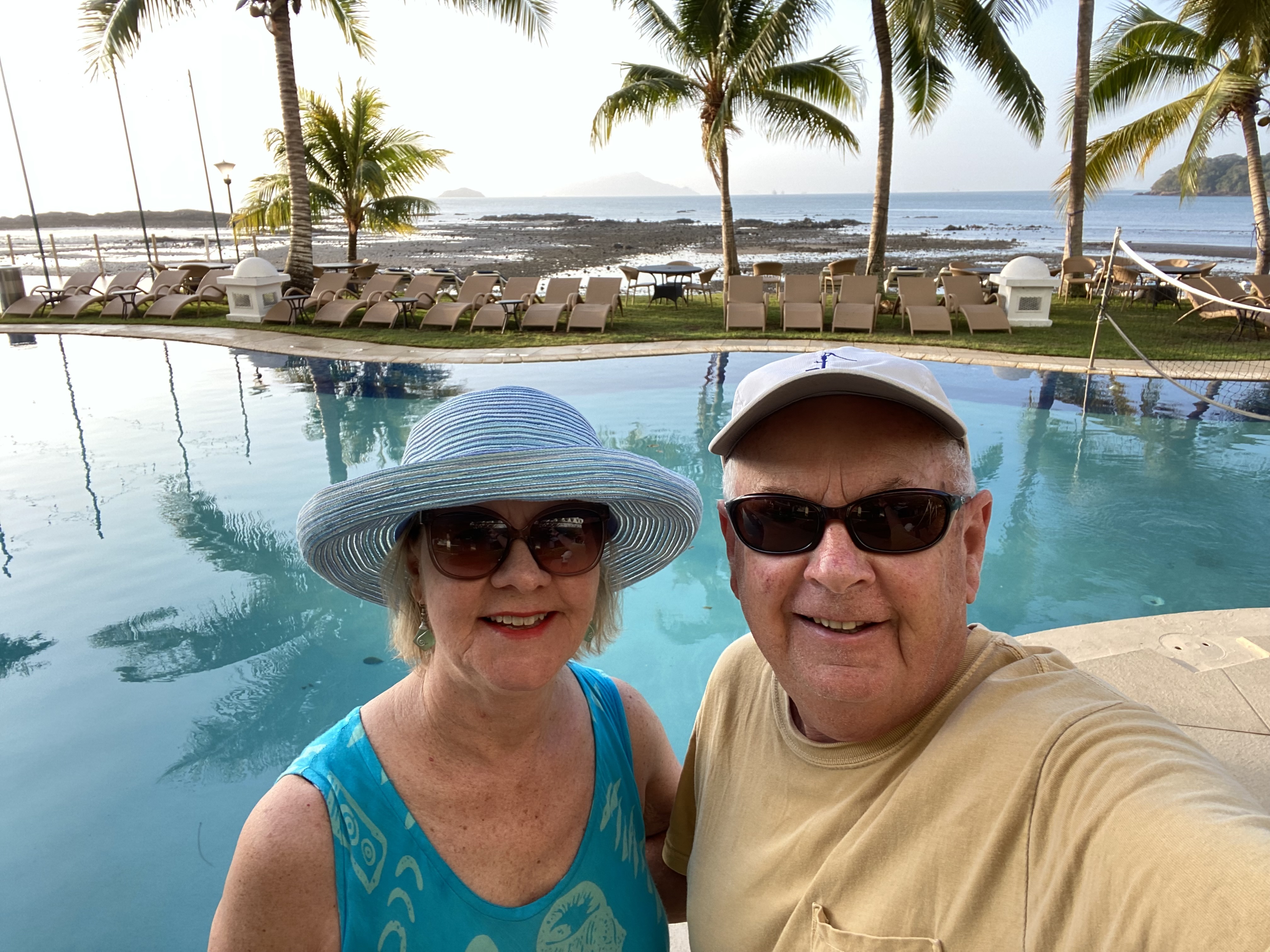
Our tour group spent a day and a half at the Playa Bonita Resort, so the eight-day excursion to Panama was a nice blend of educational activities, fun, and relaxation. My favorite type of trip!




 Patsy Pridgen
How fun to read of your adventures
<
div>Caro
LikeLike