Ottawa, the capital, is another Canadian big city, but the only one where my husband and I encountered a giant spider sculpture, Hitler’s Mercedes limousine, and Obama cookies.
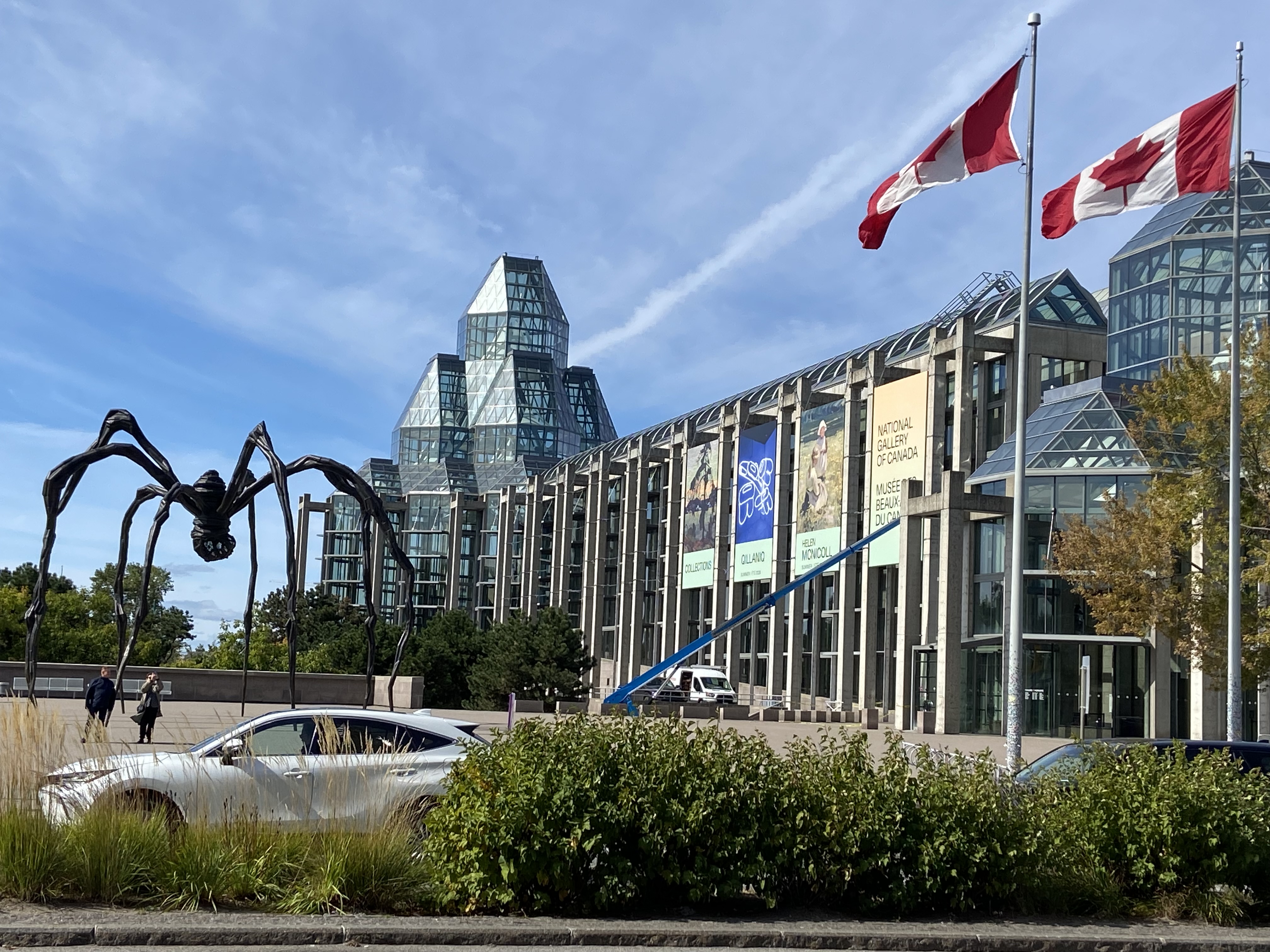
We happened to glimpse the monumental spider sculpture across the street when we were getting off our tour bus. Thanks to Google, I learned the work is by Louise Bourgeois, and it symbolizes maternal strength and protection. I must say I never thought of a spider that way.
The impressive building in the background is the National Gallery of Canada.
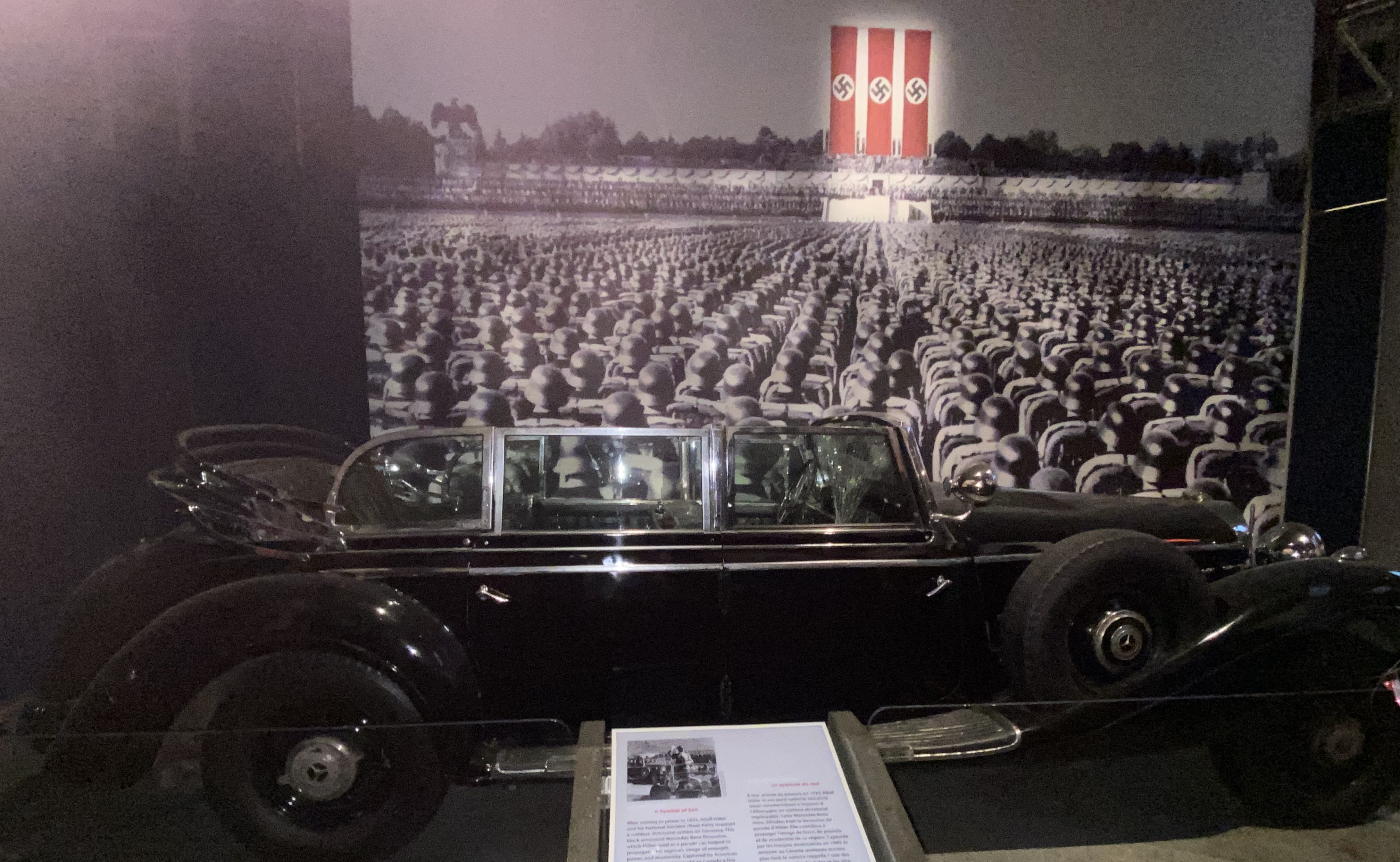
We didn’t tour the National Gallery, but we did visit the fascinating Canadian War Museum. Here is where we unexpectedly discovered Hitler’s Mercedes limousine, used by him in parades. The car is in front of a giant photo of a Nazi rally held in Nuremberg.
How did Hitler’s limo wind up in Canada? The car was captured by American troops in 1945 and converted into a U.S. Army staff vehicle. In 1956, it was sold to a Montreal collector, Herbert O’Connell. Later it became the property of Quebec attorney Claude Pratt, who donated it to the Canadian War Museum in 1970.
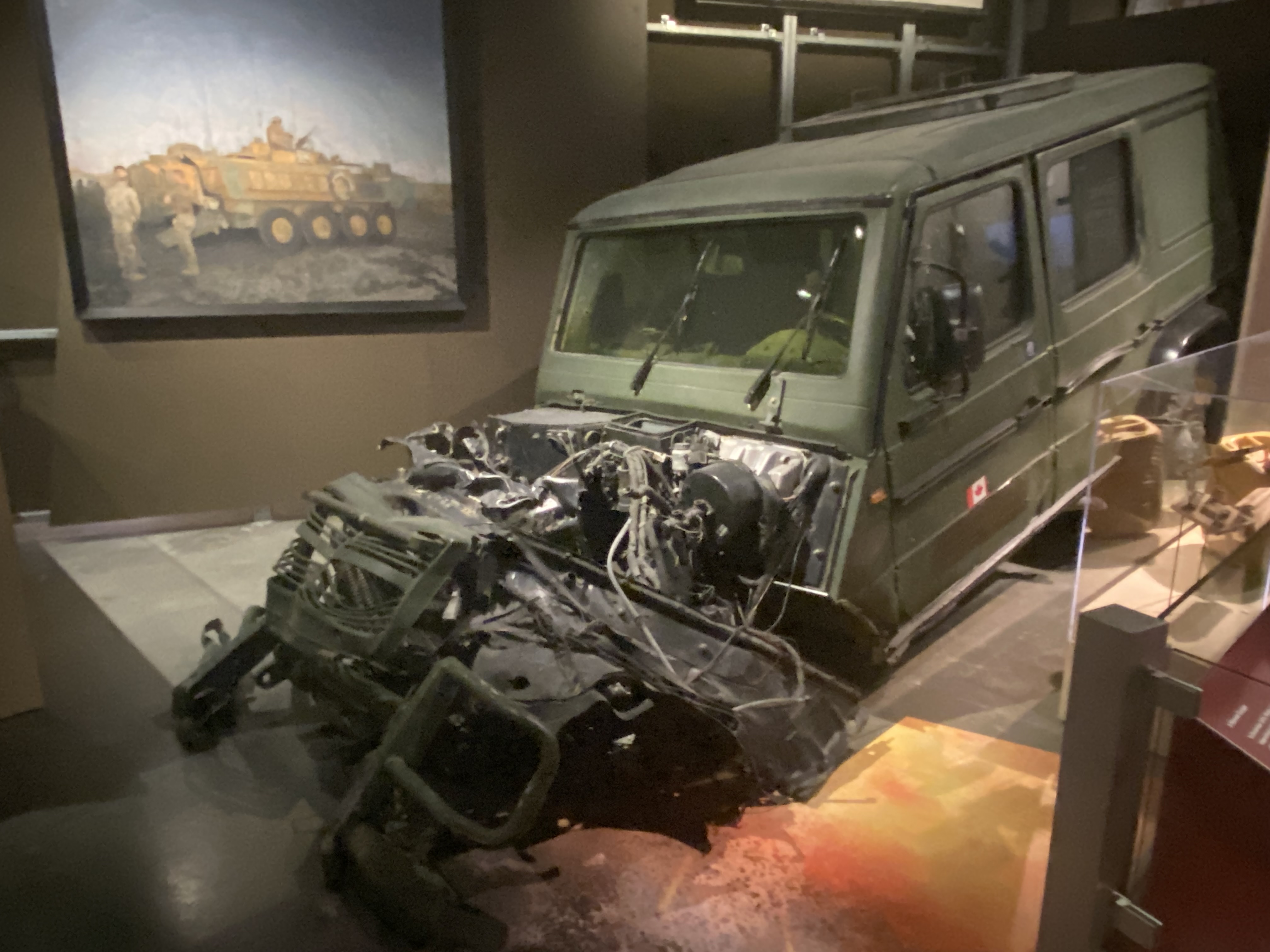
Another striking display was labeled “A Narrow Escape.” In 2005, the front of this vehicle was destroyed by a detonated improvised explosive device used by Afghan insurgents. Although the engine was thrown nearly 23 feet, the occupants were saved by the vehicle’s protective devices.
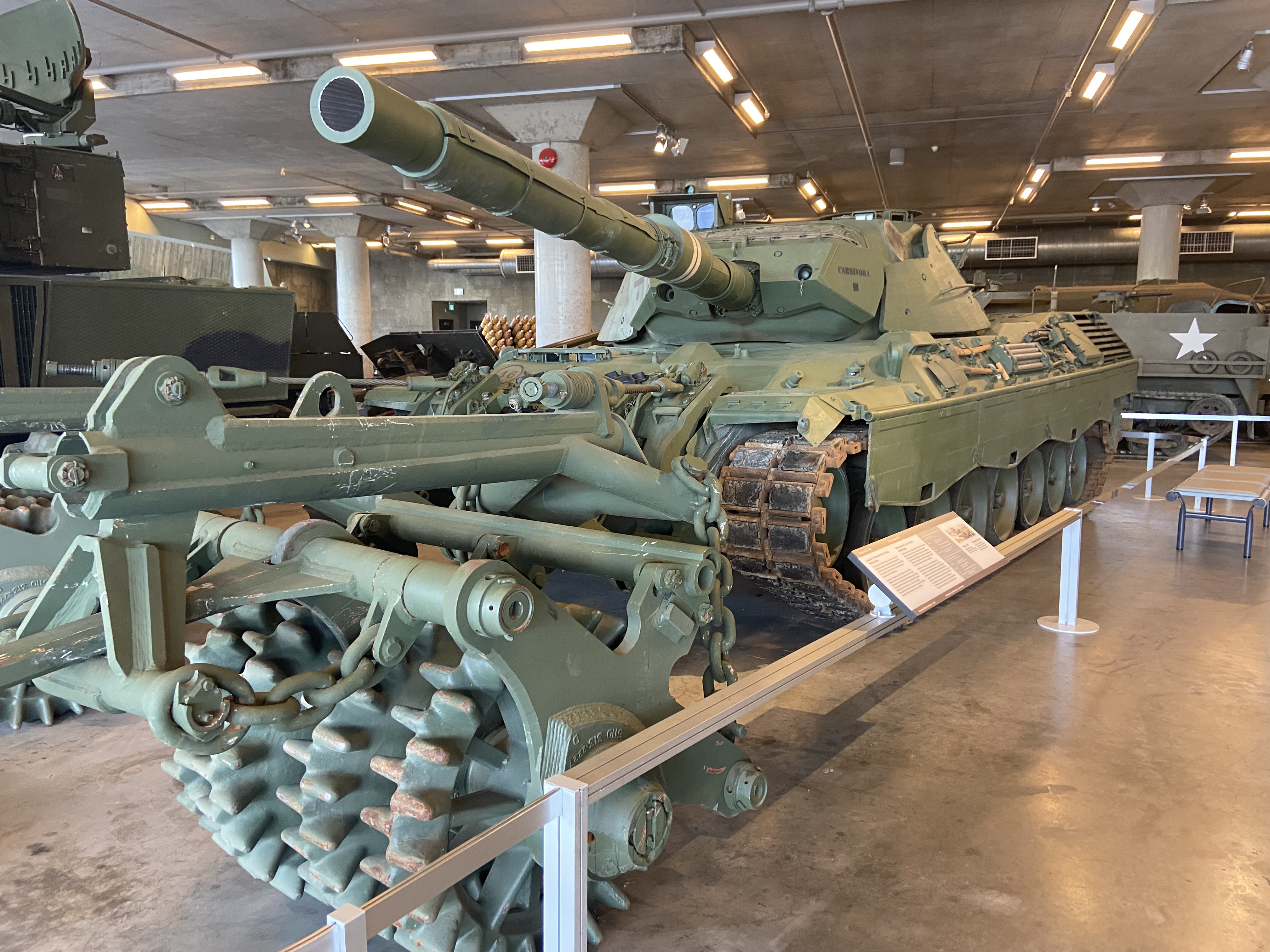
We had an excellent guide in this museum, who led us into a simulated World War I trench and described the conditions endured by young soldiers on the battlegrounds of Europe. At the end of our tour, he directed us to the bottom floor, where all types of military equipment are displayed. So much money spent on the machines of war.
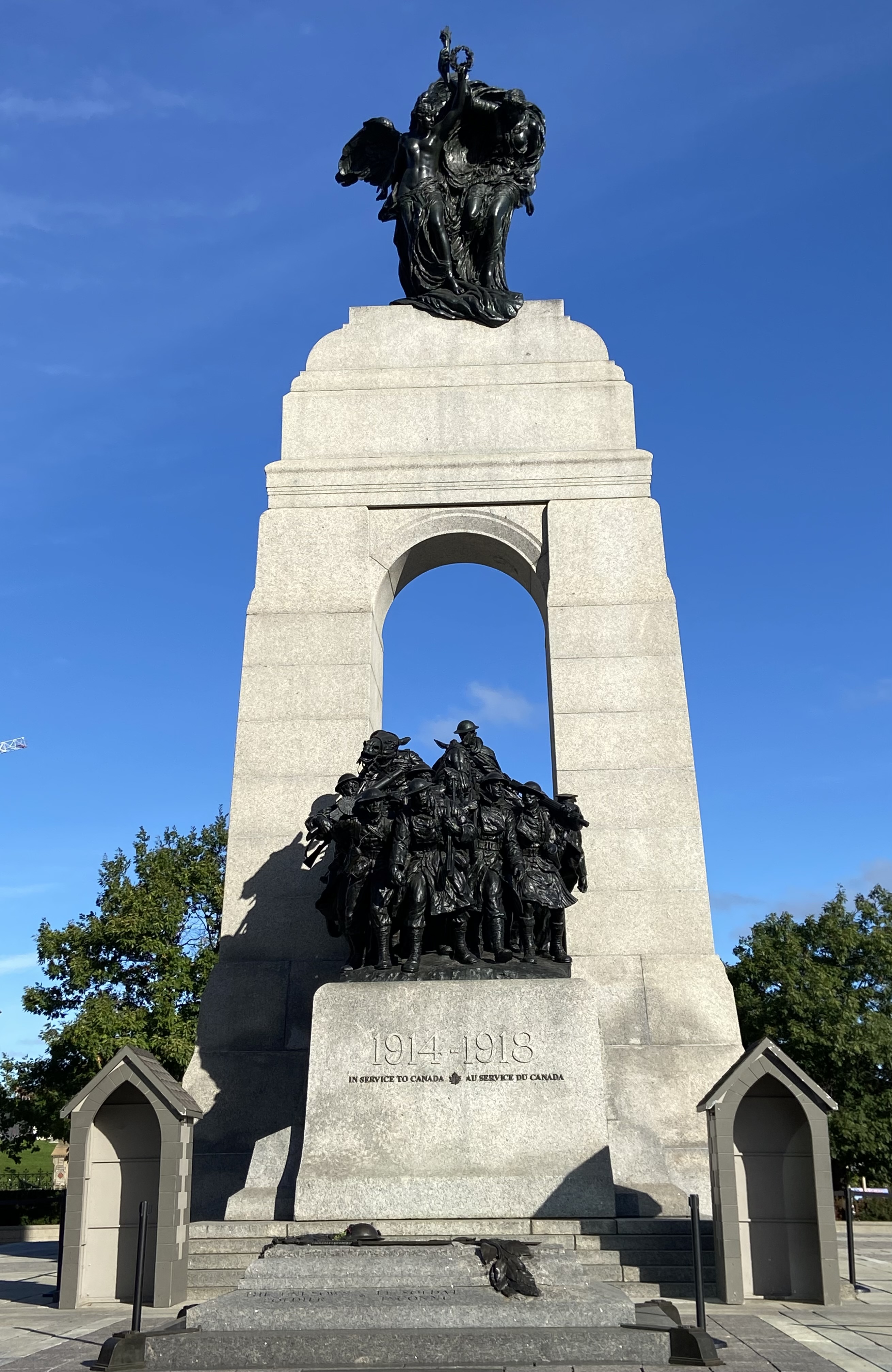
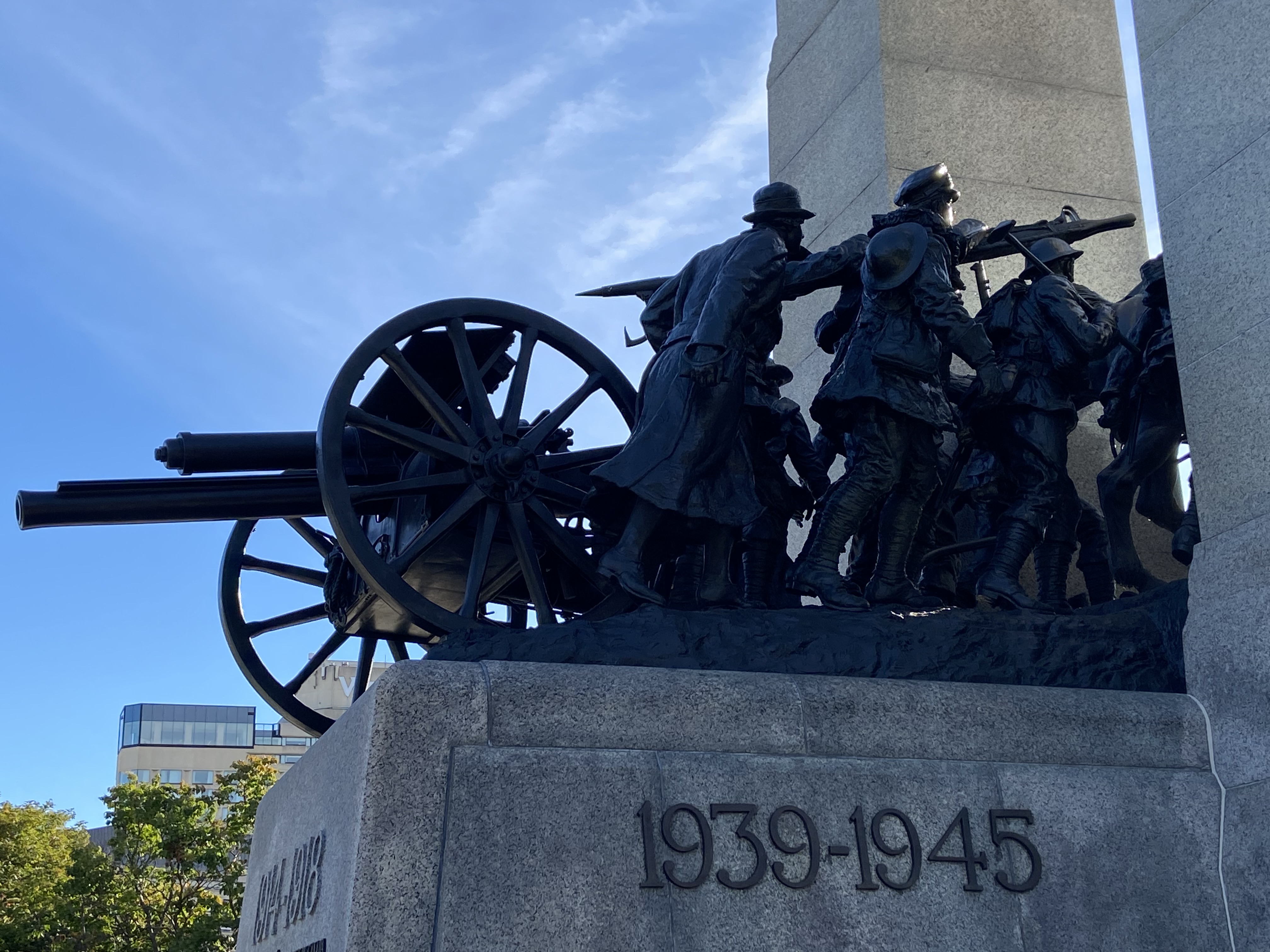
The National War Memorial in Ottawa is a tribute to all Canadians who served in wars. There’s even a recognition of the contributions of women in World War II, as one of the figures on the back side of the monument is a female in a skirt and heels.
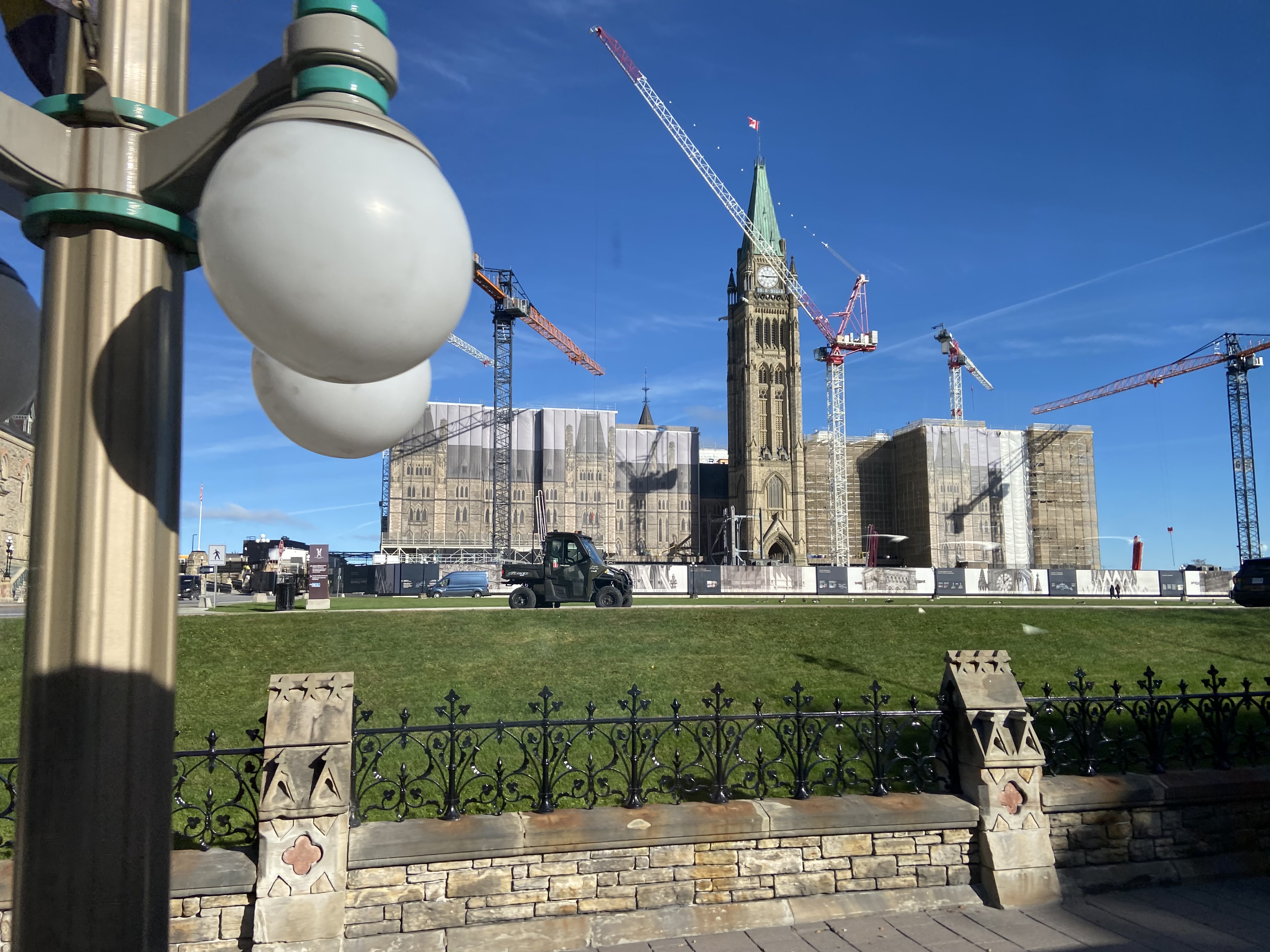
I don’t think I’ve been to any major city recently where some important structure wasn’t under repair or renovation. In Ottawa, the cranes marred the appearance of the Parliament Building.
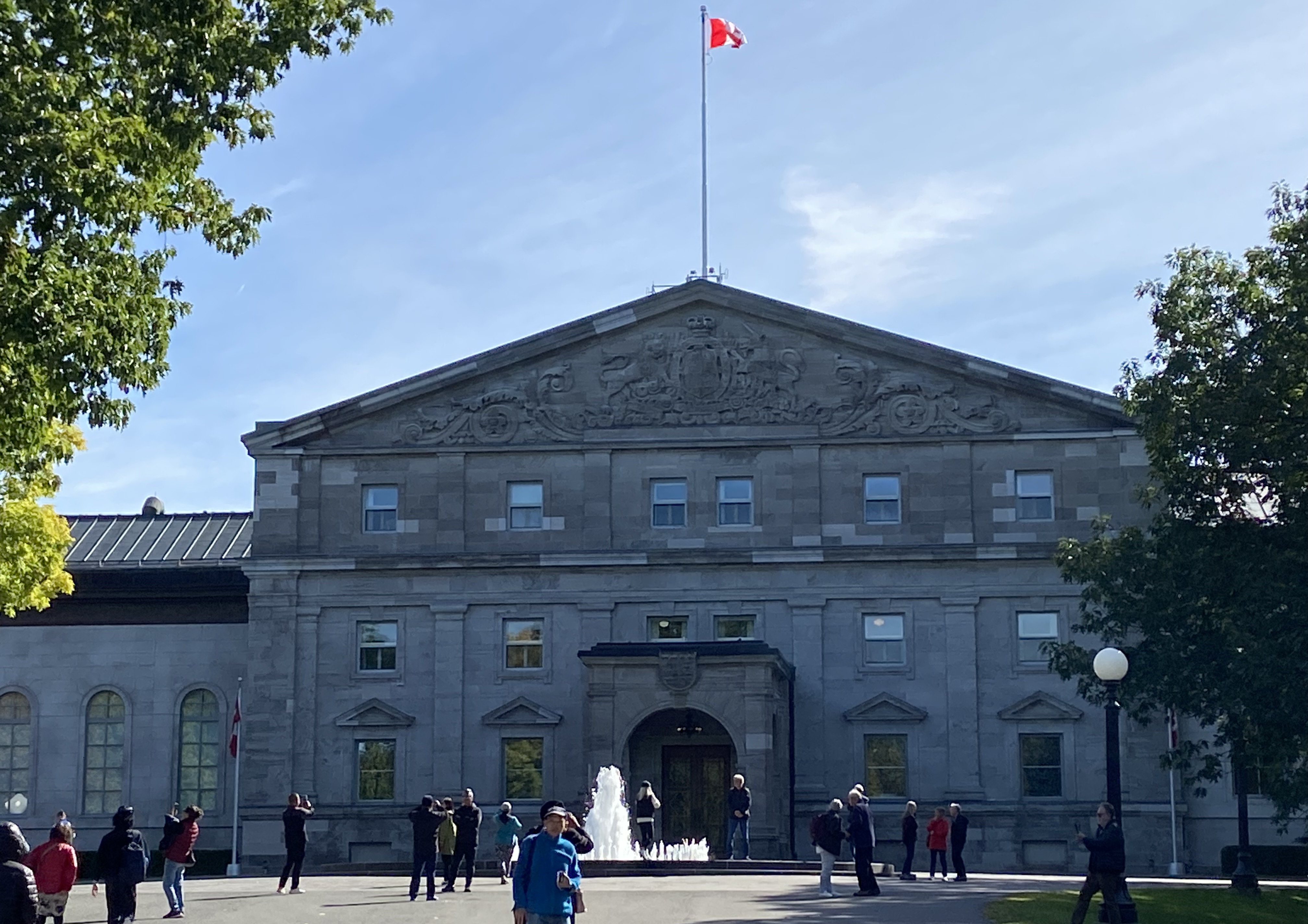
A short walk through lovely grounds led to Rideau Hall, the official residence of the governor general of Canada. This is the house where the monarch of Canada–whoever is king or queen of England, that is–stays when in the country.
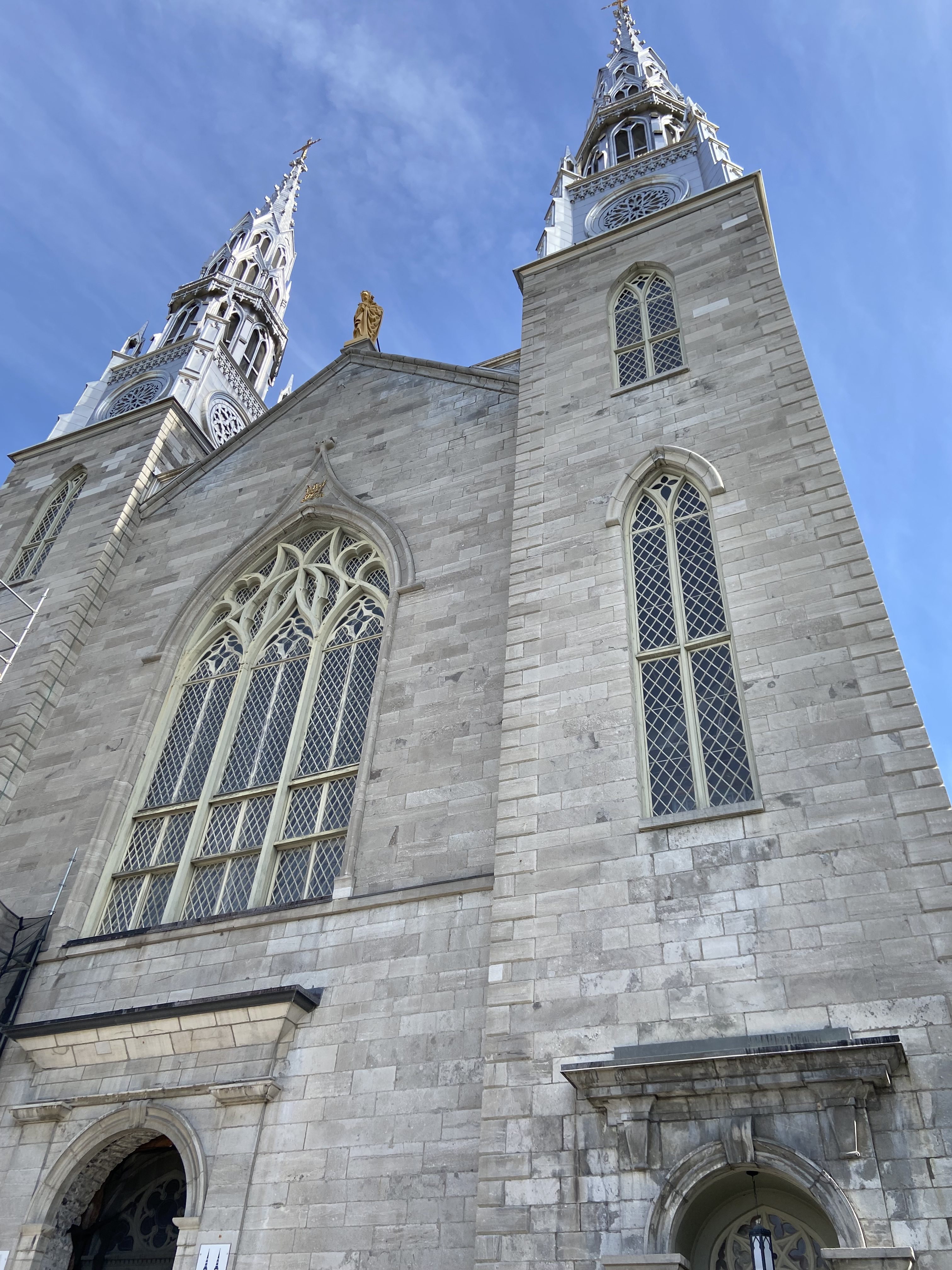
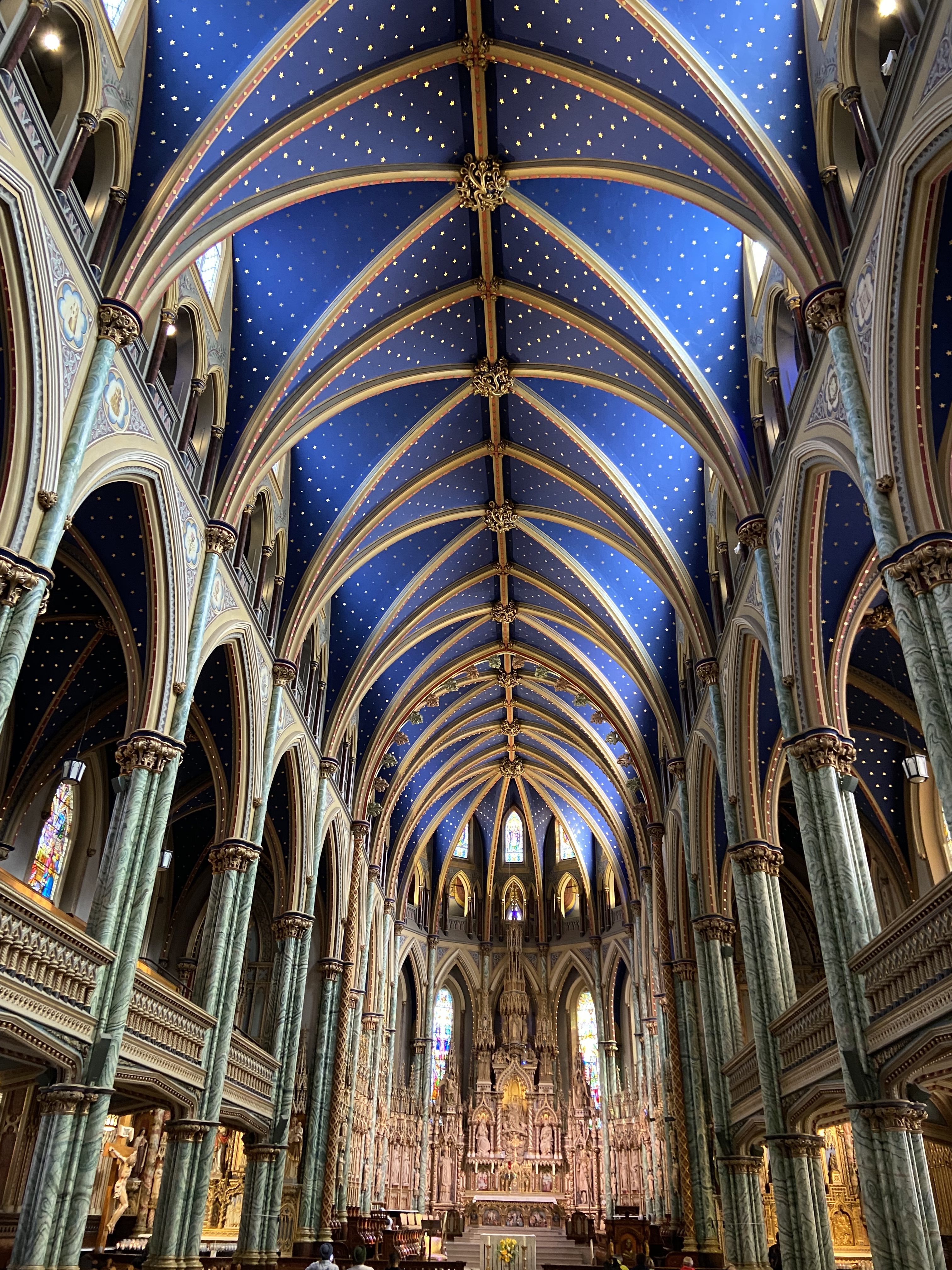
Notre Dame Cathedral is the largest and oldest standing church in Ottawa. It has been declared a Heritage Site by the City of Ottawa and a National Historic Site by the Canadian government. An impressive exterior and an exquisite interior!
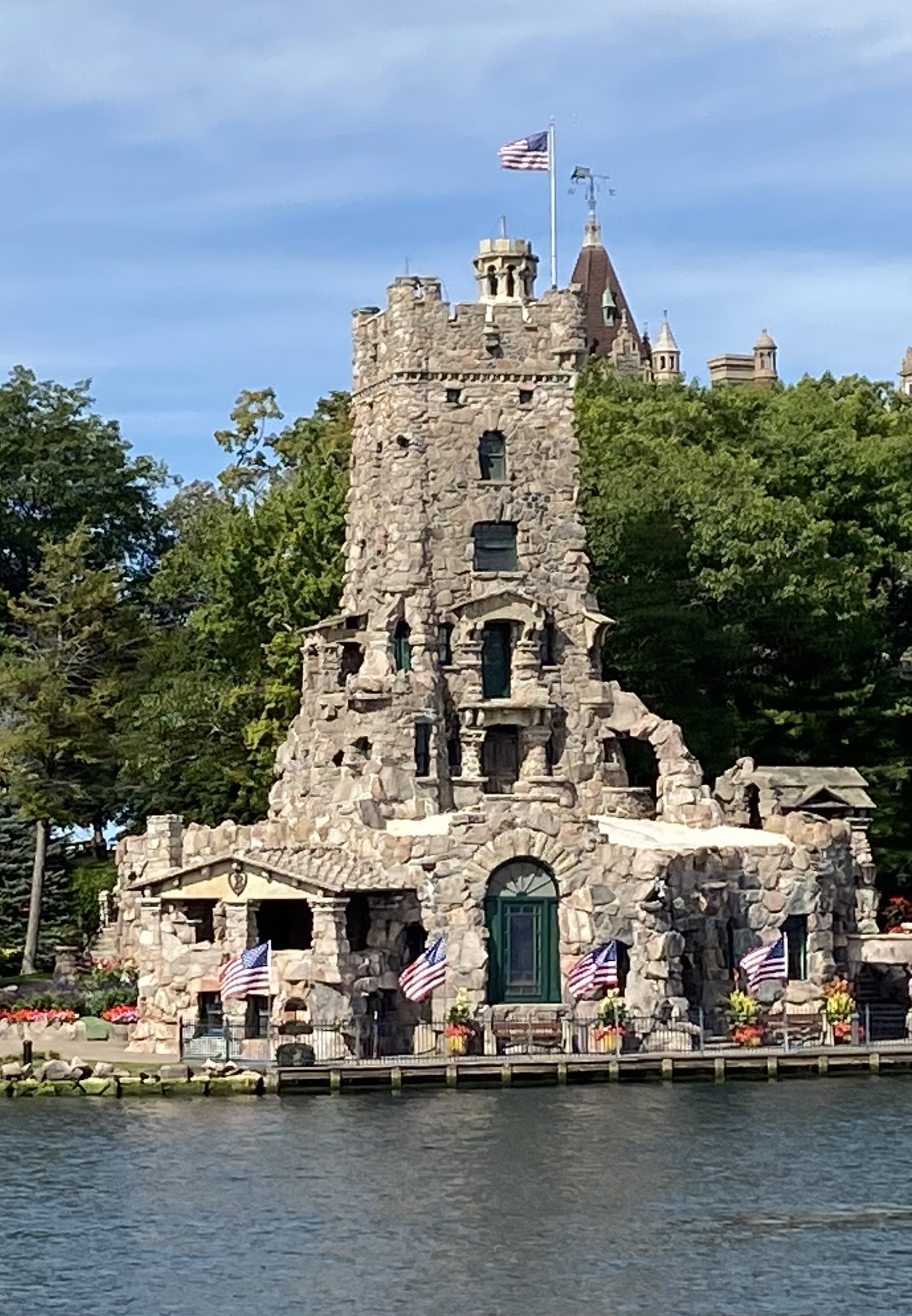
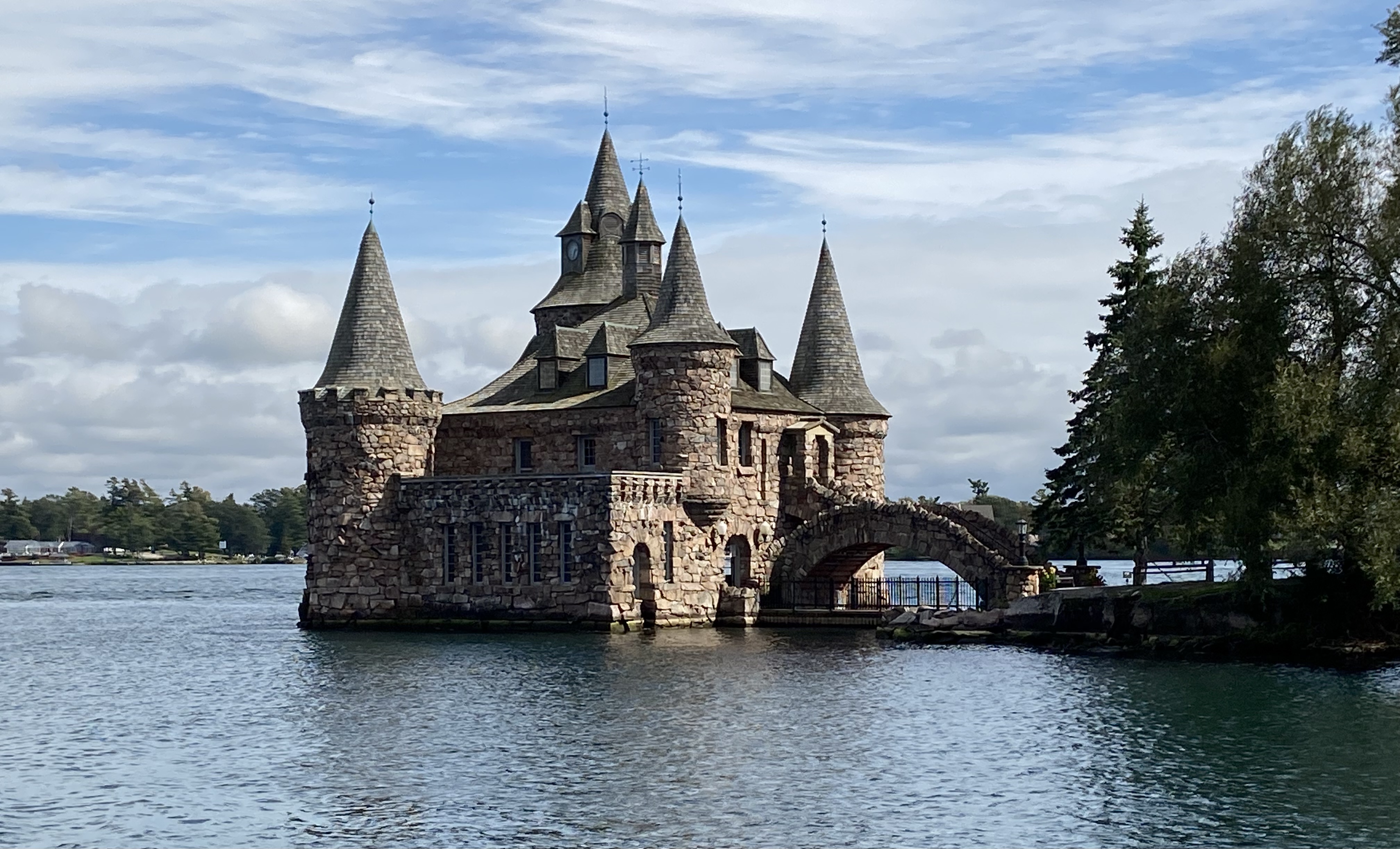
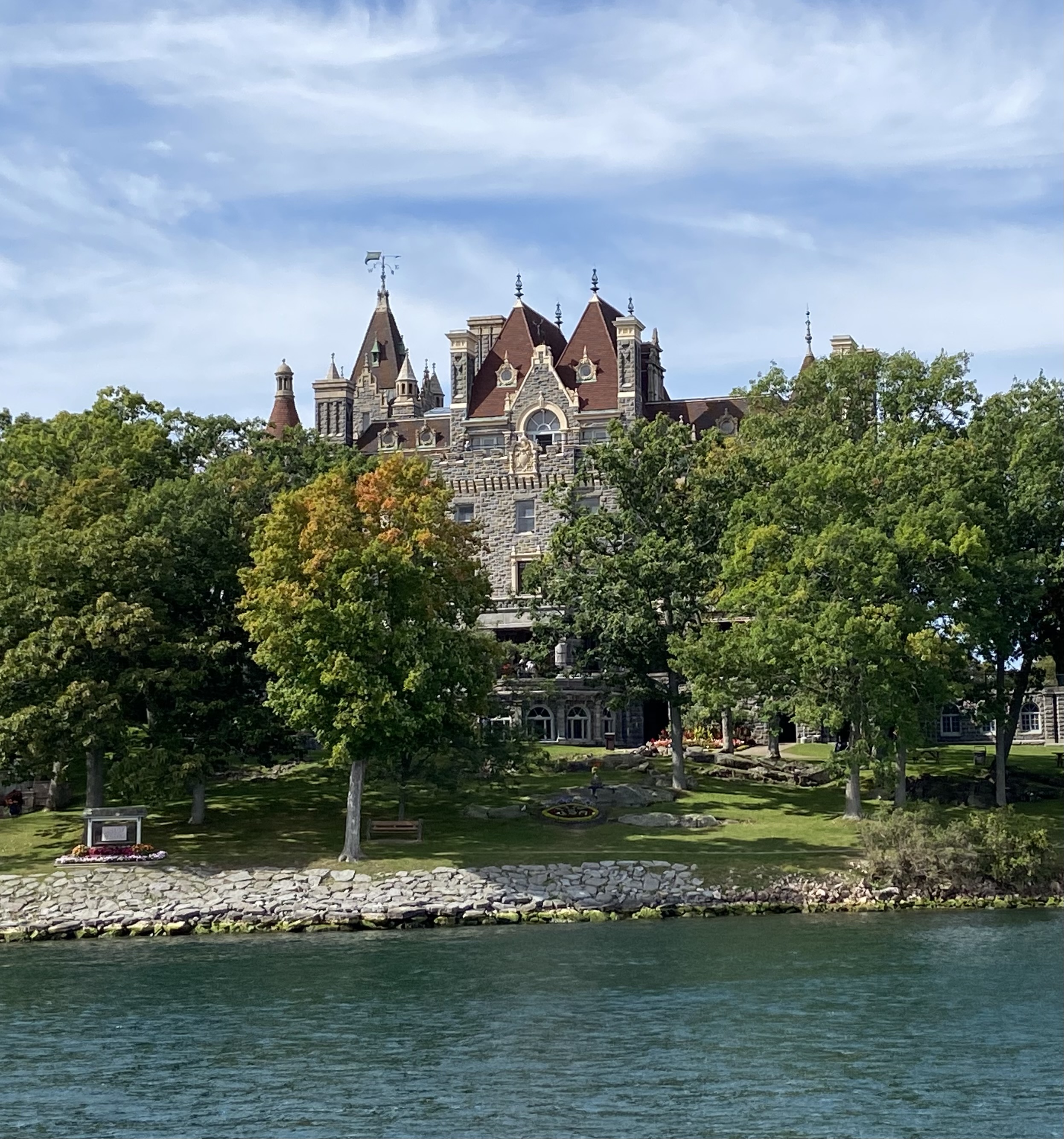
Thus far, I’ve highlighted what we saw in Ottawa. The road trip there from Toronto was broken up by a afternoon cruise on the St. Lawrence River, where we glimpsed Boldt Castle, which is actually on American territory (note the flags on the castle).
Whether Canadian or American turf, I felt like I was on a Castles of the Rhine tour in Germany.
Boldt Castle comes with a sad story. German-American millionaire George Boldt, owner of the Waldorf Astoria Hotel, commissioned the castle for his wife in 1900. She suddenly died and, heartbroken, he abandoned the project. For over 70 years, the castle was left unfinished until the Thousand Islands Bridge Authority completed and restored it as a tourist attraction.
The trip from Ottawa to our next destination, Quebec City, also had a delightful break. We stopped for lunch in the Quebec countryside at something called a sugar shack.
Sugar shacks (“cabanes à sucre” in French) are small cabins in the woods where sap is collected from the nearby maple trees and boiled into maple syrup. We were given a tour of the shack on the premises of Chez Dany and told how maple syrup was made here in the past.
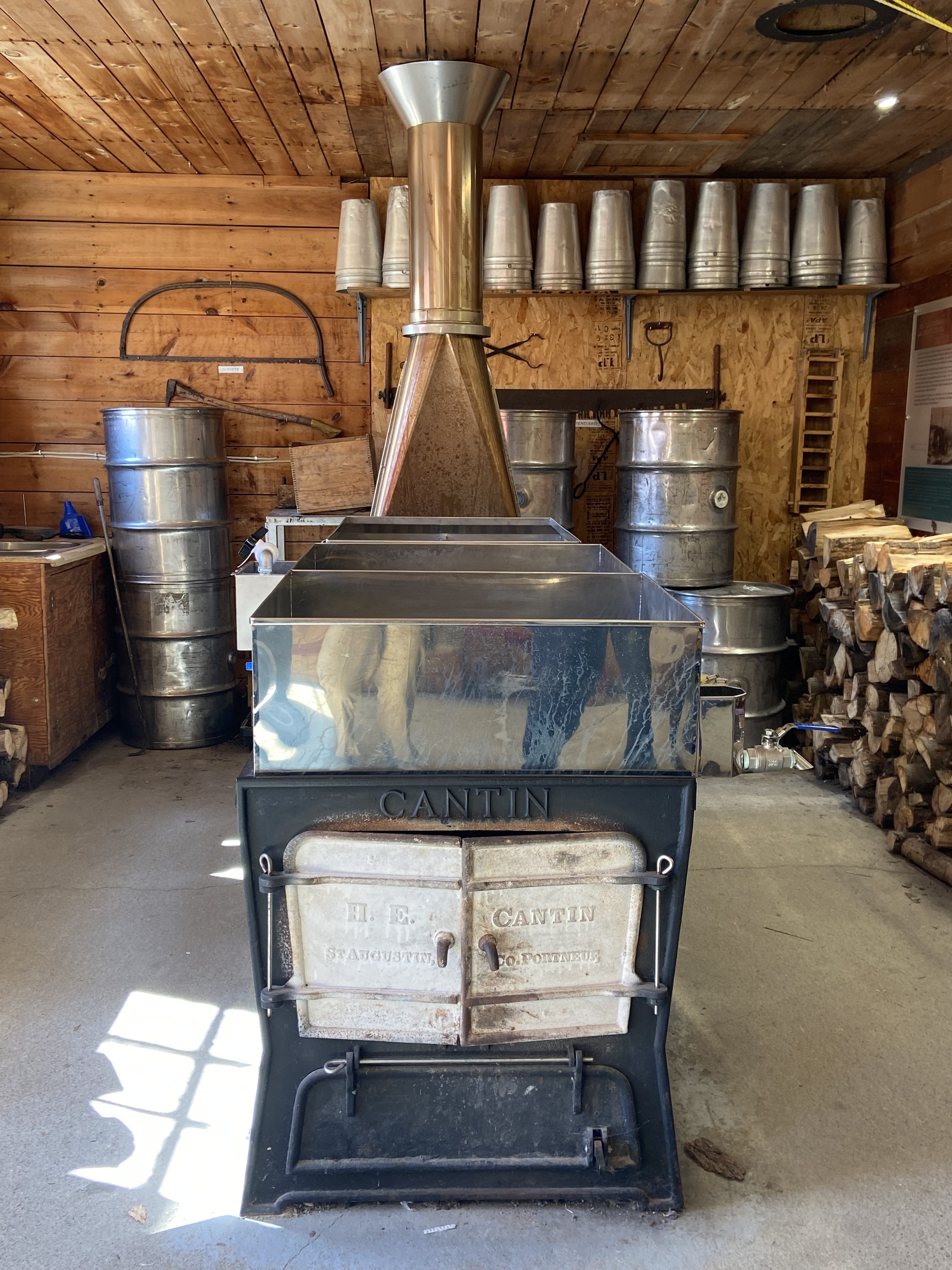
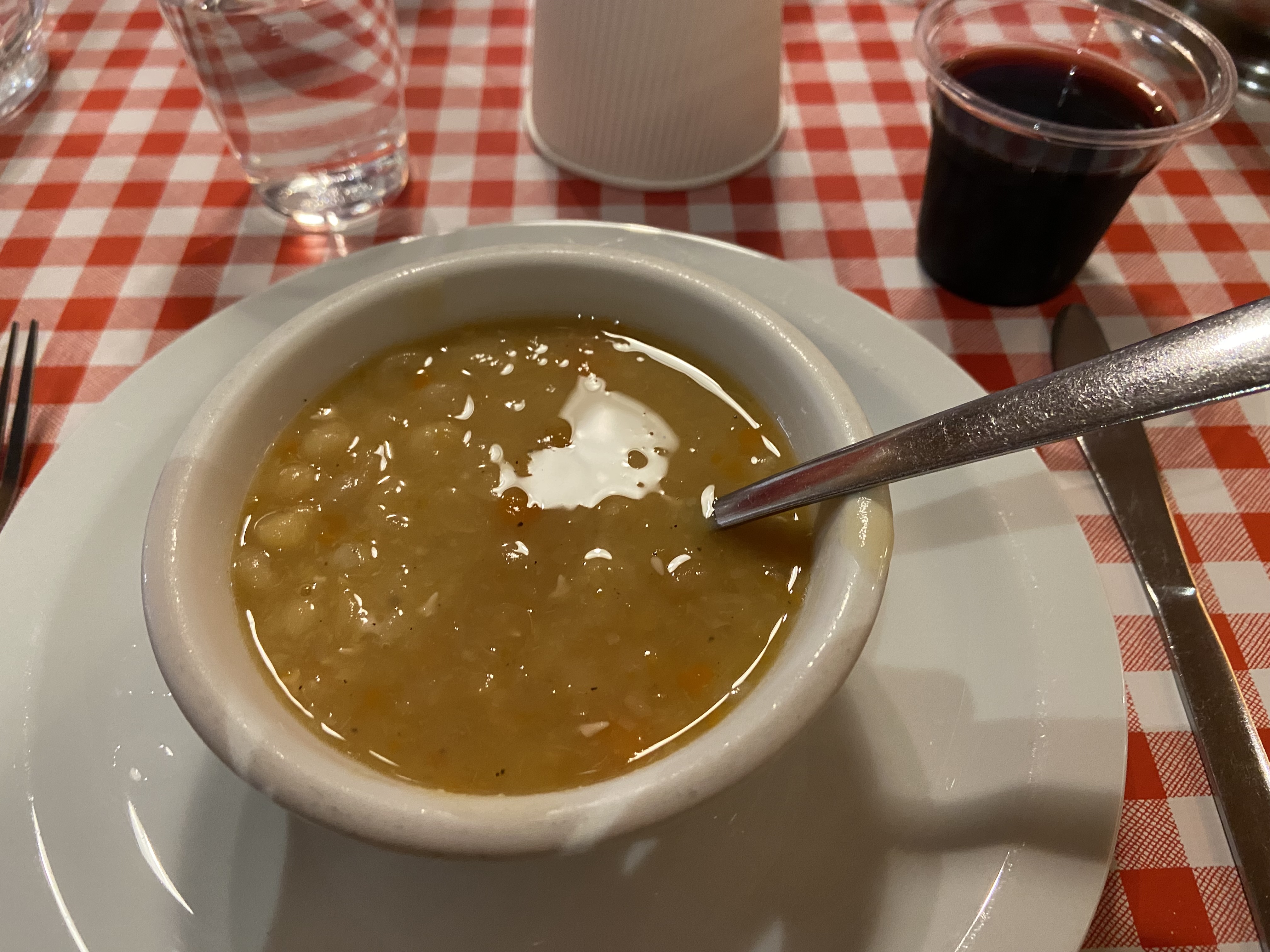
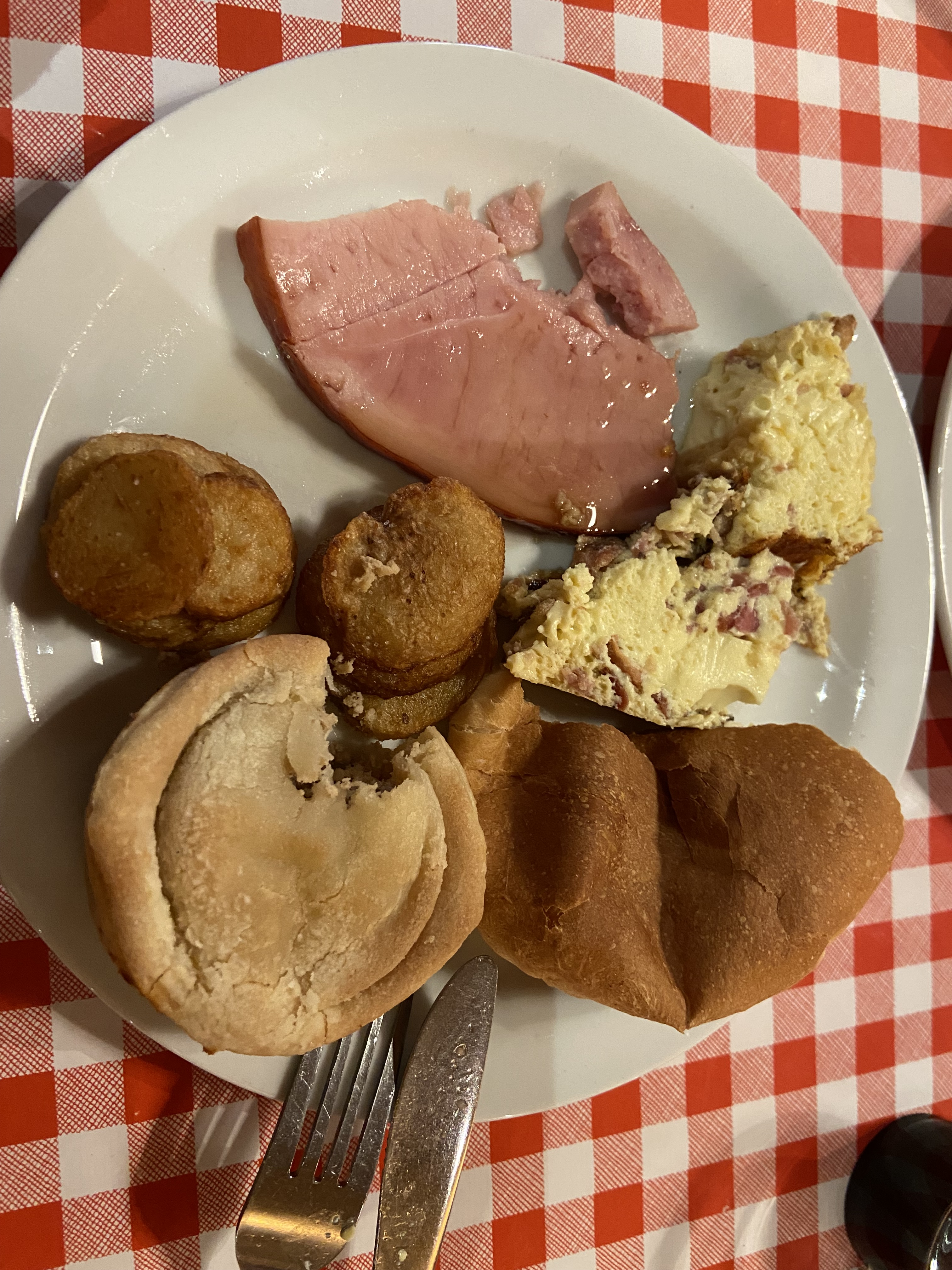
Many sugar shacks today such as the one where we stopped are commercially operated and focus on offering meals and operating gift shops. Fine by me. I enjoyed our hearty lunch of ground pork pie, quiche, maple ham, pea soup, and pancakes. We were encouraged to pour maple syrup over everything!
A glass of Caribou (looks like red wine) was also provided. This drink is a mixture of port, cognac, and, of course, syrup.
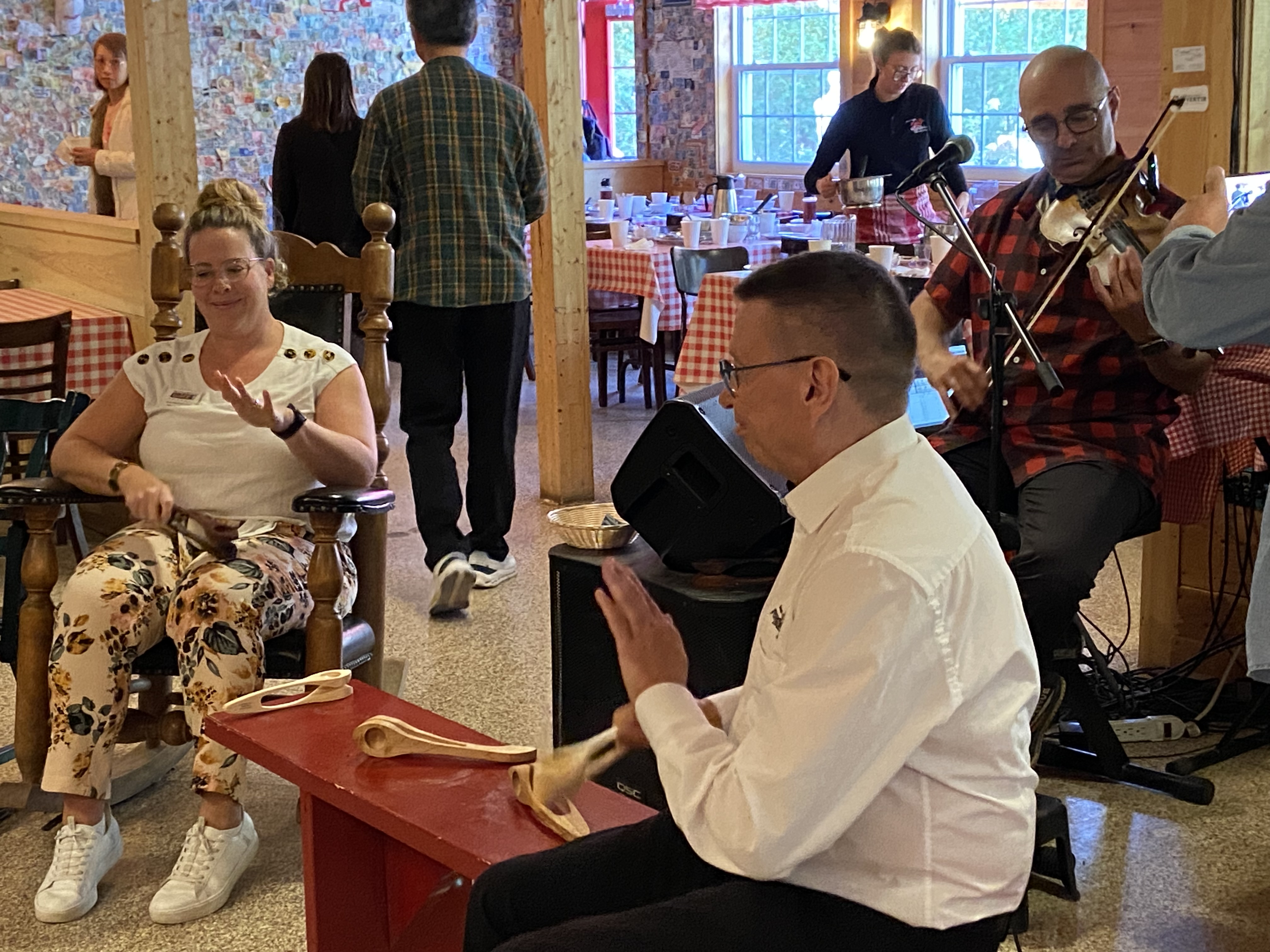
Musical entertainment was provided while we ate. That’s our tour guide Julia in the rocking chair on the left, who joined the band for a song or two.
More of What We Ate
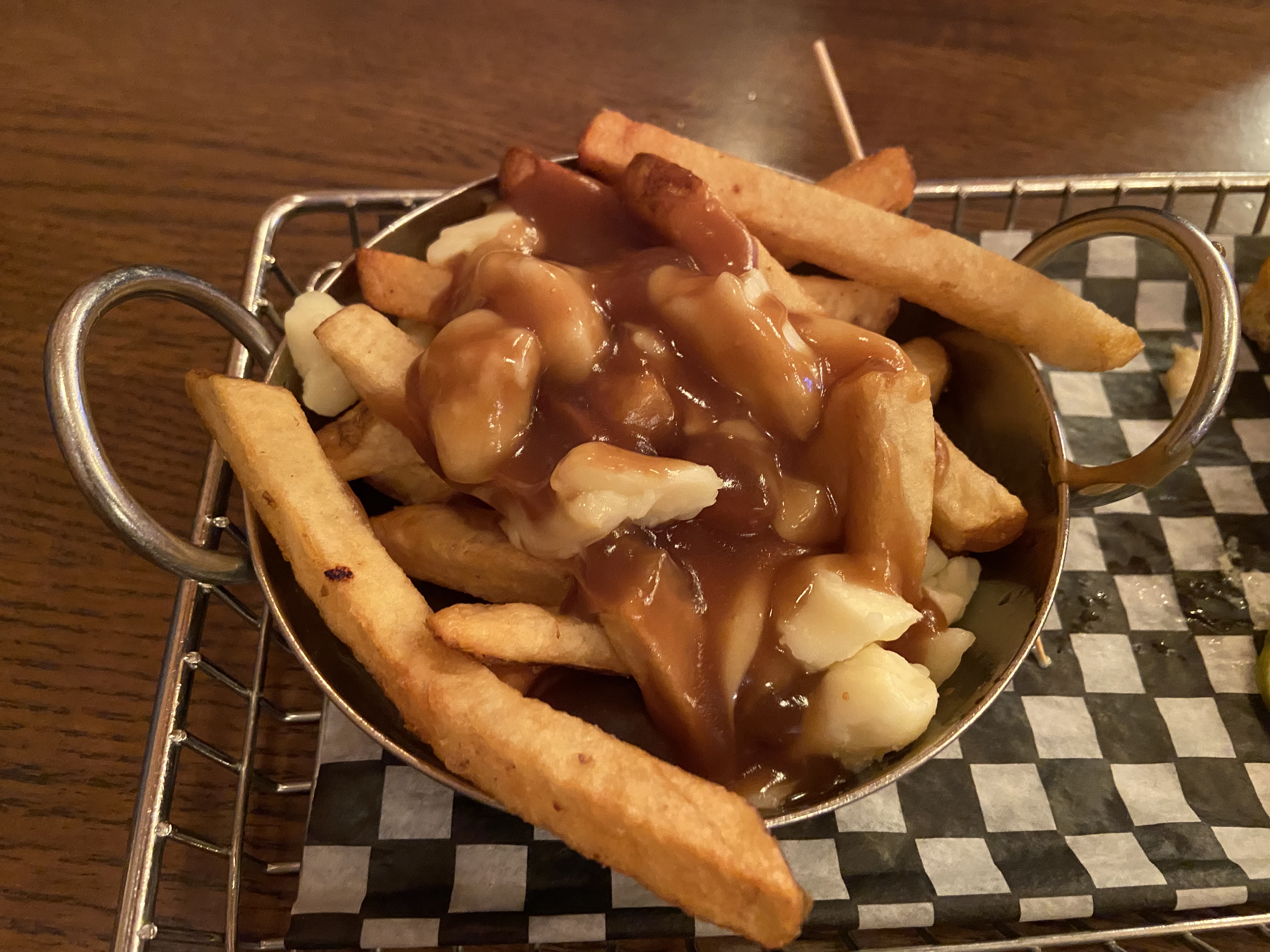
Poutine: This dish, much loved by the Canadians, is basically composed of French fries covered in cheese curds and brown gravy. Not my favorite. However, I can see how a hunter or trapper in the dead of a Canadian winter three hundred years ago might crave the calories.
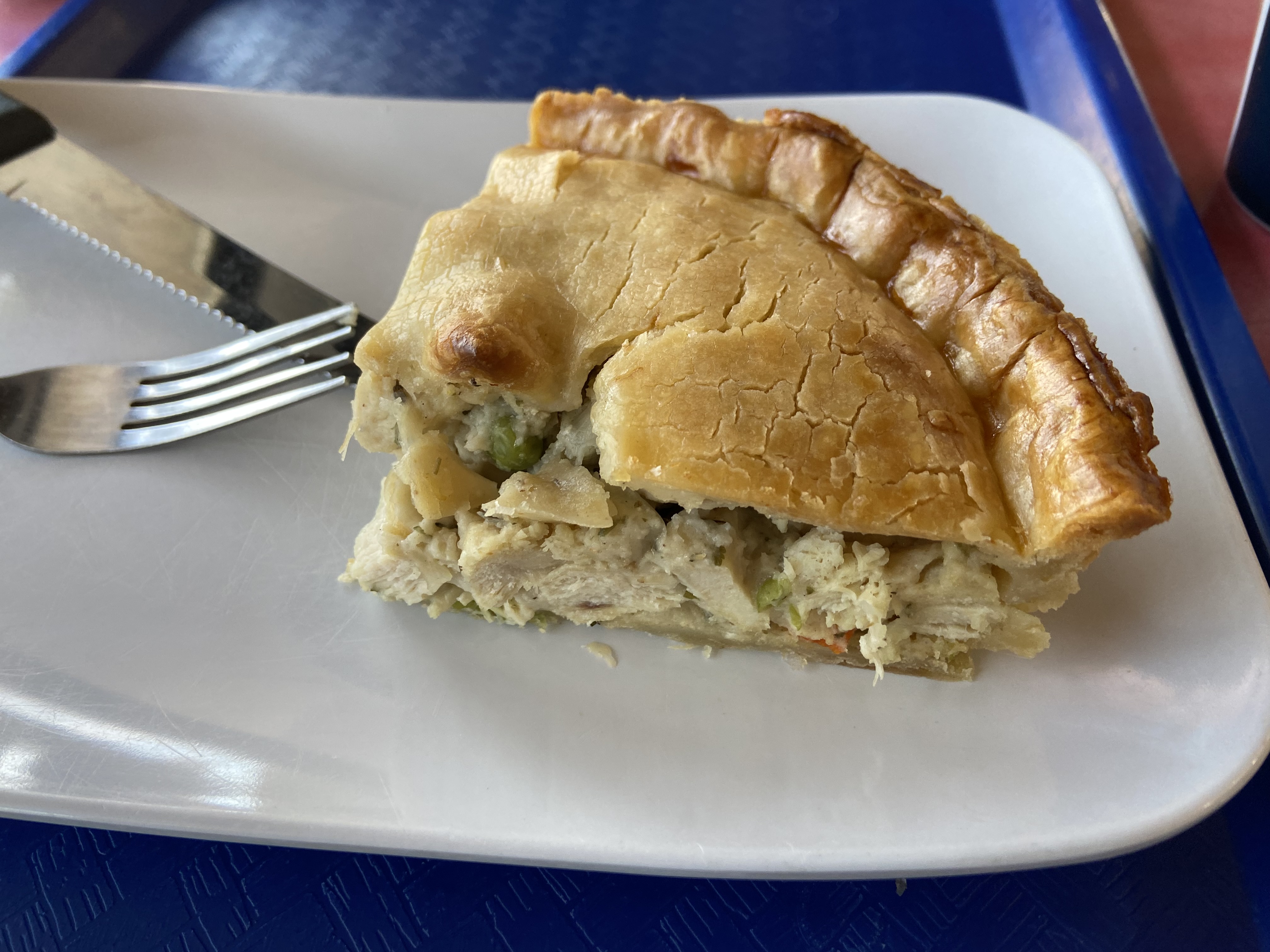
Tourtiere (Canadian Meat Pie): I loved the chicken tourtiere I ate in Ottawa. It tasted very similar to Southern chicken pot pie but wasn’t quite as juicy.
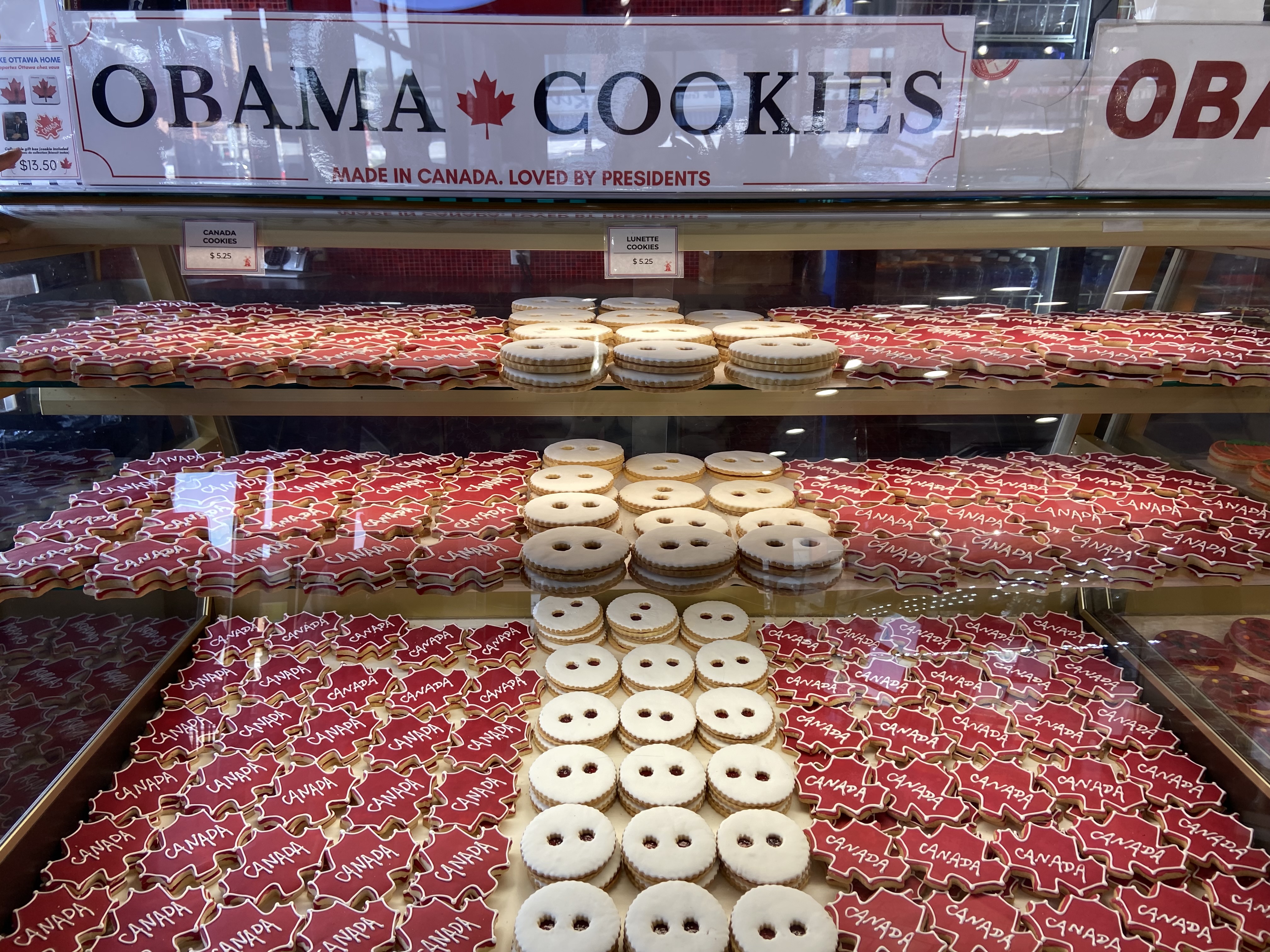
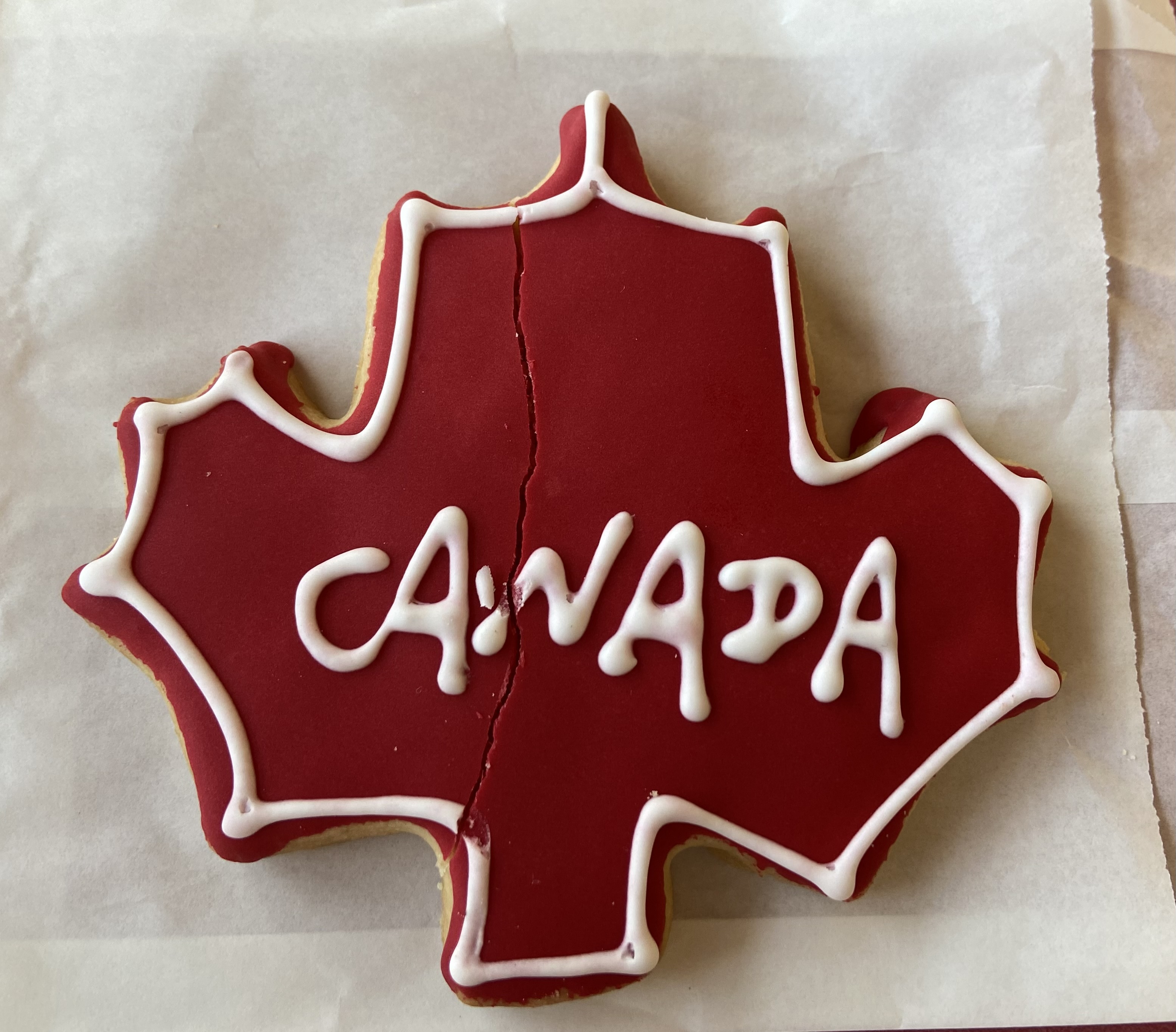
Obama Cookies: When President Obama visited Ottawa in 2009, he briefly stepped into the bakery Le Moulin de Provence, where he bought a sugar cookie in the shape of a maple leaf. Since then, this establishment has marketed the heck out of his purchase. It worked on me; I bought one to share with my husband. (I didn’t do a very good job of splitting this cookie in half. I had to break off the “stem” to equal the portions.)
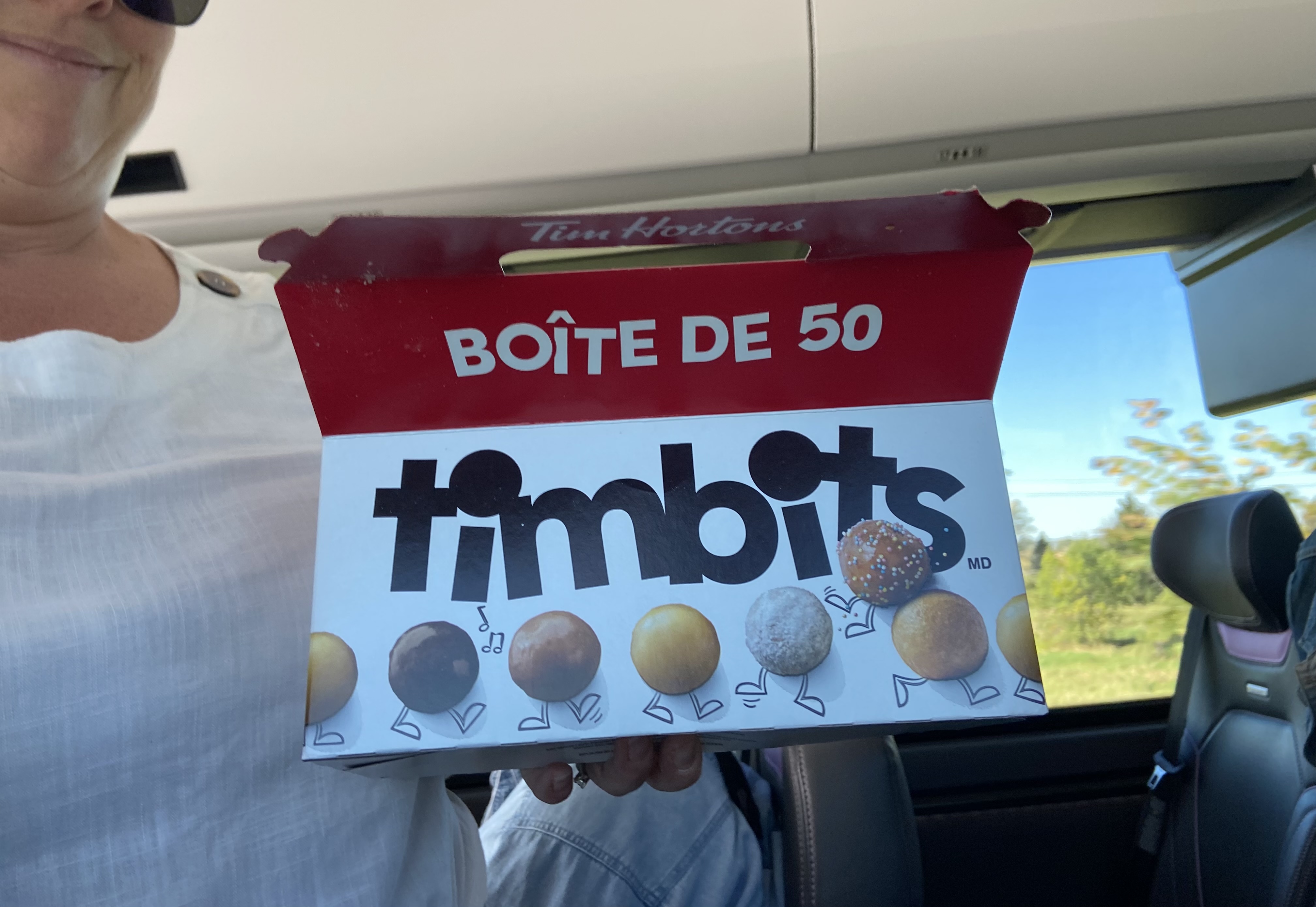
Timbits: We sampled donut holes found at Tim Horton’s, Canada’s version of Dunkin’ Donuts.
In my final post on my Canadian trip, I’ll talk about Quebec City, my favorite, and Montreal.