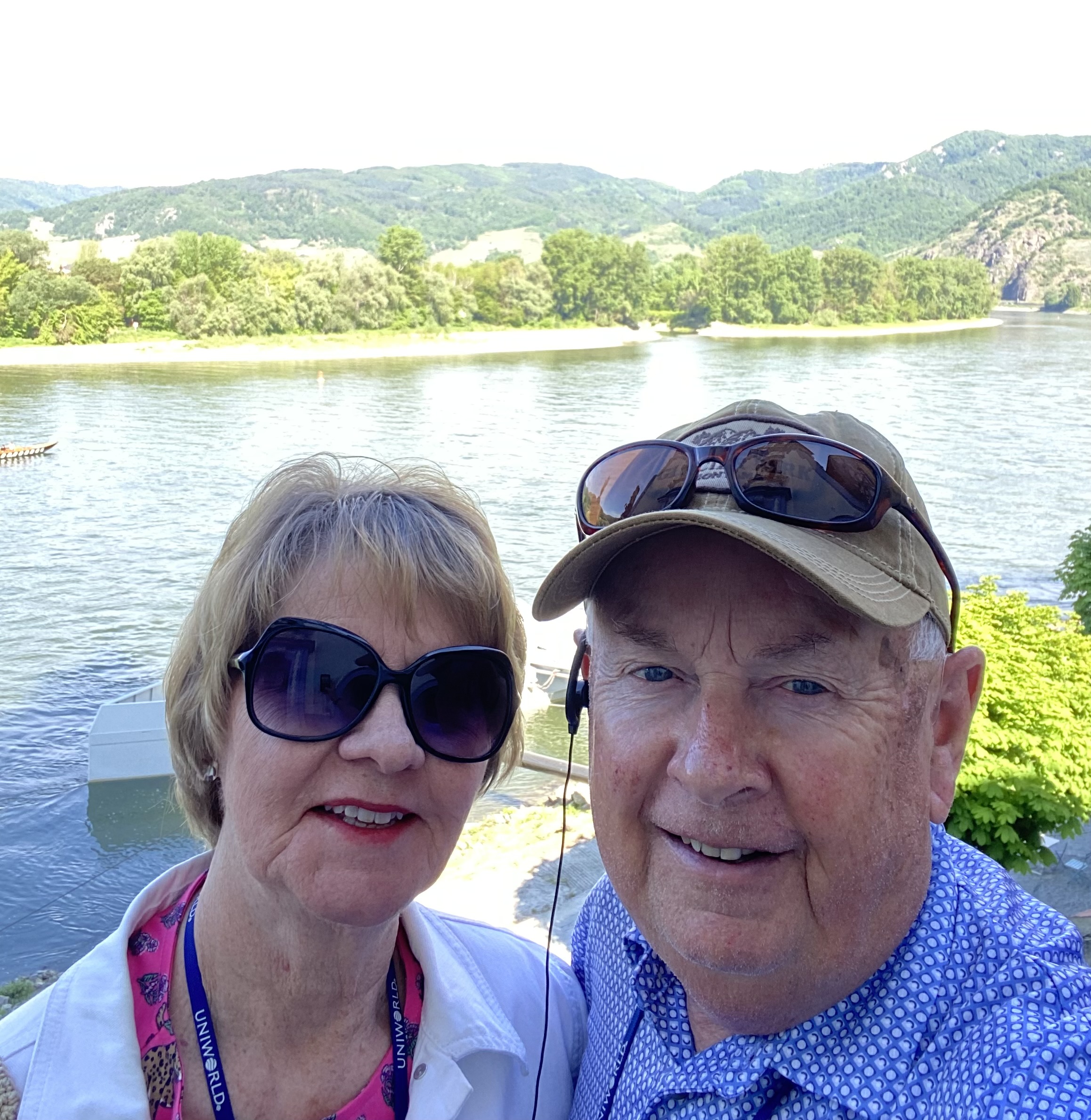
After touring the big cities of Budapest and Vienna, my husband and I enjoyed the slower pace of the smaller towns of Austria and Germany located on the Danube River.
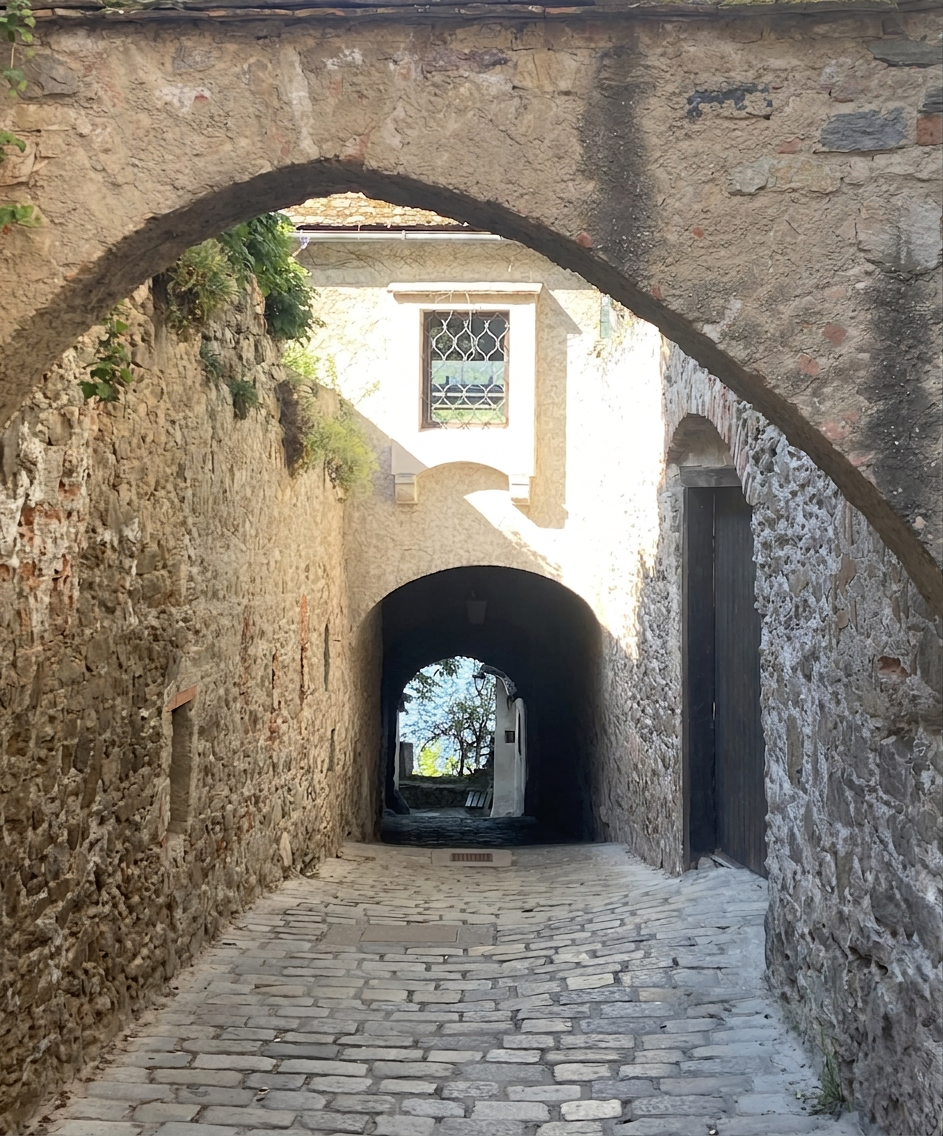
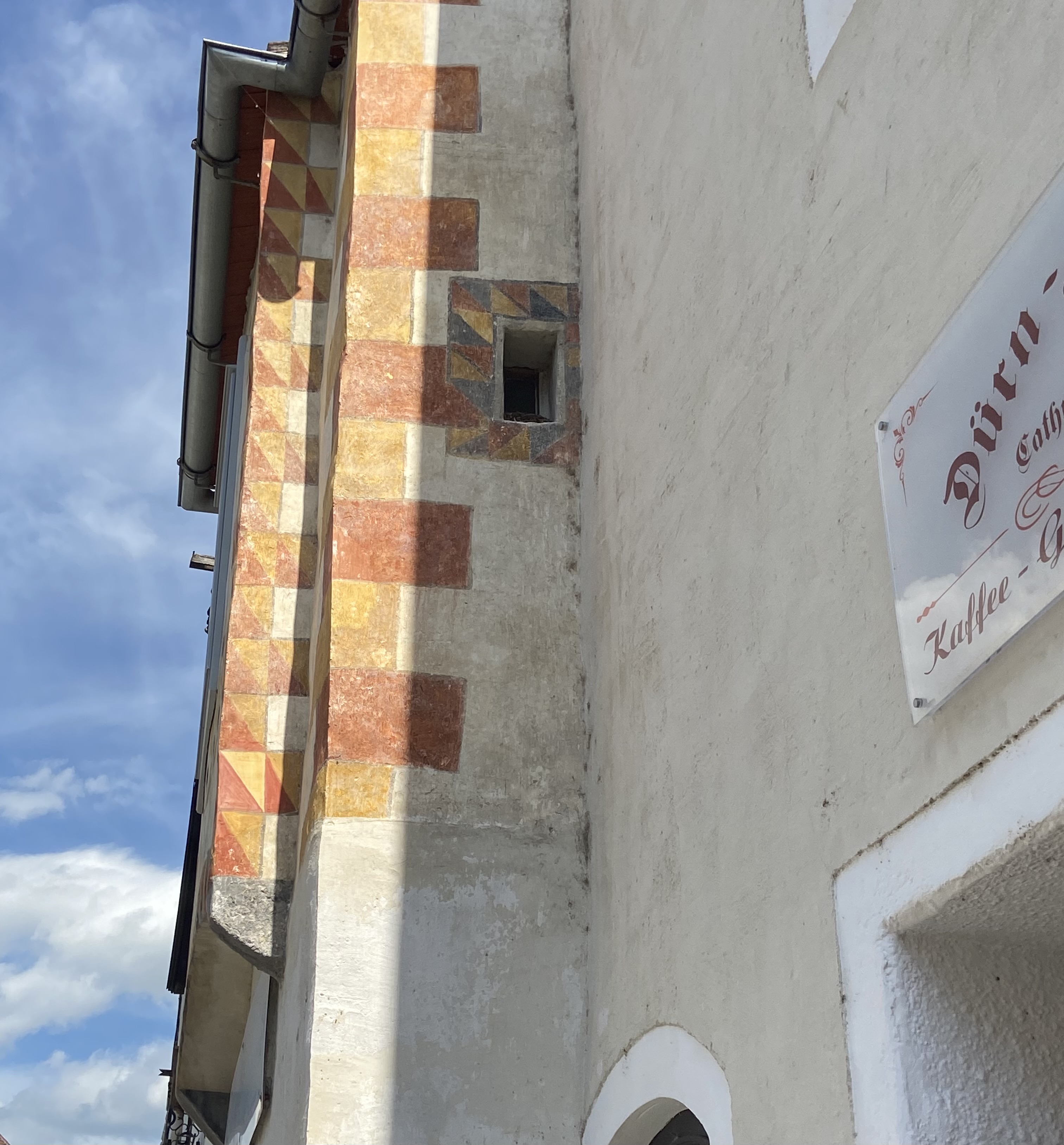
Durnstein, Austria, was quaint and uncrowded. And what could be more charming than a cobblestone alley with an arch, or a tiny “lookout” window in a checkerboard facade?
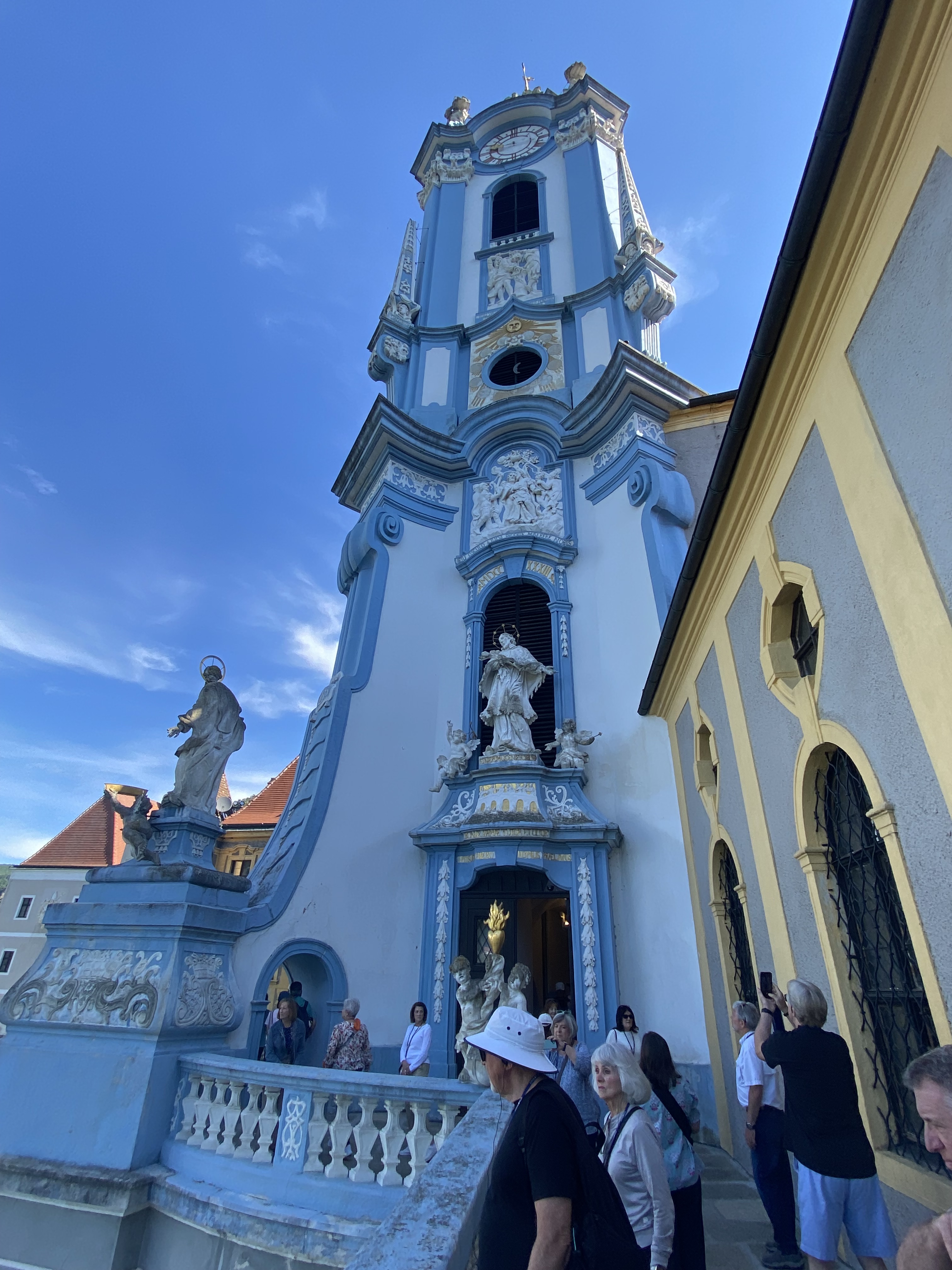
Durnstein is perhaps best-known for its baroque abbey with a Carolina-blue tower. My Tar Heel travel buddies loved this choice of color.
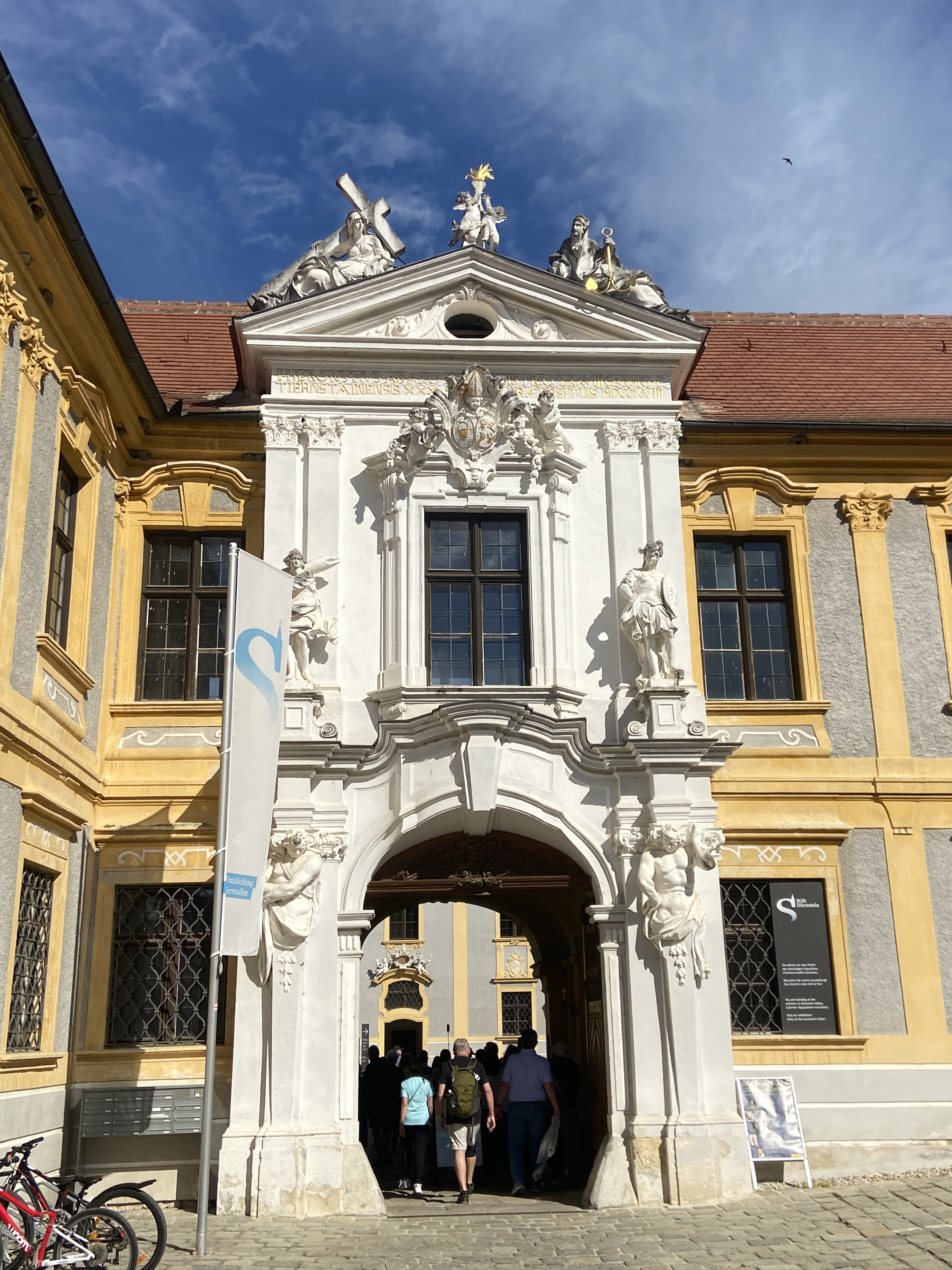
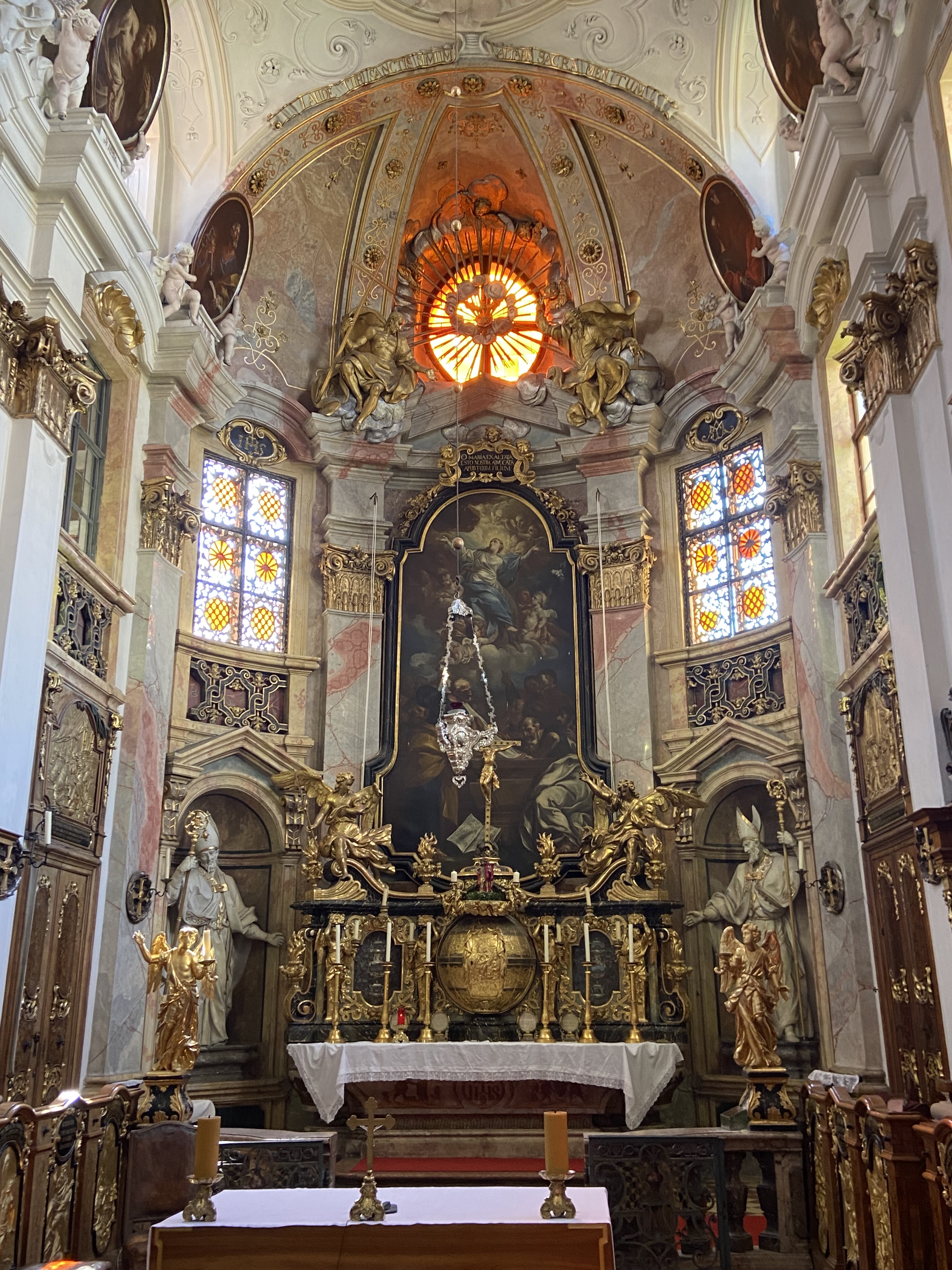
The entrance to the Durnstein Abbey courtyard is ornate. The interior of the Abbey church is as well. Of course, we were in Europe, where lavish architecture in churches and cathedrals is common.
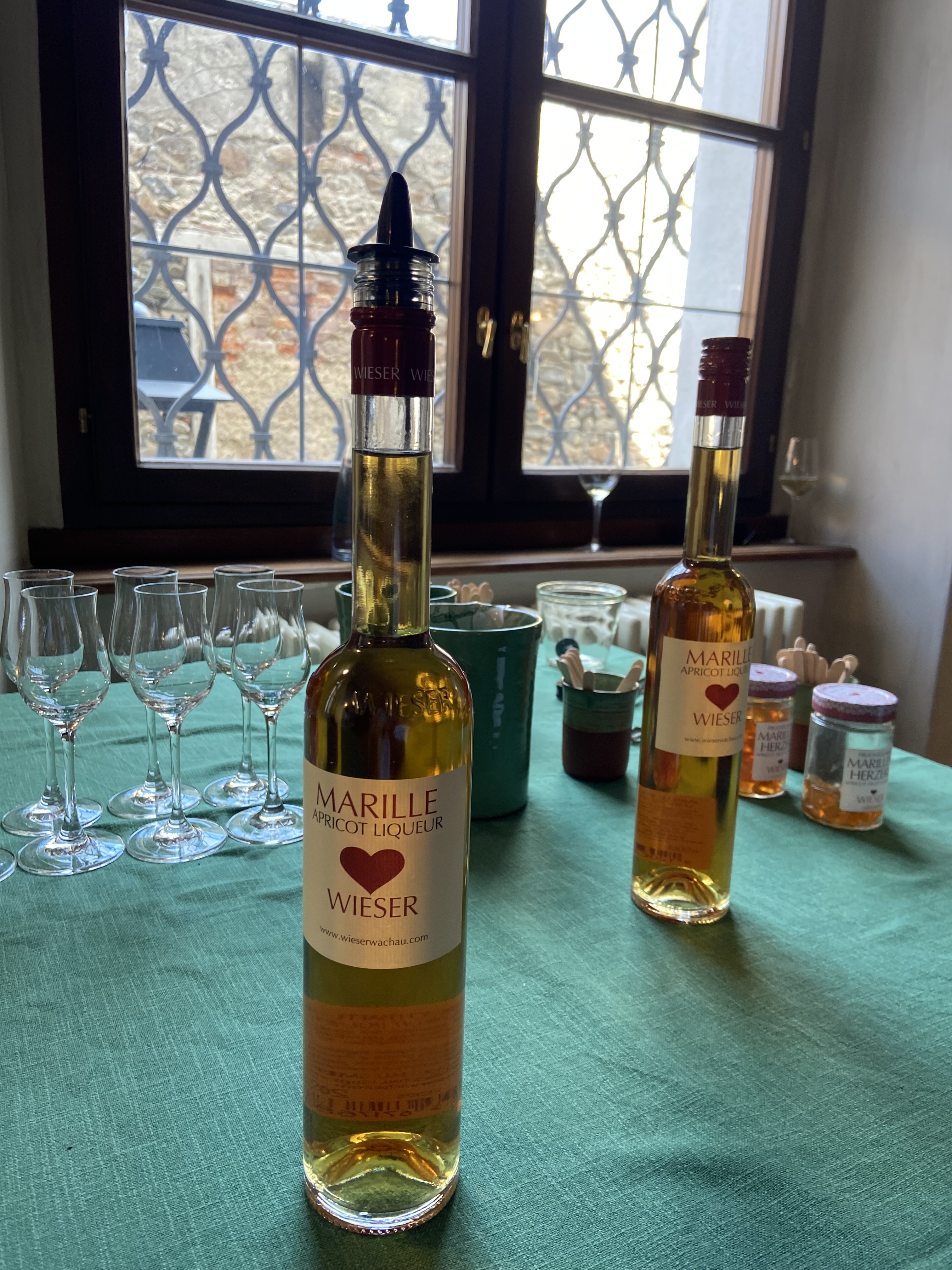
Another sign of European culture was a wine-tasting on the premises of the church grounds…. at ten o’clock in the morning. Durnstein is noted for its apricot products, with apricot spirits being one. I didn’t buy any apricot liqueur, but later I purchased apricot gummies for the grandchildren and apricot jam for my daughters (and me) in one of the gift shops in town.
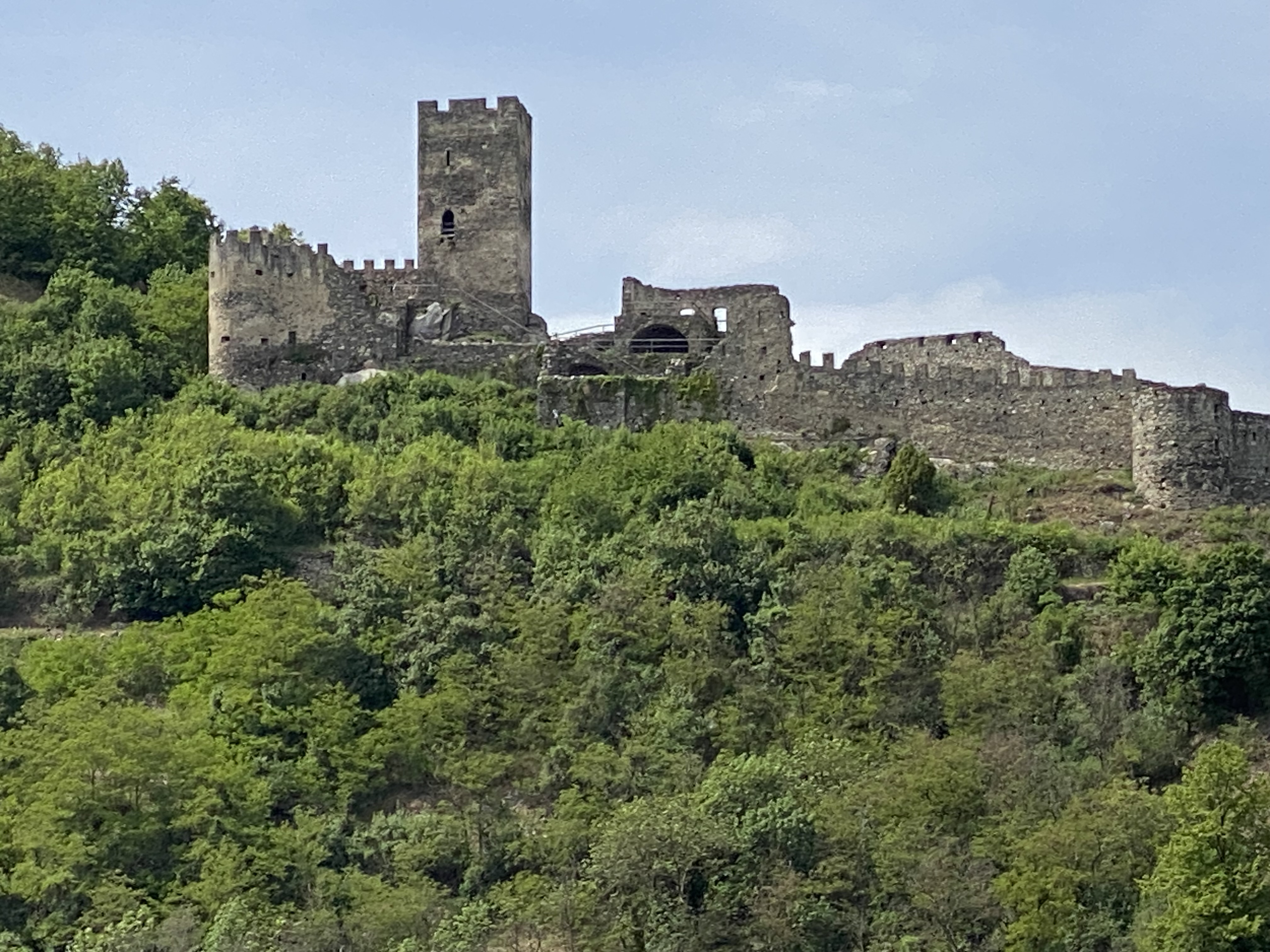
Remember Richard the Lionheart, a king of England in medieval times noted for bravery? The ruins of a castle where he was once held prisoner can be seen in Durnstein. His ransom was set at 100,000 pounds of silver, which was two to three times the annual income of the English crown. Despite the exorbitant demand, the money was raised, and Richard the Lionheart was released.
So much history everywhere in Europe.
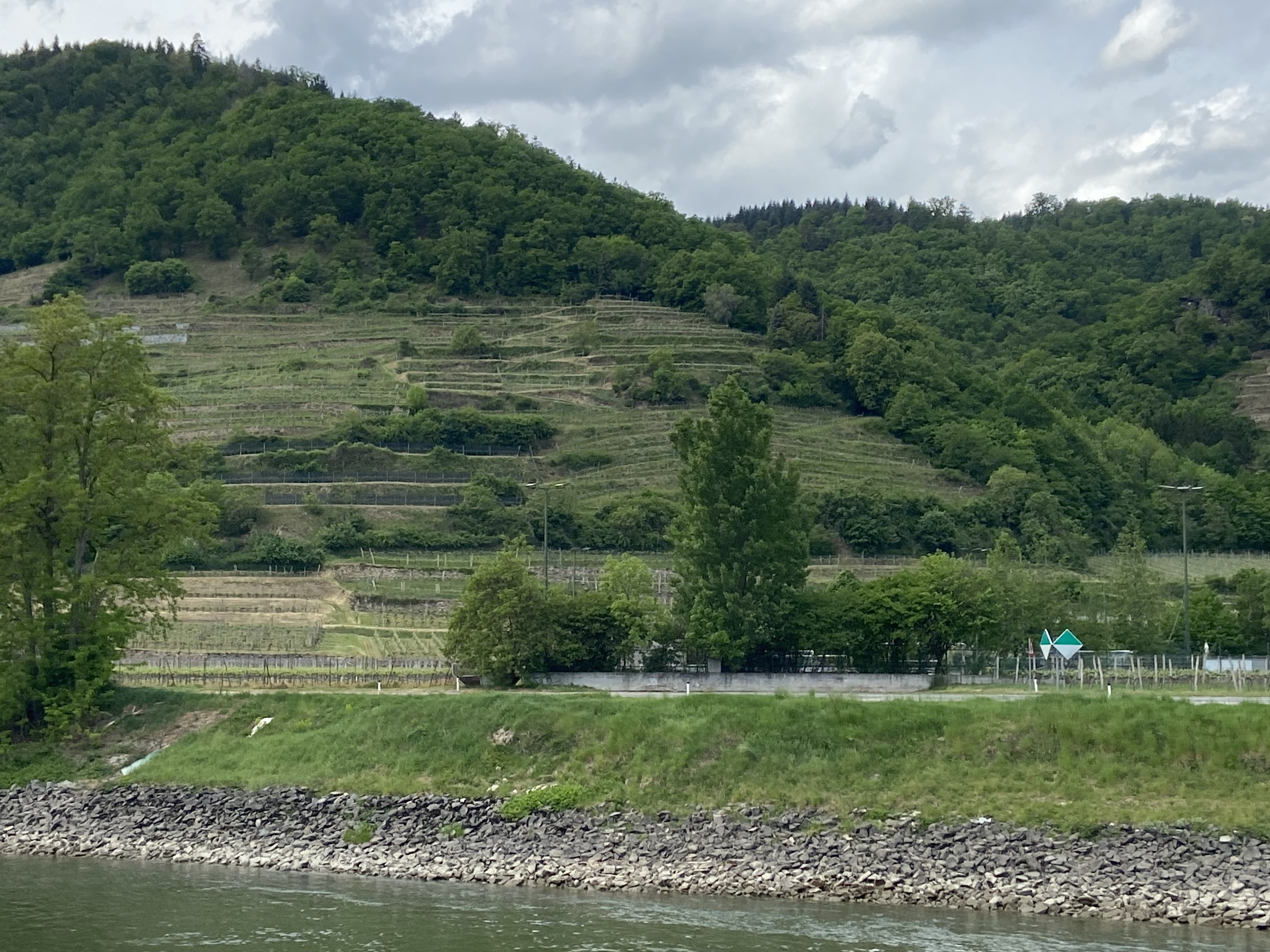
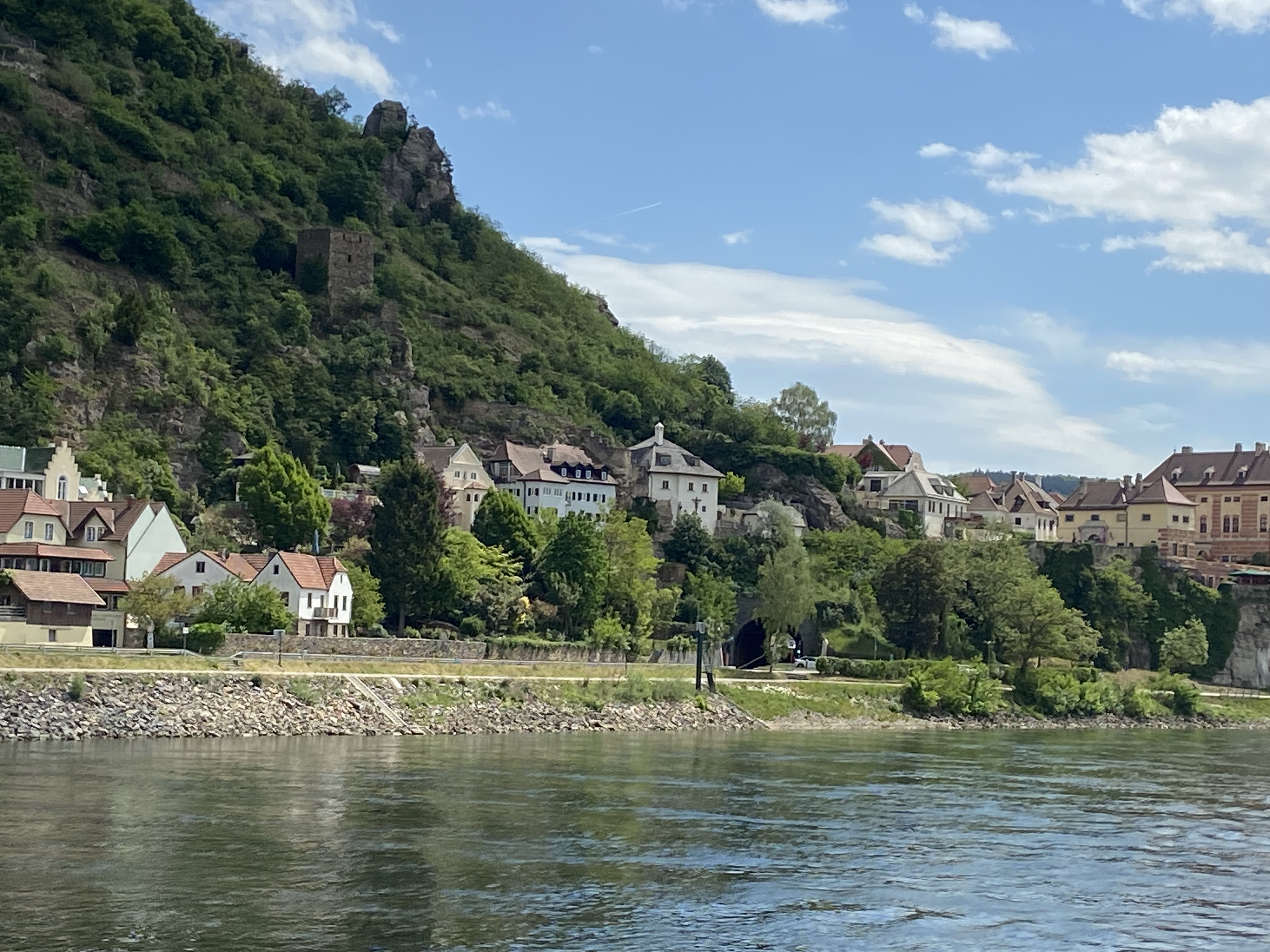
After a morning in Durnstein, we spent the afternoon sailing through the Wachau Valley on the Danube River. This area is noted for its steep vineyards (producing some of that wine we tasted) and beautiful scenery.
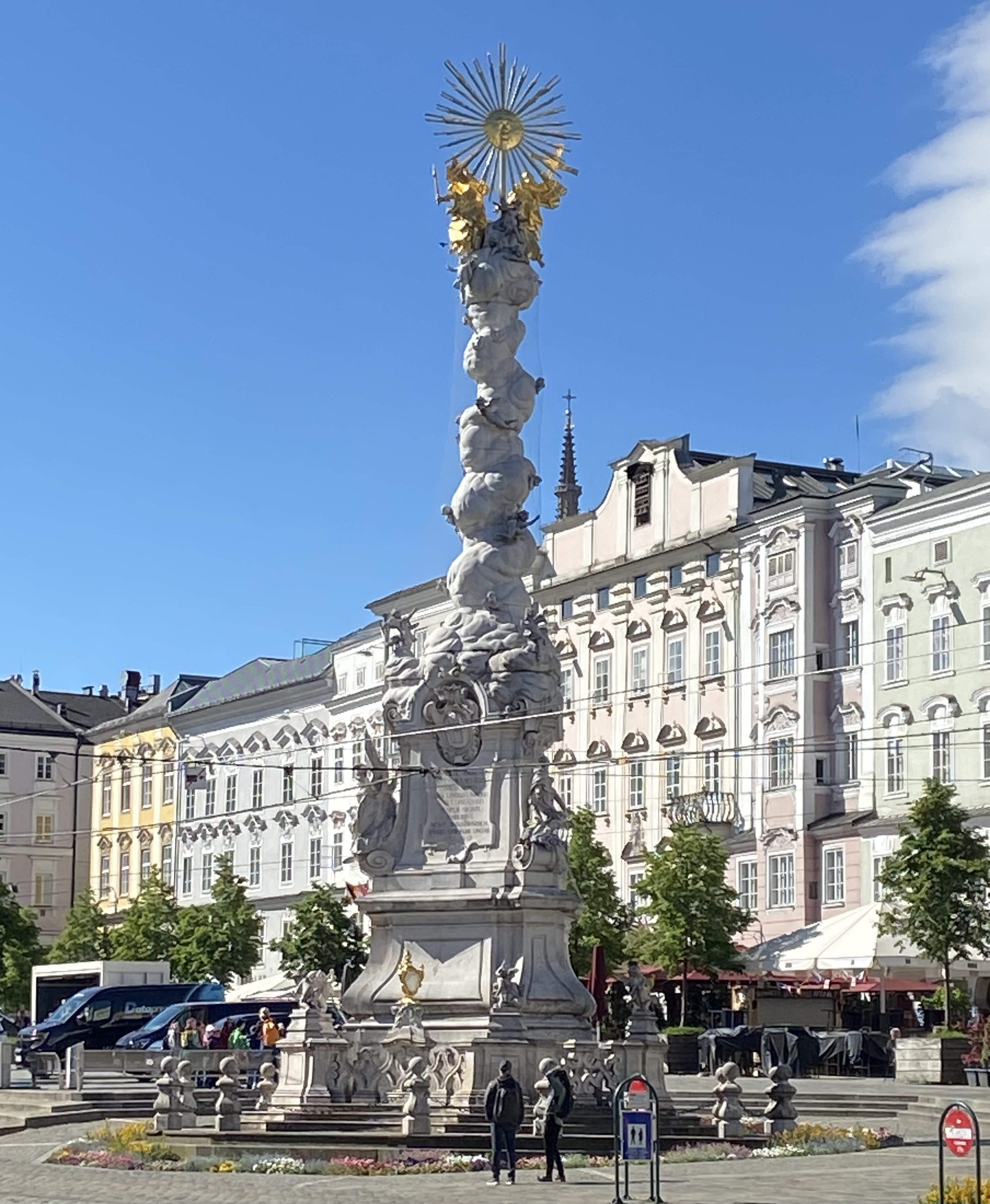
Our next destination was Linz, Austria. This monument, Trinity Column, was the first photo I took in the city. Located in the main square of the city’s historic district, the column was created to express gratitude after Linz was saved from several disasters.
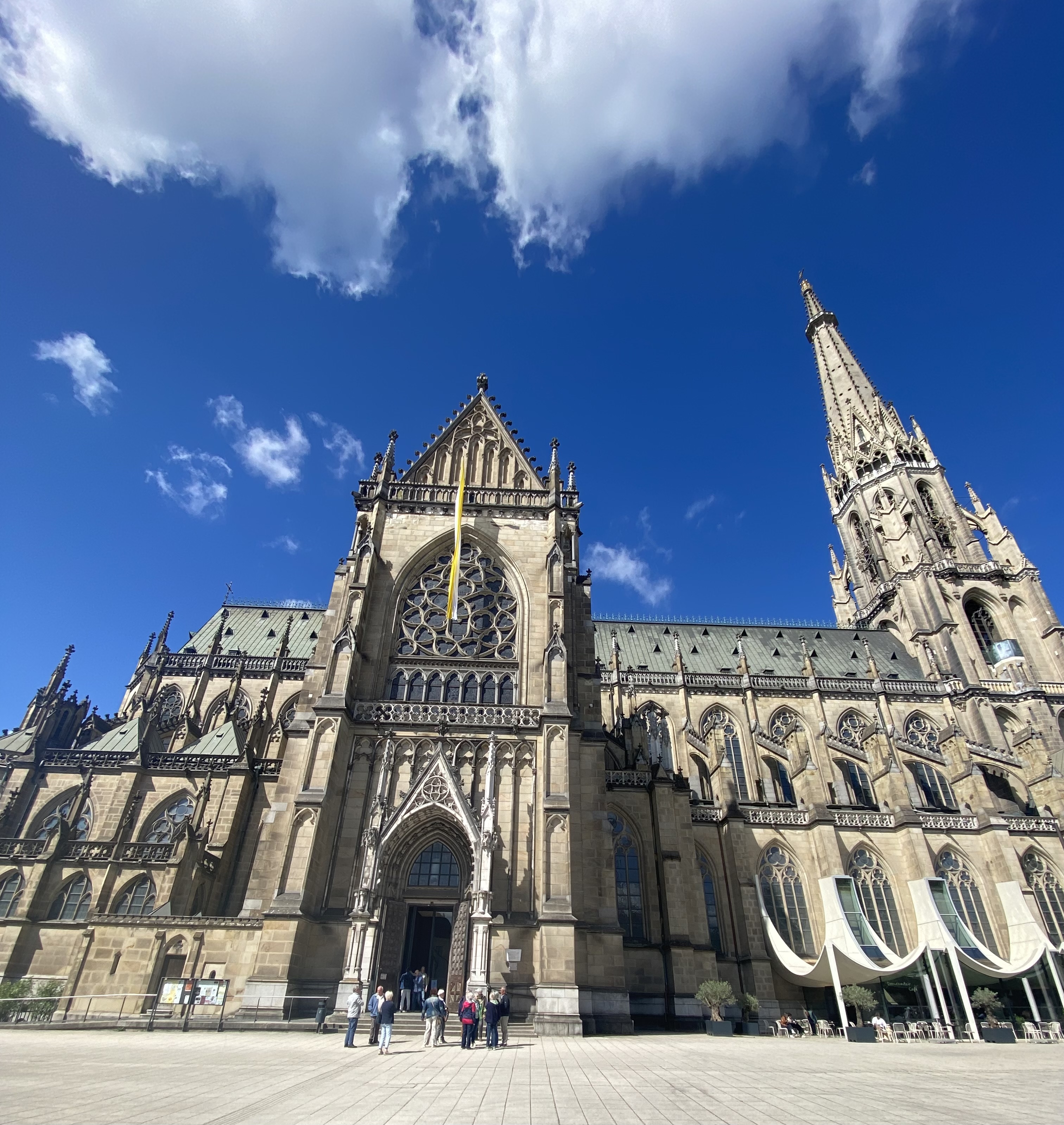
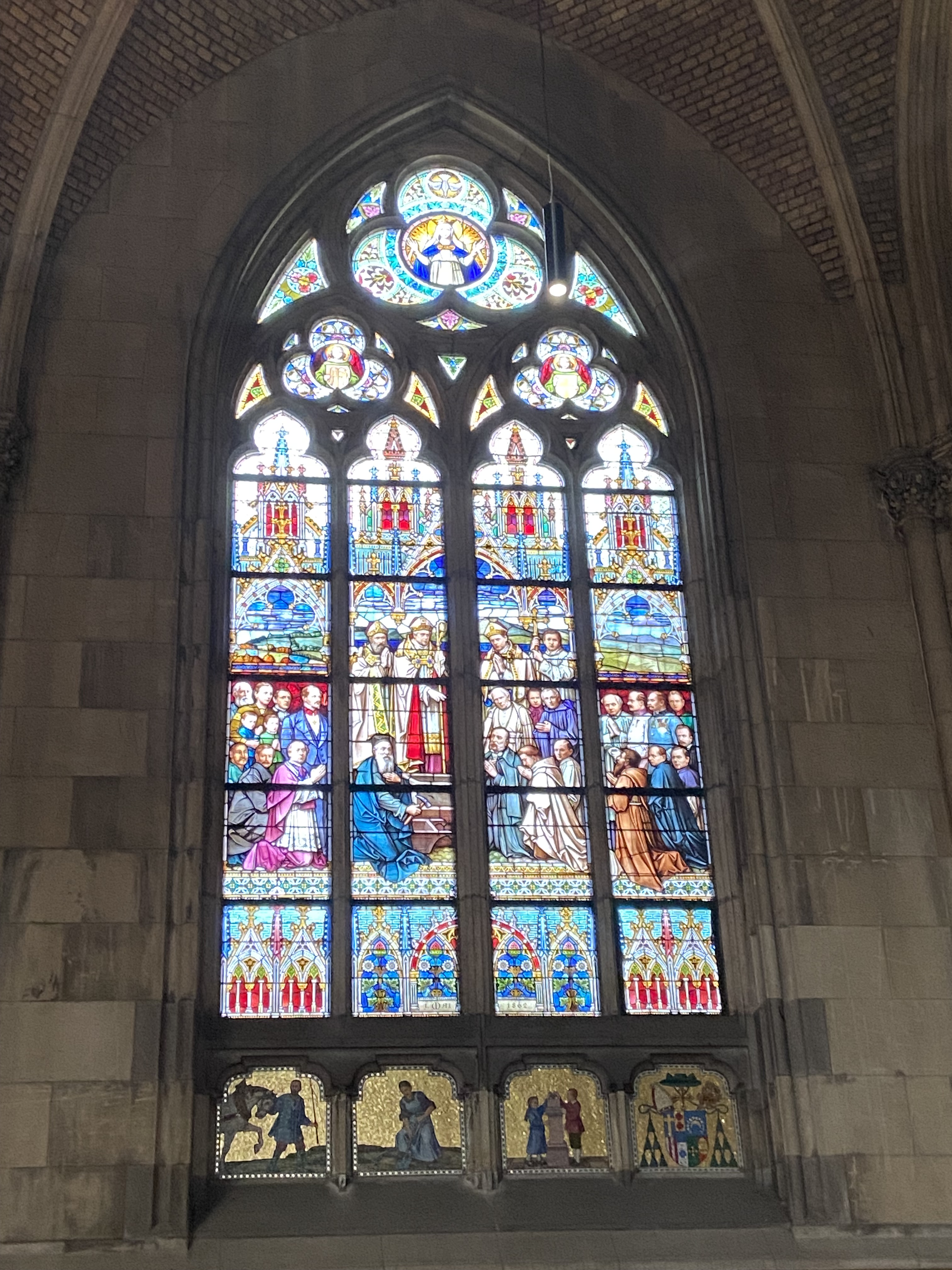
Of course, as almost everywhere in Europe, there’s a magnificent church in the city. St. Mary’s Cathedral is also called the New Cathedral since it was finally completed in 1924. With a seating capacity of 20,000, St. Mary’s is the largest church in Austria. The stained-glass windows here are spectacular.
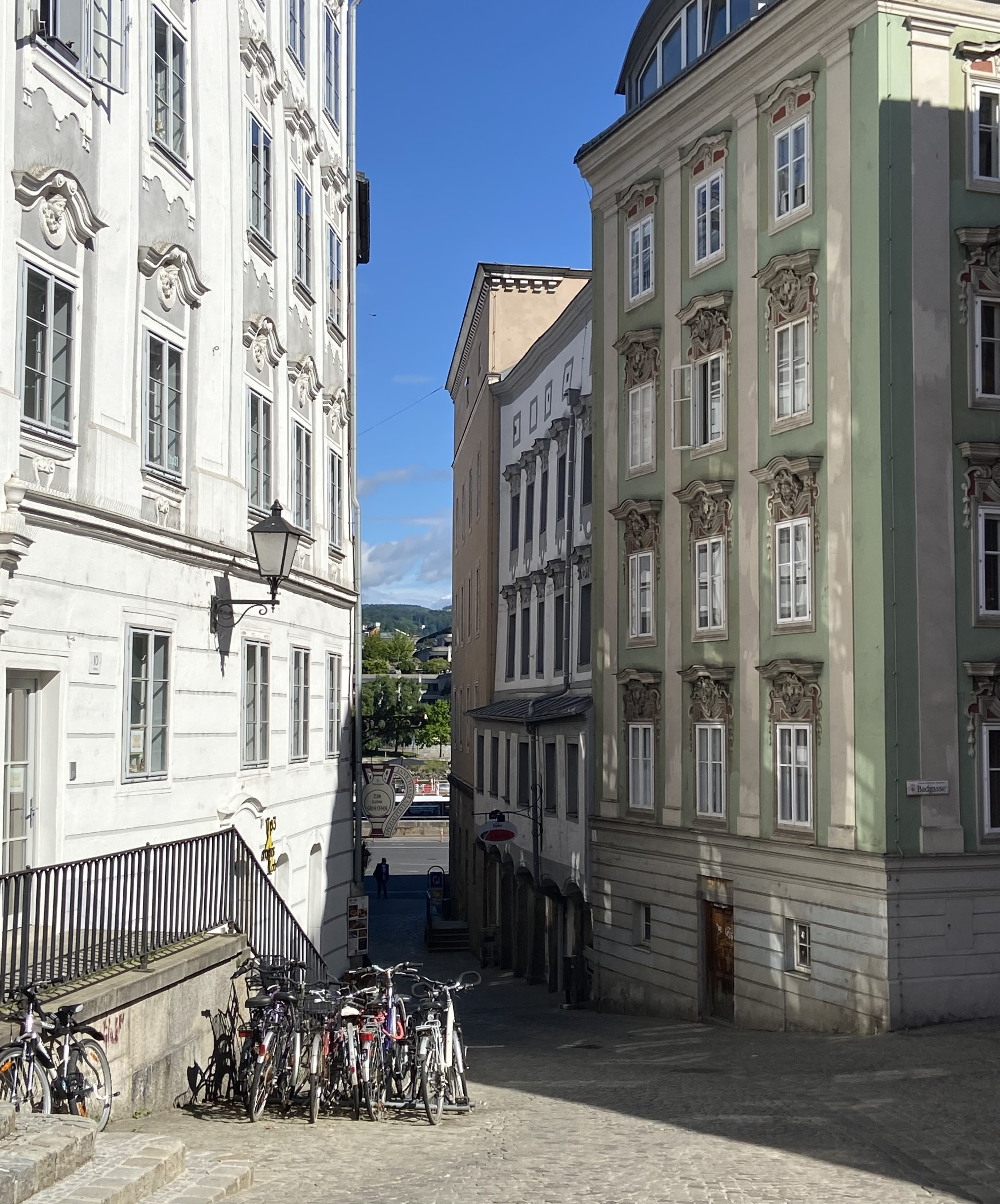
Cathedrals and monuments are often what tourists are shown, but walking around, I find the everyday life of a city interesting. For example, while bicycles are not as prevalent as in Amsterdam, Linz still had quite a few.
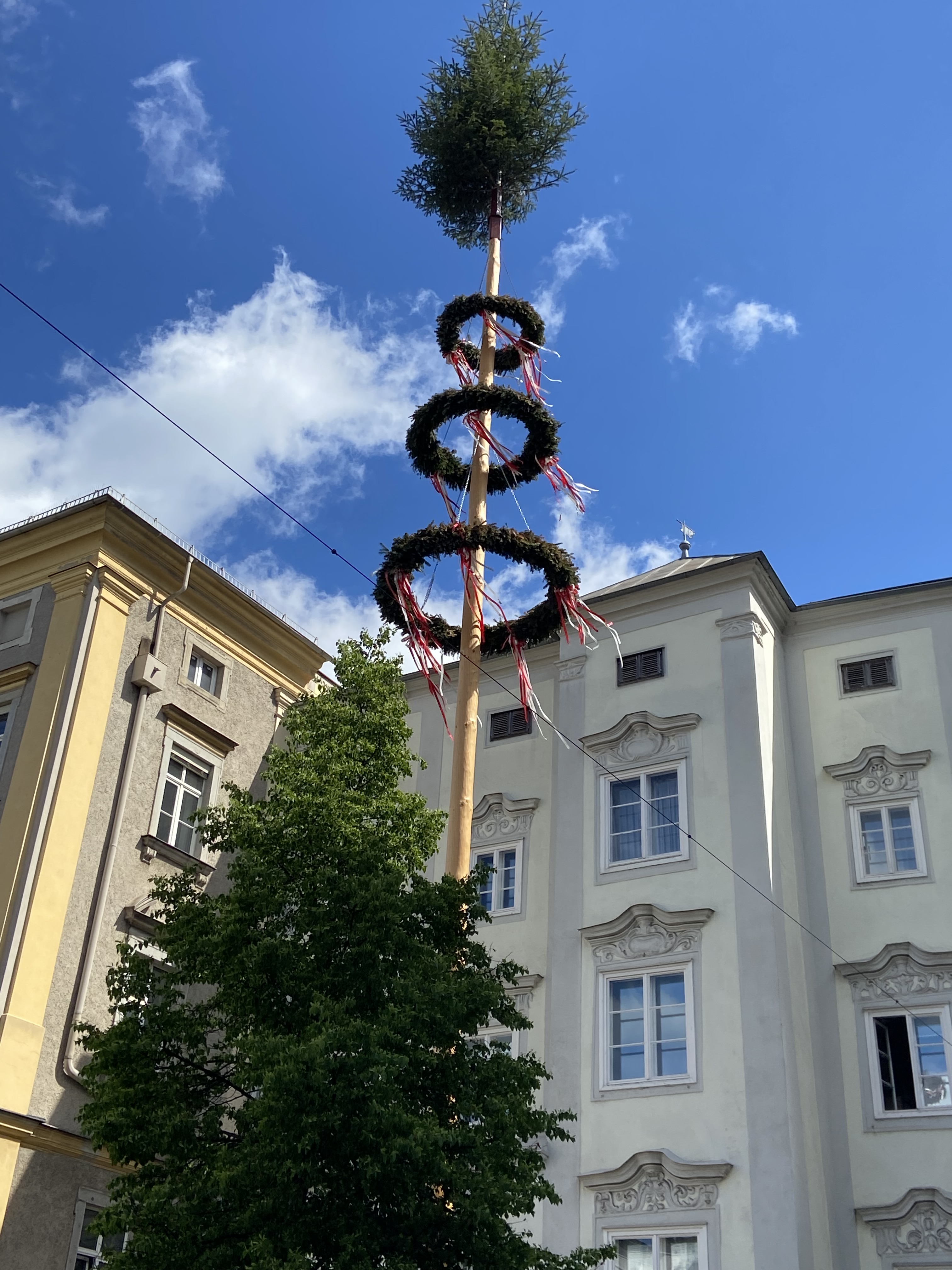
Some of you may be old enough (I barely am) to remember when May Day was celebrated in the United States, especially in elementary schools. Linz was not the only Austrian city with a May Day flagpole, but this was one of the prettiest I saw.
Seeing these May poles that celebrate spring was one of the benefits of being in Austria during the first days of May. The mild, sunny weather was a plus, too.
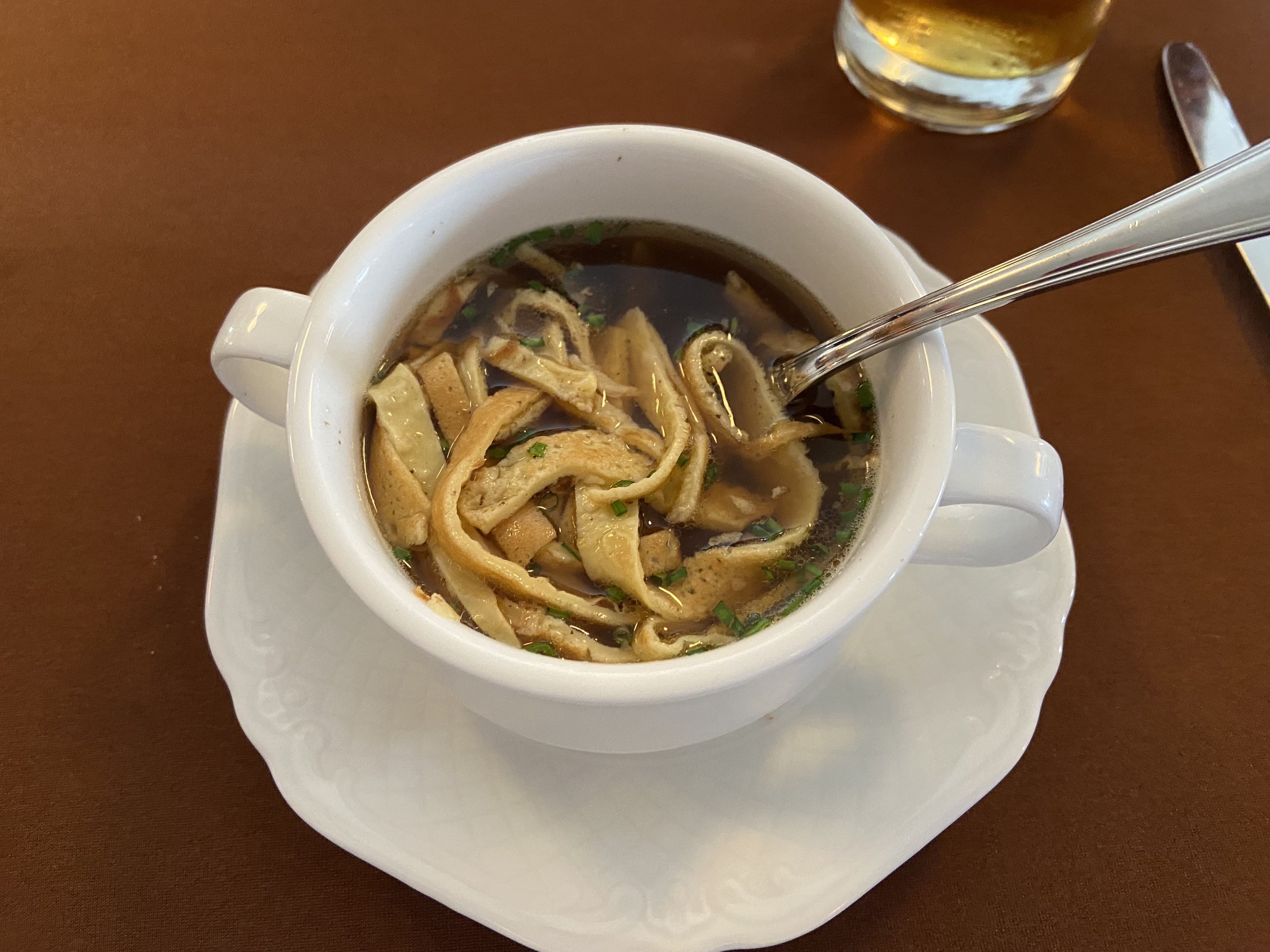
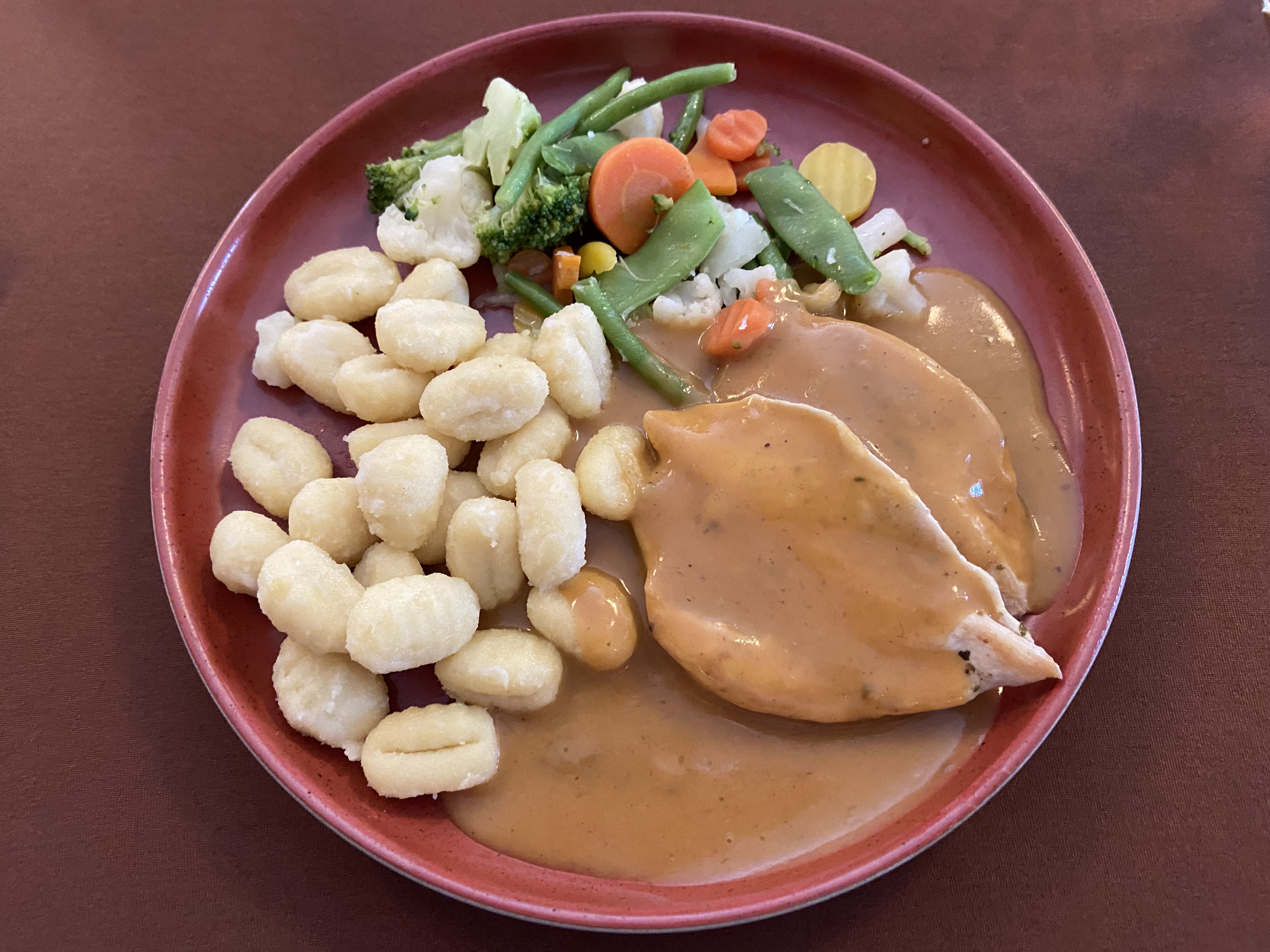
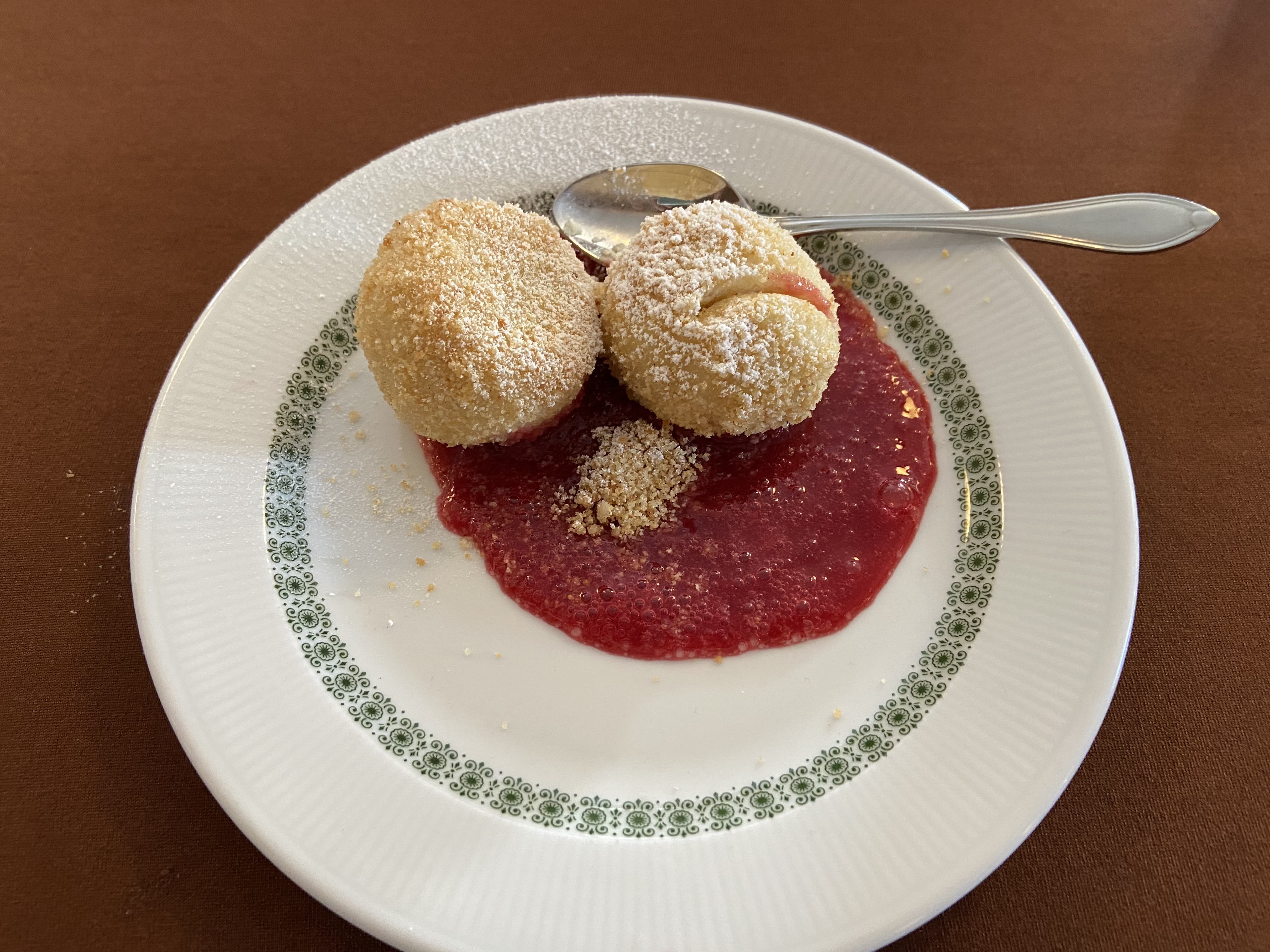
The most enjoyable experience I had in Linz, however, involved food. We were served a typical Austrian lunch: a veal-based soup; a main course of chicken, gnocchi, and mixed vegetables; and a pastry dessert shaped into balls with a cherry sauce.
Of course, all this food had German names, but there was no printed menu I could take home to work on translations. What each course is exactly called doesn’t really matter; it was all delicious. Fortunately, I remembered to take pictures before I dug in.
In my next post, I’ll talk about the two towns we visited in Germany before we ended the trip in Prague. More grand architecture, local culture, and history.